
Tiered Copays: Why Your Generic Drug Might Cost More Than Expected
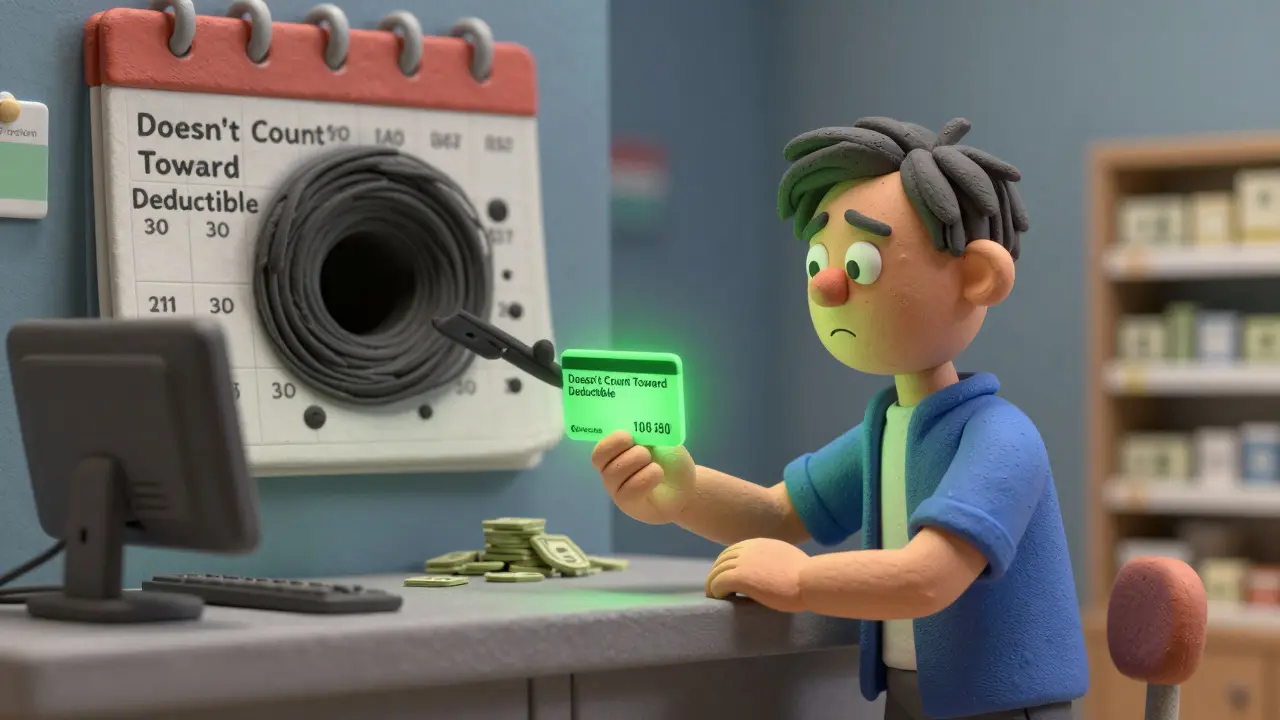
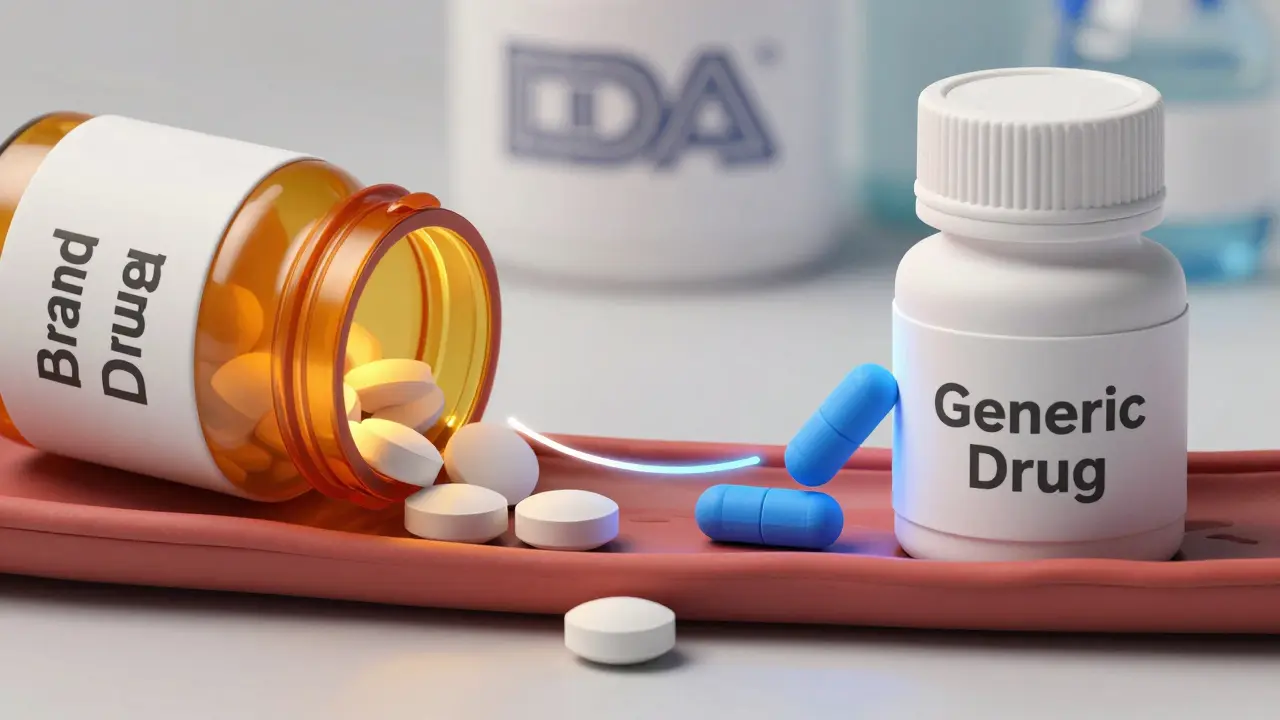
Your generic drug might cost more than the brand name because of how insurers tier medications. It’s not about quality - it’s about rebates. Here’s why and what to do about it.
Epilepsy surgery offers a real chance at seizure freedom for those with drug-resistant epilepsy. Learn who qualifies, what the risks are, and what outcomes patients can expect - backed by current medical guidelines and real-world data.
Human medications are the leading cause of pet poisonings. Learn the key signs of overdose in dogs and cats-from tremors and fever to brown gums-and what to do immediately to save your pet’s life.
Medicare is now negotiating drug prices for the first time, cutting costs by up to 79% on 10 top medications starting in 2026. Here's how it works, who it helps, and what's coming next.
Generic drugs saved $482 billion in the U.S. in 2024 alone, making them the most powerful tool to control rising drug costs. Learn how generics and biosimilars cut spending, why brand drugs remain expensive, and what’s blocking even bigger savings.
Theophylline has a narrow therapeutic window where too little fails and too much kills. Regular blood monitoring is essential to avoid toxicity and ensure effectiveness in asthma and COPD treatment.
Sugar and artificial sweeteners affect hunger differently than you might think. While sweeteners cut calories, they can confuse your brain and increase cravings - especially with long-term use. Here’s what the science says.
Learn the key differences between CAPD and APD home dialysis options. Understand which method suits your lifestyle, health needs, and daily routine for better kidney care management.
Deprescribing safely reduces unnecessary medications to cut side effects, especially in older adults. Learn how frameworks like Shed-MEDS and STOPP/START help doctors and pharmacists cut pill burden without risking health.
Tentative approval from the FDA means a generic drug is scientifically ready - but legal, manufacturing, or market barriers often prevent it from ever reaching patients. Here’s why delays happen and who’s affected.
After polyp removal, your next colonoscopy isn't always five years away. Learn the real guidelines based on polyp type, size, and number to avoid unnecessary procedures and reduce cancer risk.
Crohn's disease and ulcerative colitis are two distinct forms of inflammatory bowel disease with different locations, complications, and treatments. Understanding the differences helps guide diagnosis, care, and long-term outcomes.