

The Science Behind Knowing When to Step Outside
You know that moment when you step out for your morning coffee in Bristol, expecting fresh air, but instead get greeted by a sudden wave of watery eyes and itchy throat. For millions of us dealing with Seasonal Allergic Rhinitis affects roughly 30% of the global population, the difference between a good day and a bad one often comes down to knowing when the air is safe. This is where Pollen ForecastingPollen forecasting predicts airborne pollen concentrations using meteorological models to help allergy sufferers avoid exposure. becomes a vital tool in your daily routine.
Predicting pollen isn't just guessing; it's a sophisticated blend of weather science and biological data. Models like those used by the European Centre for Medium-Range Weather Forecasts (ECMWF) analyze thousands of variables. They look at temperature thresholds, specifically chilling units needed for trees to wake up, and current humidity levels. If the forecast shows high pressure with winds blowing from the east during spring, you can expect a surge in birch or oak pollen before it even hits your street level monitor.
Reading the Pollen Count Scale Like a Pro
One of the biggest hurdles people face is understanding what the numbers actually mean. A Rotorod Technique measures average pollen grains per cubic meter of air collected over 24 hours. standard measurement unit is grains per cubic meter, though many public reports simplify this into color-coded zones. Understanding these distinctions helps you plan better:
- Low (≤50 grains/m³): Generally safe for sensitive individuals. You can garden or run without major fear.
- Moderate (51-149 grains/m³): Caution advised. Sensitive people might need medication beforehand.
- High (150-499 grains/m³): Stay indoors if possible. Symptoms will likely flare up quickly.
- Very High (≥500 grains/m³): Avoid all unnecessary outdoor exposure. This is the equivalent of heavy fog for lungs.
However, numbers alone can be misleading. A report of "Moderate" grass pollen might feel different than "Moderate" weed pollen because of individual sensitivity. That's why checking specific types matters more than the general index. In the UK, during March and April, you need to focus on Tree Pollen counts, as birch and oak trees dominate the landscape. By May, you shift your attention to grasses.
Timing Your Day Around Daily Peaks
Even when a forecast looks grim, there are times of day when the air is safer than others. Pollen follows a predictable rhythm known as diurnal variation. Tree pollen, which is currently relevant for late March in the UK, usually peaks early in the morning between 5 AM and 10 AM. This is after the dew has evaporated, allowing grains to lift off the plants.
In contrast, grass pollen tends to reach its highest concentration around midday, staying elevated until about 4 PM. If you are a runner, scheduling your jog for 7 AM in June might seem smart, but you could actually be running right through the cloud of grass spores. Instead, aim for the window between 7 PM and 9 PM. At night, humidity rises slightly, gravity pulls the heavier grains down to the ground, and wind speeds drop. Studies suggest pollen levels are often 30% to 50% lower during these evening hours compared to the afternoon rush.

Weather Patterns That Change Everything
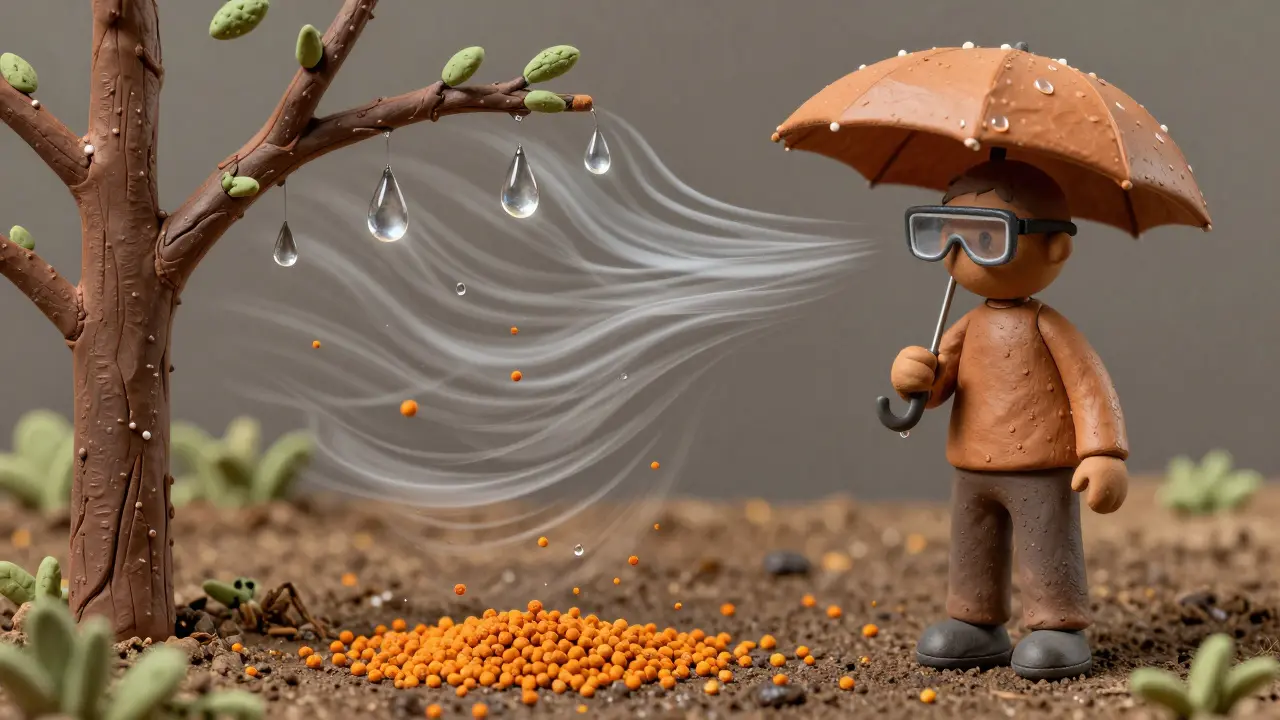
Fair weather doesn't guarantee low pollen; sometimes it does the opposite. Hot, dry days with steady breezes are the perfect recipe for airborne chaos. Winds around 10 mph can increase pollen dispersal by 40%, flinging allergens far from their source plant. Conversely, rain acts as a natural filter. A rainfall event of 0.1 inches typically reduces visible pollen counts by 30% to 50% within two hours.
However, you must watch out for thunderstorms. While rain washes away pollen, rapid changes in atmospheric pressure during storms can rupture pollen grains into tiny fragments. These fragments are small enough to penetrate deep into the lungs, causing severe reactions known as Thunderstorm Asthma. If you see a storm coming, do not assume it will clean the air immediately upon stopping. Wait at least four to six hours post-storm before planning outdoor exercise.
| Condition | Effect on Pollen | Action |
|---|---|---|
| Cold Snap followed by Warmth | Triggers massive release (Spring) | Stay Indoors / Pre-medic | Rainfall | Lowers count for 2-4 hours | Schedule outdoor tasks | Dry Wind (>10mph) | Increases dispersion by 40% | Wear protective mask/glasses | Humidity < 50% | Grains stay airborne longer | Close windows at home |
Tools You Can Trust for Accurate Data
With so many apps available, picking a reliable source can be tough. Free services like Pollen.com offer a broad view with about 75% accuracy, but they lack hyperlocal detail. Their resolution covers a 10km radius, meaning the data might reflect the countryside while you are sitting in a city center park with different flora. Services like BreezoMeter utilize machine learning to provide a 1.5km resolution, offering a much tighter match to your actual location.
The Copernicus Atmosphere Monitoring Service (CAMS) is the gold standard for scientific validation across Europe. It relies on 150 ground monitoring stations and offers forecasts for five primary pollen types with high precision. For residents of the UK who want professional-grade data without the cost, checking CAMS updates directly can save you from relying solely on generalist weather apps that treat pollen as an afterthought.
If you plan your trips based on these forecasts, consistency matters. Cross-referencing two sources-such as combining a mobile app for quick checks and the ECMWF website for deeper trend analysis-is recommended. Users who layer these tools report reducing symptom severity significantly. One study noted a 65% reduction in symptoms among those who strictly adhered to forecast-based activity timing, essentially turning what was once a guesswork situation into a manageable schedule.
Practical Steps for Immediate Relief
Knowing the forecast is step one, but integrating it into your lifestyle makes the difference. Here is a simple protocol for days marked with high pollen risks:
- Pre-medicate: Take antihistamines 30 minutes before stepping outside, especially if the forecast indicates Moderate to High levels.
- Create a buffer zone: Do not hang laundry outside during peak season; drying clothes on them acts like a net catching allergens that you later pull into bed.
- Check the lag time: Pollen from yesterday's windy morning might still be floating around mid-day today. Don't trust today's low reading if yesterday was red.
- Know your local flora: If you live near a large expanse of grass or a stand of pine trees, treat the forecast as a "minimum" baseline. Local density always exceeds regional averages.
There are also specific considerations for athletes. Runners often experience symptoms at noon due to heavy breathing drawing in more allergens. Shifting training to early evening allows lung recovery without the intense pollen load. Dr. Amit Momaya's analysis showed that marathon runners who scheduled training for 7-9 AM during grass season had fewer respiratory symptoms compared to noontime trainers.
Navigating Limitations and Unexpected Spikes
Even the best technology cannot predict everything. The most significant limitation is coverage. While we have great models for grass and tree pollen, systems struggle with weeds. Ragweed, for instance, is notoriously difficult to forecast accurately outside of North America, with only 12% of models tracking it reliably. Additionally, urban microclimates create pockets of high or low pollen that regional models miss. City centers might have half the pollen of a suburban garden due to the concrete jungle effect washing dust out of the air.
Always have a backup plan. Keep windows sealed in your car and home on high-count days. If you find yourself having symptoms despite a "low" forecast, listen to your body. Sometimes a localized disturbance, like someone mowing the lawn next door, causes immediate irritation that no satellite could have seen coming. The goal of using these forecasts is not to eliminate every grain of pollen, which is impossible, but to avoid the overwhelming surges that ruin your day.
Frequently Asked Questions
How long are pollen forecasts accurate?
Current models offer high accuracy (85-90%) for 24-hour forecasts. Predictions extend to 3 days ahead with moderate reliability, but accuracy drops significantly beyond 72 hours due to changing weather patterns affecting pollen release.
What is the difference between pollen count and allergy forecast?
A pollen count measures the physical amount of grains in the air (grains/m³). An allergy forecast combines this data with historical symptom records to predict how likely you are to react, accounting for different sensitivities to grass versus trees.
Does rain clear the air of pollen?
Yes, moderate rainfall typically reduces counts by 30-50% for a few hours. However, dry storms can burst pollen grains into smaller particles that are more dangerous, leading to severe asthma attacks.
Are free pollen apps reliable?
Free apps provide general trends but lack hyperlocal precision. Paid services like BreezoMeter offer 1.5km resolution compared to 10km for free services, making them more useful for specific daily planning.
When is the worst time for grass pollen in the UK?
Grass pollen season typically runs from April to early June, peaking between mid-May and early June. This coincides with warmer temperatures and drier conditions that favor dispersal.


