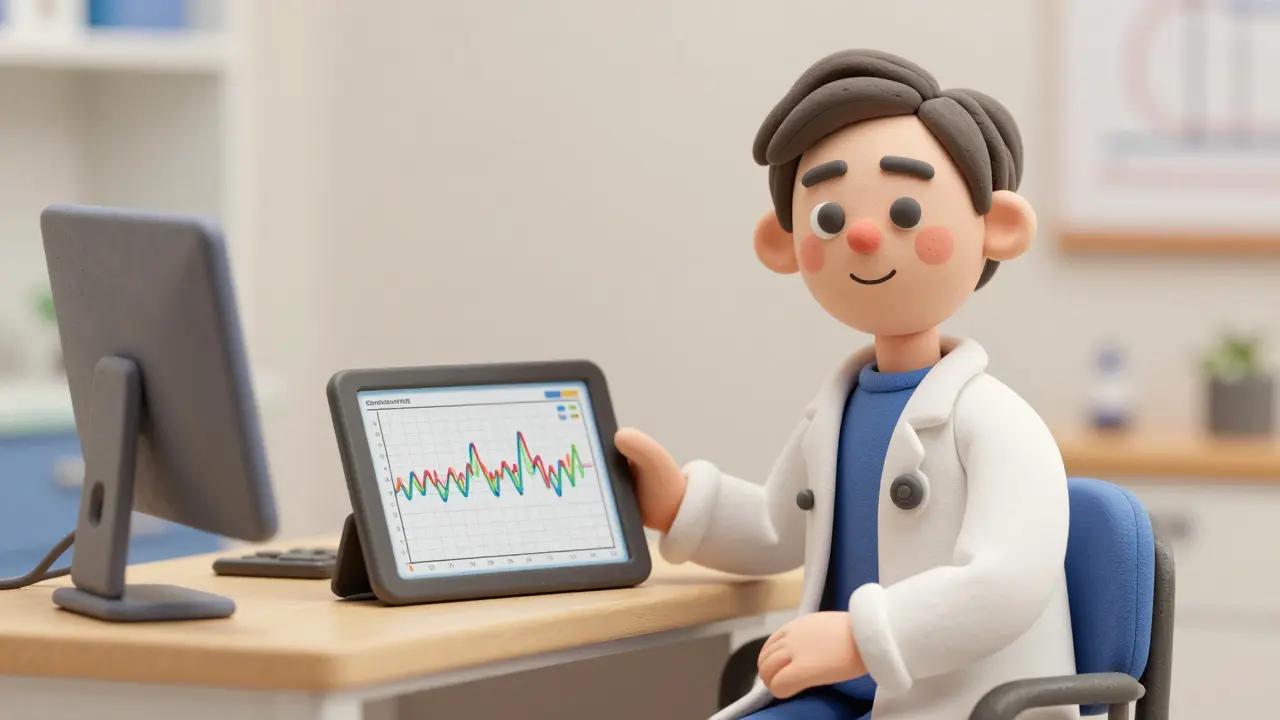
How to Educate Employees About Workplace Wellness Benefits
Stop wasting your wellness budget. Learn how to move from generic emails to personalized education that actually increases employee participation and ROI.
Looking for straightforward info on health, medications, and supplements? You’re in the right place. Whether you want to understand side effects, find dosage tips, or get the latest on diseases, it helps to have reliable facts close at hand. Health isn’t just about feeling okay—it’s knowing what you’re putting into your body and what to expect from it.
Got a prescription like Phexin or Neurontin? It’s smart to know how these meds work, what side effects might pop up, and how to take them safely. For example, Neurontin isn’t just for nerve pain—it can affect people differently, so knowing firsthand advice can save you from surprises.
Take antibiotics like Levaquin or Phexin: they’re powerful, but they carry risks if misused. Knowing when and how to use them protects you from side effects and helps fight infection better. Even simple things like how alcohol interacts with a drug like Omeprazole can make a big difference—mixing them might change how well your medicine works.
Worried about prescription prices? You’re not alone. Many people find ways to pay less by using manufacturer assistance or discount cards. Knowing these tricks can keep your meds affordable without risking your health. Also, understanding conditions like chromosome-positive leukemia or the impact of loneliness on Alzheimer's helps you or your loved ones make smarter lifestyle and treatment choices.
At the end of the day, staying informed about meds, supplements, and health conditions means you take control of your wellness. X-Roids makes it easier by breaking down complex details into simple advice you can trust and use every day.

Stop wasting your wellness budget. Learn how to move from generic emails to personalized education that actually increases employee participation and ROI.
Explore sensorineural hearing loss, the most common cause of permanent deafness. Learn about inner ear damage, symptoms like tinnitus, and effective solutions ranging from hearing aids to cochlear implants.
Navigate international pharmacy laws and find essential medication help abroad. This guide covers prescription regulations, airport security, and emergency health protocols.
Learn how to interpret pollen forecasting data to manage seasonal allergies effectively. Discover daily patterns, weather impacts, and trusted tools for planning outdoor activities safely.
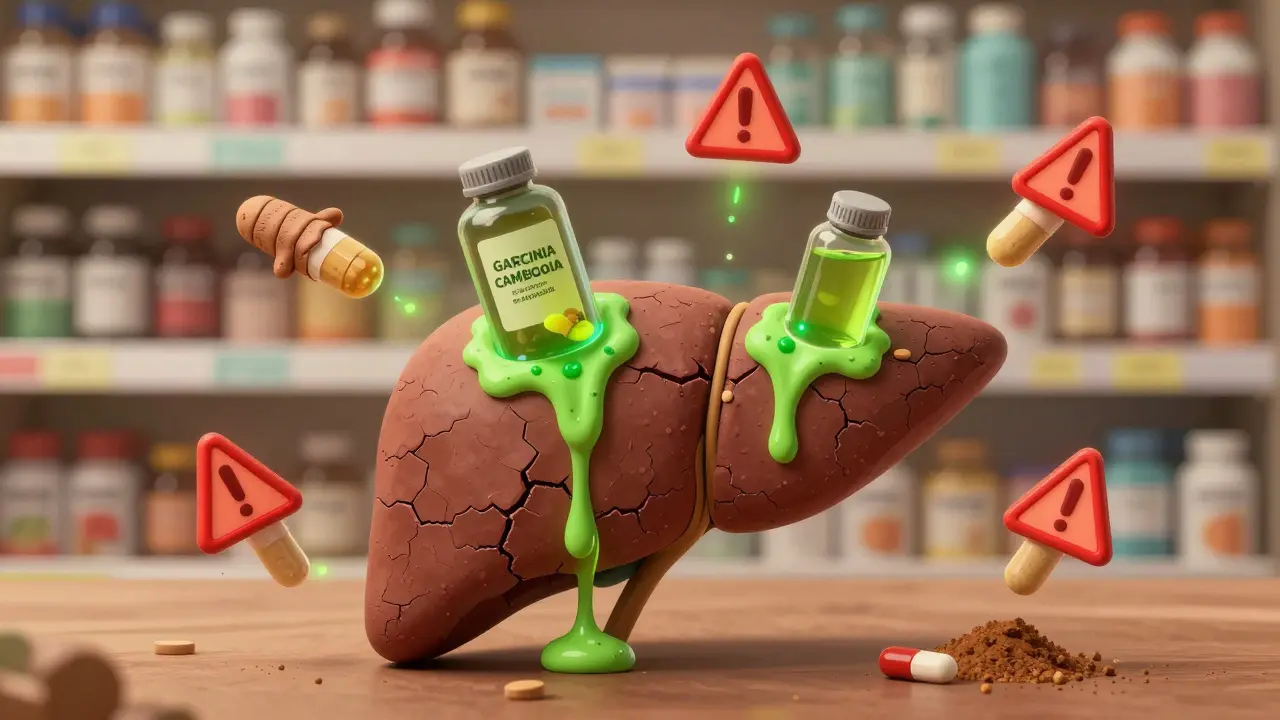
Herbal and dietary supplements can cause serious liver damage, with turmeric, green tea extract, and black cohosh among the top culprits. Learn what to avoid and how to protect your liver from hidden toxins.
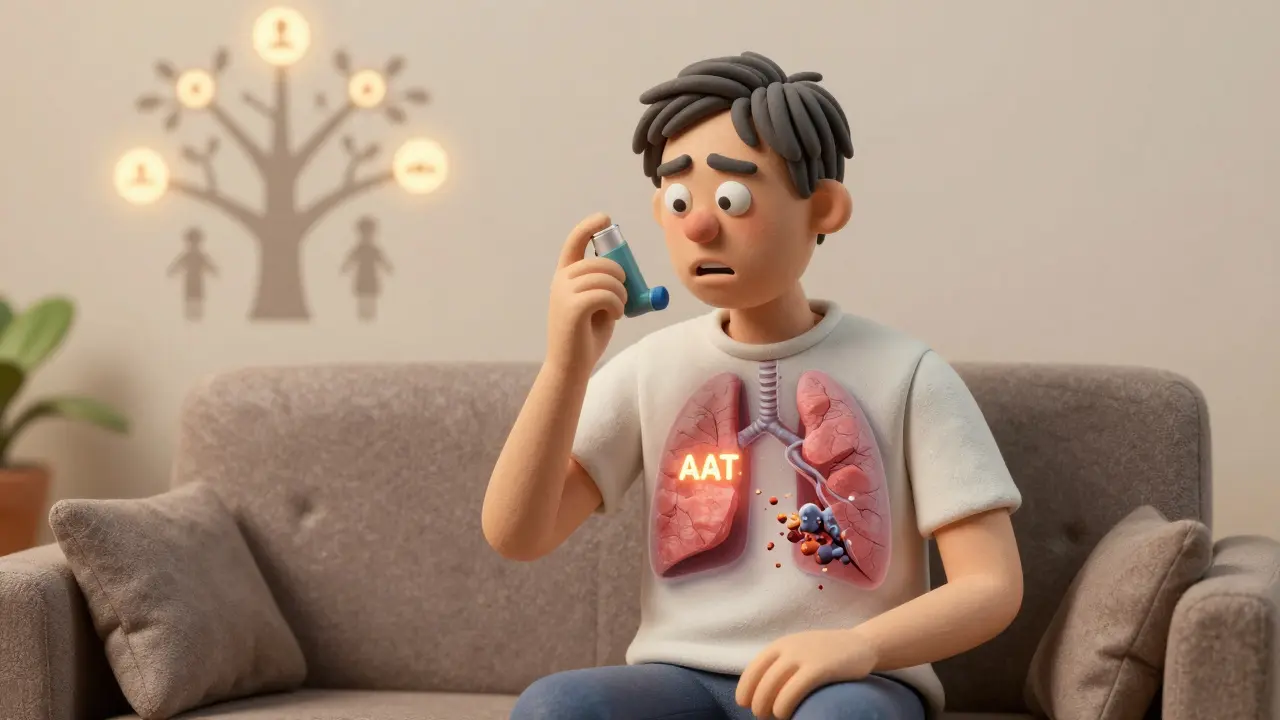
Alpha-1 Antitrypsin Deficiency is a genetic cause of early-onset COPD and liver disease. Learn how it's diagnosed, why it's often missed, and what treatments are available - including the latest therapies that could change outcomes.
Celiac disease is a genetic autoimmune disorder triggered by gluten, causing intestinal damage. The only treatment is a strict lifelong gluten-free diet. New research is exploring therapies to reduce reliance on dietary avoidance.
Noninvasive ventilation and nutrition support are the two most effective ways to extend life and improve daily living for people with ALS. Used together, they can add over a year to survival while preserving quality of life.
Epilepsy surgery offers a real chance at seizure freedom for those with drug-resistant epilepsy. Learn who qualifies, what the risks are, and what outcomes patients can expect - backed by current medical guidelines and real-world data.
Sugar and artificial sweeteners affect hunger differently than you might think. While sweeteners cut calories, they can confuse your brain and increase cravings - especially with long-term use. Here’s what the science says.
Learn the key differences between CAPD and APD home dialysis options. Understand which method suits your lifestyle, health needs, and daily routine for better kidney care management.
After polyp removal, your next colonoscopy isn't always five years away. Learn the real guidelines based on polyp type, size, and number to avoid unnecessary procedures and reduce cancer risk.