Category: Medications - Page 2

27
Jan
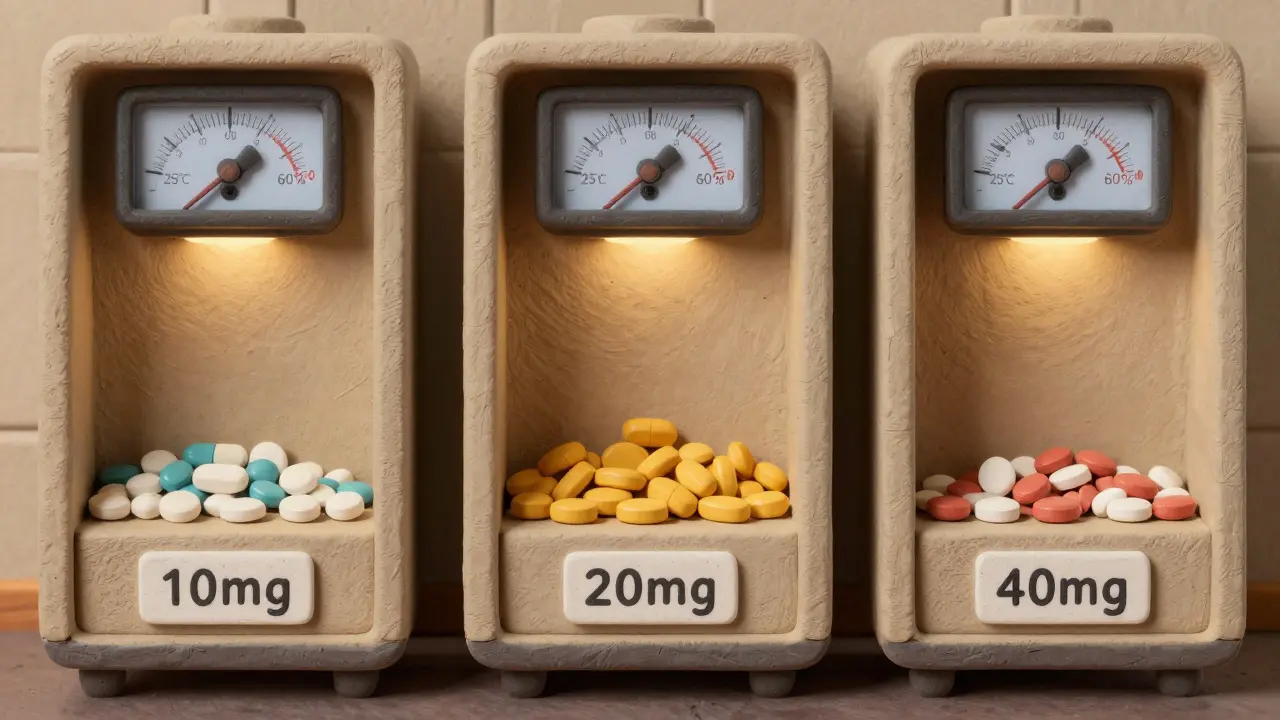
Stability Testing for Generics: FDA Requirements Explained
Medications

Stability Testing for Generics: FDA Requirements Explained

Learn exactly what the FDA requires for stability testing of generic drugs, from batch sizes and storage conditions to common reasons for rejection and how manufacturers are adapting to stricter rules.

26
Jan
Alternative Cholesterol Medications: Ezetimibe and Bempedoic Acid for Statin-Intolerant Patients
Medications

Alternative Cholesterol Medications: Ezetimibe and Bempedoic Acid for Statin-Intolerant Patients

Ezetimibe and bempedoic acid offer proven, non-statin options for lowering LDL cholesterol in people who can't tolerate statins. Both reduce heart risk, with ezetimibe being affordable and bempedoic acid offering proven cardiovascular benefits.

24
Jan
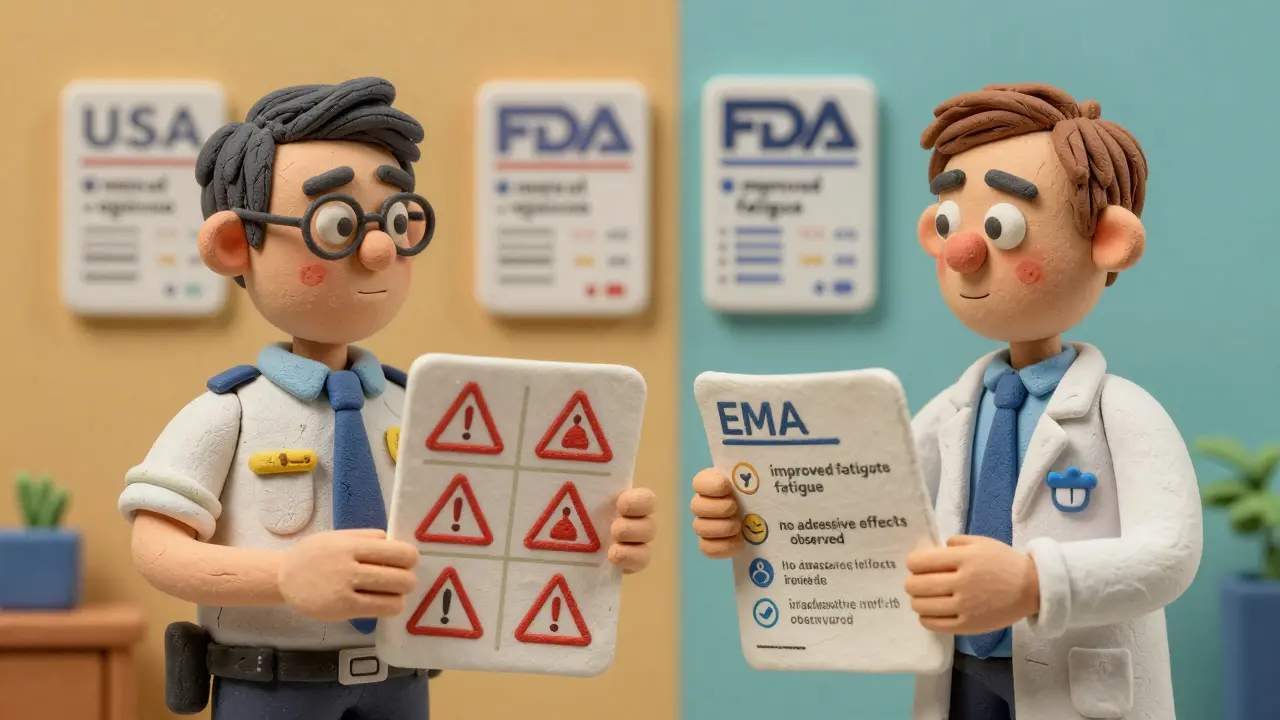
EMA vs FDA Drug Labeling: Key Differences That Impact Global Drug Access
Medications

EMA vs FDA Drug Labeling: Key Differences That Impact Global Drug Access

The FDA and EMA often approve the same drugs but with different labels due to contrasting legal frameworks, risk tolerance, and patient communication styles. These differences impact access, safety, and costs worldwide.

23
Jan
UK Substitution Laws: How NHS Policies on Generic Medicines and Care Shifts Affect You
Medications

UK Substitution Laws: How NHS Policies on Generic Medicines and Care Shifts Affect You

UK NHS substitution laws now require pharmacies to use generic medicines by default and shift care from hospitals to community settings. Learn how these 2025 changes affect prescriptions, access, and safety - and what you can do about it.

22
Jan
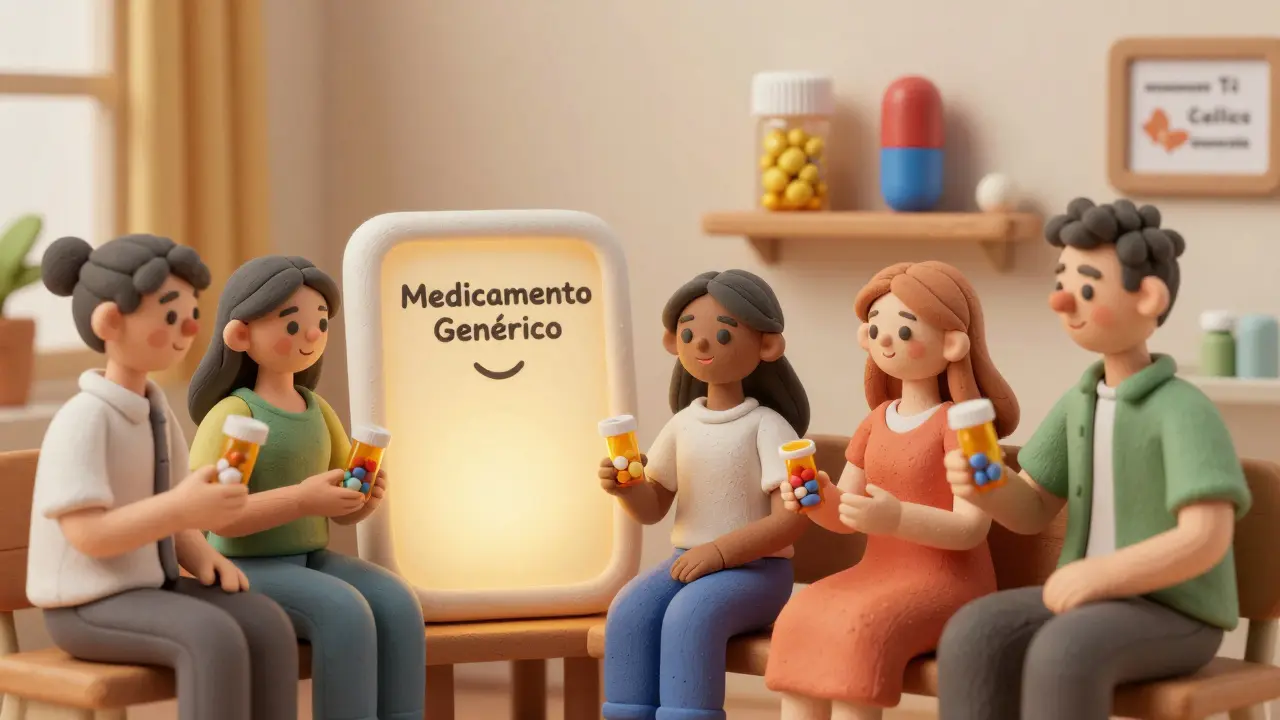
Spanish-Language Resources on Generic Medications for Patient Education
Medications

Spanish-Language Resources on Generic Medications for Patient Education

Spanish-language resources on generic medications help patients understand that cheaper pills are just as effective. Learn which tools work, why visuals matter, and how to build trust in bilingual care.

20
Jan
Generic Drug Approval Standards: Safety, Quality, and Strength Requirements
Medications

Generic Drug Approval Standards: Safety, Quality, and Strength Requirements

Generic drugs must meet the same safety, quality, and strength standards as brand-name drugs under FDA regulations. Learn how bioequivalence testing, manufacturing rules, and complex product challenges shape approval.

19
Jan
Rhabdomyolysis from Medication Interactions: What You Need to Know About Muscle Breakdown Emergencies
Medications

Rhabdomyolysis from Medication Interactions: What You Need to Know About Muscle Breakdown Emergencies

Rhabdomyolysis from medication interactions is a life-threatening condition where muscle tissue breaks down, risking kidney failure. Statins combined with antibiotics or other drugs are the most common cause. Know the signs, ask about risks, and act fast if your urine turns dark.

16
Jan
How to Tell a Side Effect from a True Drug Allergy
Medications

How to Tell a Side Effect from a True Drug Allergy

Learn how to tell the difference between a drug side effect and a true allergy-why mixing them up can harm your health and limit your treatment options. Based on the latest medical guidelines and real patient data.

14
Jan
Drug Allergy Skin Testing Explained for Patients
Medications

Drug Allergy Skin Testing Explained for Patients

Drug allergy skin testing helps determine if you're truly allergic to medications like penicillin. Most people labeled allergic aren't-testing can safely remove unnecessary restrictions and improve treatment options.

13
Jan
Generic Drug Classifications: Types and Categories Explained
Medications

Generic Drug Classifications: Types and Categories Explained

Understand how generic drugs are classified by therapeutic use, mechanism, legal status, insurance tiers, and global standards. Learn why these systems matter for your prescriptions and healthcare costs.

10
Jan
Vilazodone and Diarrhea: How to Adjust to GI Side Effects
Medications

Vilazodone and Diarrhea: How to Adjust to GI Side Effects

Vilazodone (Viibryd) commonly causes diarrhea in 28% of users, but most cases resolve within 1-2 weeks. Learn how taking it with food, adjusting your diet, and slowing your dose increase can help you manage GI side effects and stay on treatment.

8
Jan
How to Prepare for Pediatric Procedures with Pre-Op Medications: A Step-by-Step Guide
Medications

How to Prepare for Pediatric Procedures with Pre-Op Medications: A Step-by-Step Guide

Learn how to safely prepare your child for surgery with pre-op medications. Get clear guidelines on fasting, sedatives like midazolam and ketamine, special cases for asthma or seizures, and how to avoid common mistakes.