Medication Safety: Avoid Dangerous Interactions and Protect Your Health
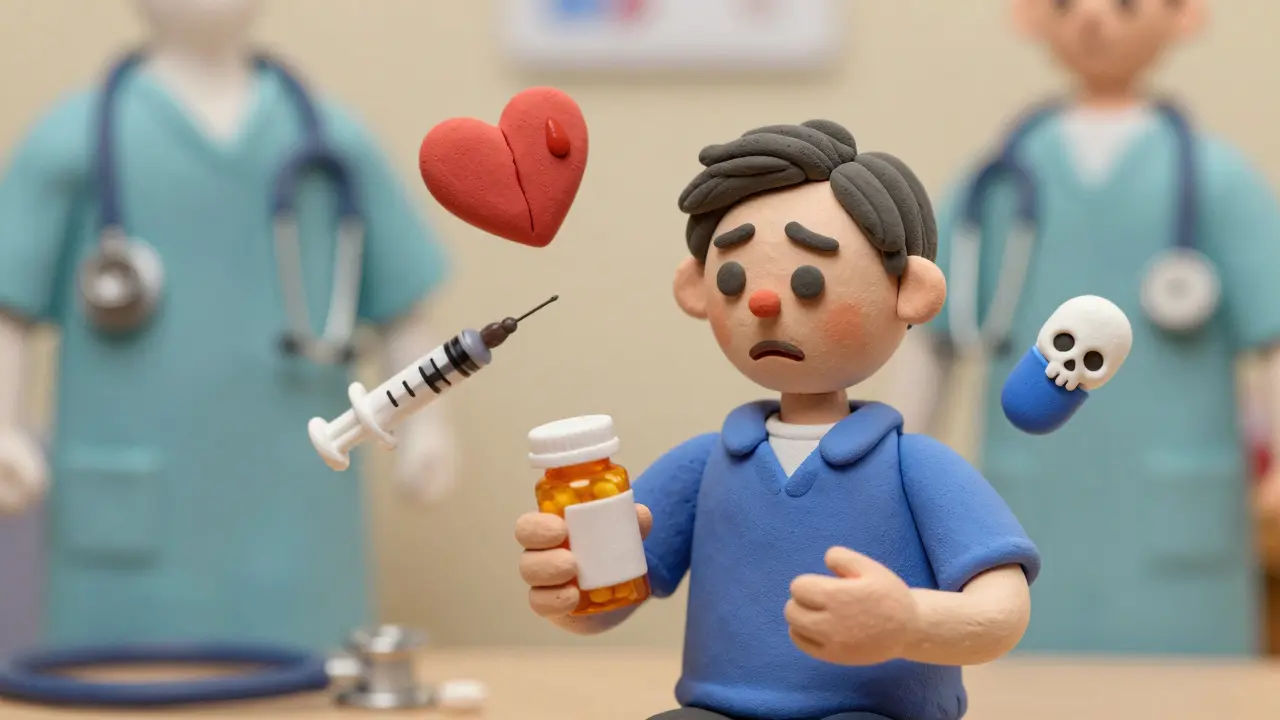
When you take a medication, a substance used to treat, cure, or prevent disease. Also known as pharmaceutical, it works because of precise chemistry—but that same precision makes it dangerous if used wrong. Medication safety isn’t about following instructions blindly. It’s about understanding how your body reacts, what else you’re taking, and who’s handing you the pills. A single wrong drug combination can send you to the ER. A simple misread label can kill. And most of these mistakes? They’re completely preventable.
One major threat is drug interactions, when two or more substances change how each other works in your body. Grapefruit can turn your blood pressure med into a poison. Quercetin supplements can jam the liver’s ability to break down other drugs, causing toxic buildup. Even something as simple as eating a high-protein meal can block your Parkinson’s medication from working. These aren’t rare edge cases—they happen every day. Then there’s adverse drug reactions, harmful, unintended effects from a medication at normal doses. Anaphylaxis, skin tearing like Stevens-Johnson Syndrome, or sudden kidney failure from ACE inhibitors in people with renal artery stenosis—these aren’t side effects you ignore. They’re emergencies. And they’re often missed because patients don’t know what to watch for.
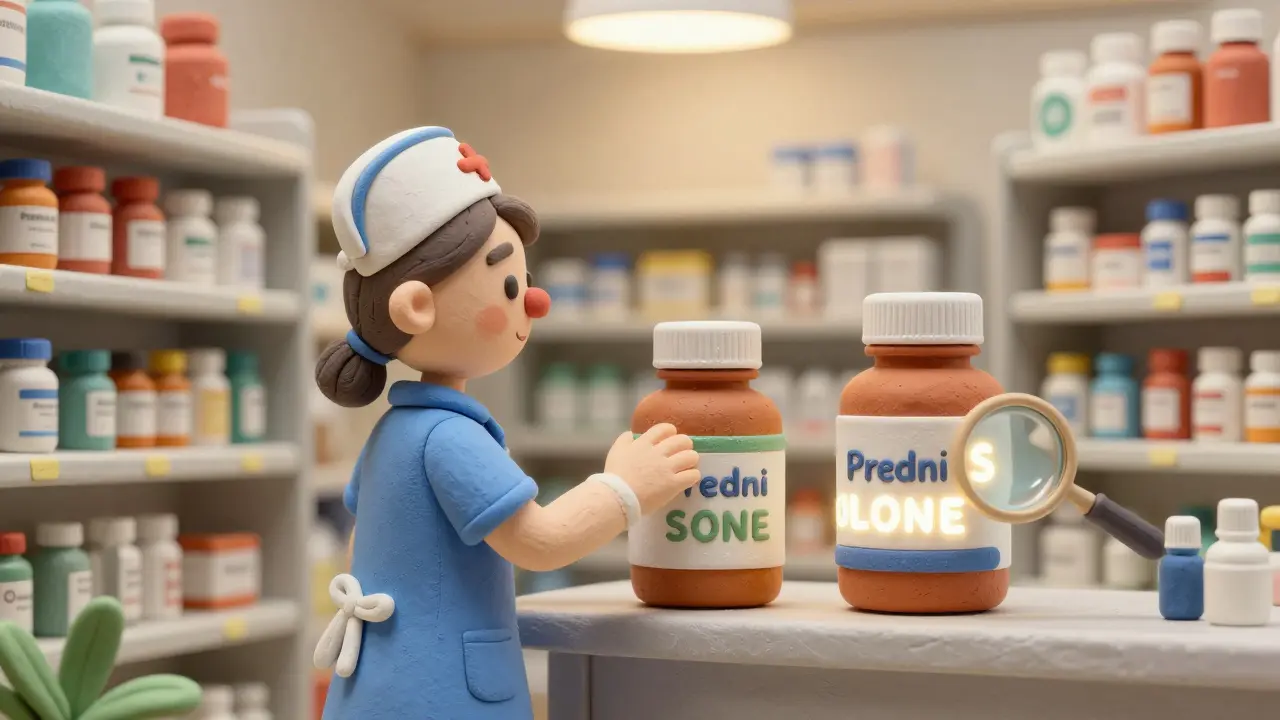
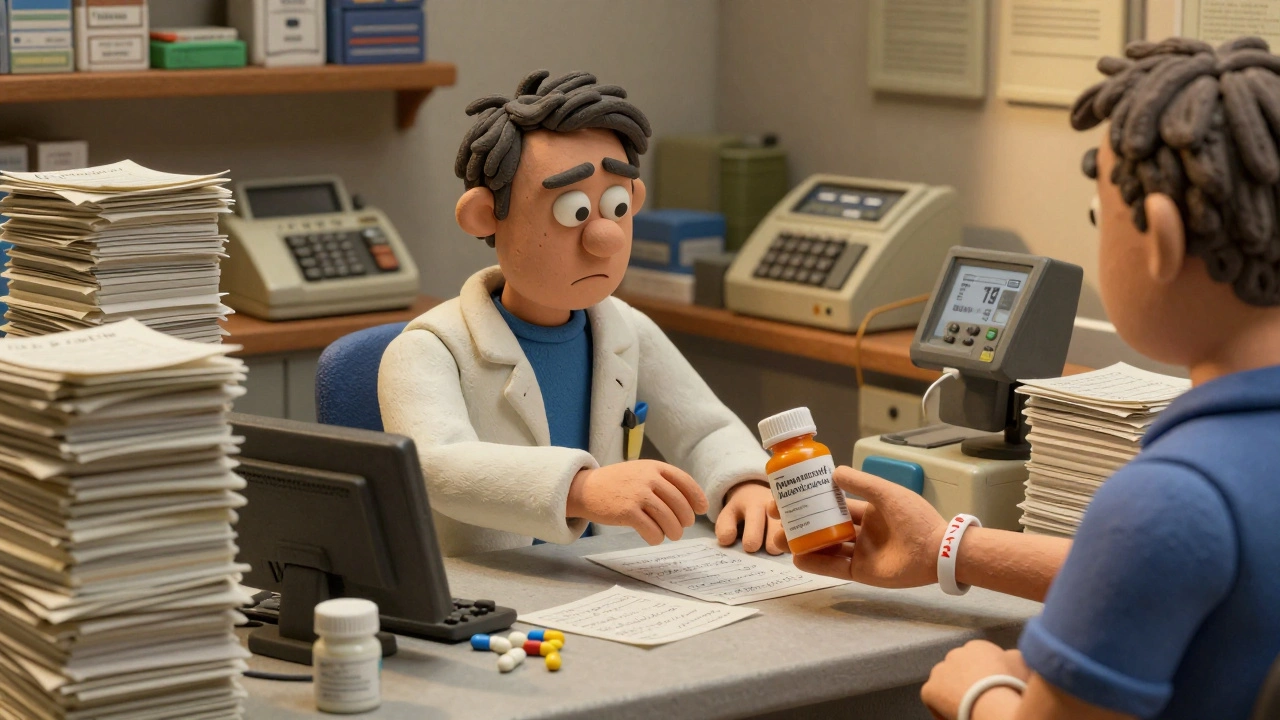
It’s not just what’s in the pill. It’s who’s giving it to you. pharmacy errors, mistakes made during dispensing, labeling, or verifying prescriptions happen more than you think. Wrong-patient errors? They’re not sci-fi. They’re real. A senior gets someone else’s warfarin. A child gets an adult dose of lithium. These aren’t glitches—they’re systemic failures. And they’re made worse when patients don’t know how to ask the right questions. Did they check your allergies? Did they confirm your full list of meds? Did they explain how to take it with food—or avoid food entirely?
Then there’s therapeutic monitoring, tracking drug levels in your blood to ensure they’re safe and effective. Lithium? One tiny spike and you’re in the hospital. Warfarin? Your INR needs checking every few weeks. Even generics can behave differently—especially with narrow therapeutic index drugs. You can’t just assume "same dose, same result." Your body isn’t a factory line.
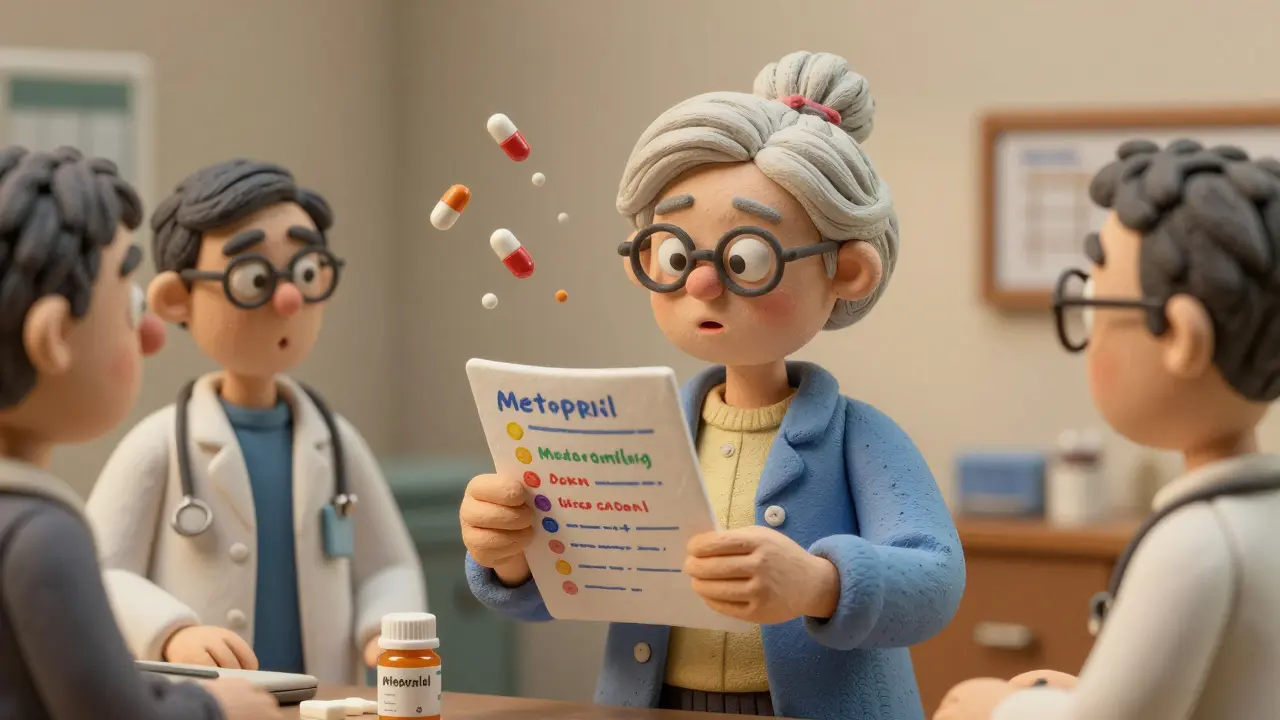
Medication safety isn’t a checklist. It’s a habit. It’s knowing your meds by name and purpose. It’s asking your pharmacist to walk you through each one. It’s telling your doctor about every supplement, herb, or over-the-counter pill you take—even if you think it’s harmless. It’s recognizing the signs of trouble before it’s too late. The posts below show you exactly how these risks play out in real life: from how grapefruit ruins immunosuppressants, to why some generics can’t be swapped without testing, to how family members can step in to catch errors before they happen. You’re not alone in this. But you have to be the one to speak up.