
Every year, hundreds of thousands of people in the U.S. are prescribed opioids for pain. For many, these drugs work - but for too many, they lead to addiction, overdose, or even death. In the 12 months ending June 2025, 108,300 people died from drug overdoses, and synthetic opioids like fentanyl were involved in 86% of those cases. The good news? We now have clear, evidence-based ways to reduce these risks without leaving people in pain. The key is smarter prescribing, better tools, and using opioids only when absolutely necessary.
When Opioids Are Necessary - and When They’re Not
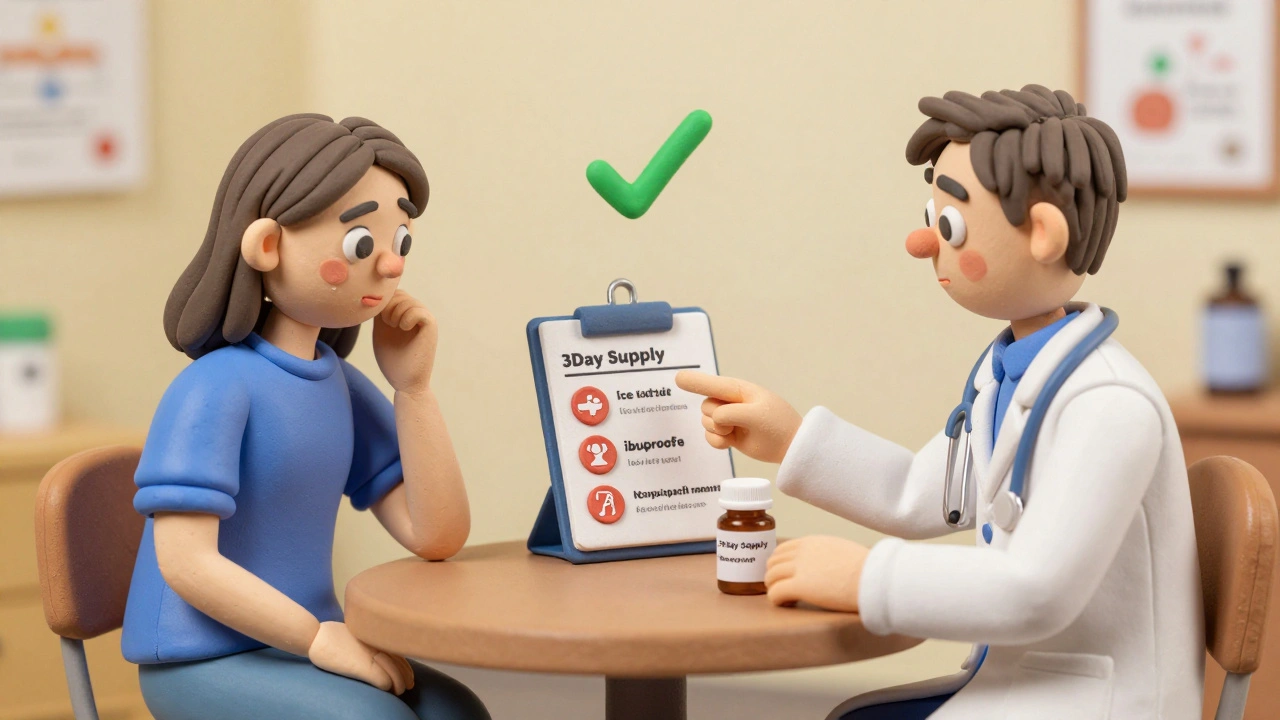
Opioids aren’t evil drugs. They’re powerful tools for severe pain - like after major surgery, during cancer treatment, or at the end of life. But for most everyday pain - a sprained ankle, a bad back, or dental work - they’re rarely the best choice. The 2025 CDC guidelines now say: for acute pain, start with no more than a three-day supply. That’s it. Seven days is only allowed if your doctor documents a clear medical reason. This change isn’t arbitrary. A University of Michigan study found that every extra day of opioids after the third day increases the chance of long-term use by 20%.Doctors who followed this rule saw a 35% drop in patients who ended up using opioids long after their injury healed. But it’s not just about cutting pills. It’s about replacing them. Non-opioid options like ibuprofen, acetaminophen, ice, physical therapy, and even cognitive behavioral therapy often work just as well - and without the risk of addiction.
The 50 MME and 90 MME Thresholds You Need to Know
Morphine milligram equivalents (MME) are how doctors measure opioid doses to compare different drugs. It’s not about the number of pills - it’s about how strong they are. The 2025 CDC guidelines set two critical warning signs:- At 50 MME per day, your risk of overdose jumps 2.8 times compared to lower doses.
- At 90 MME per day, the risk becomes dangerously high. This dose should only be used in rare cases - like active cancer or palliative care - and only with full documentation and specialist oversight.
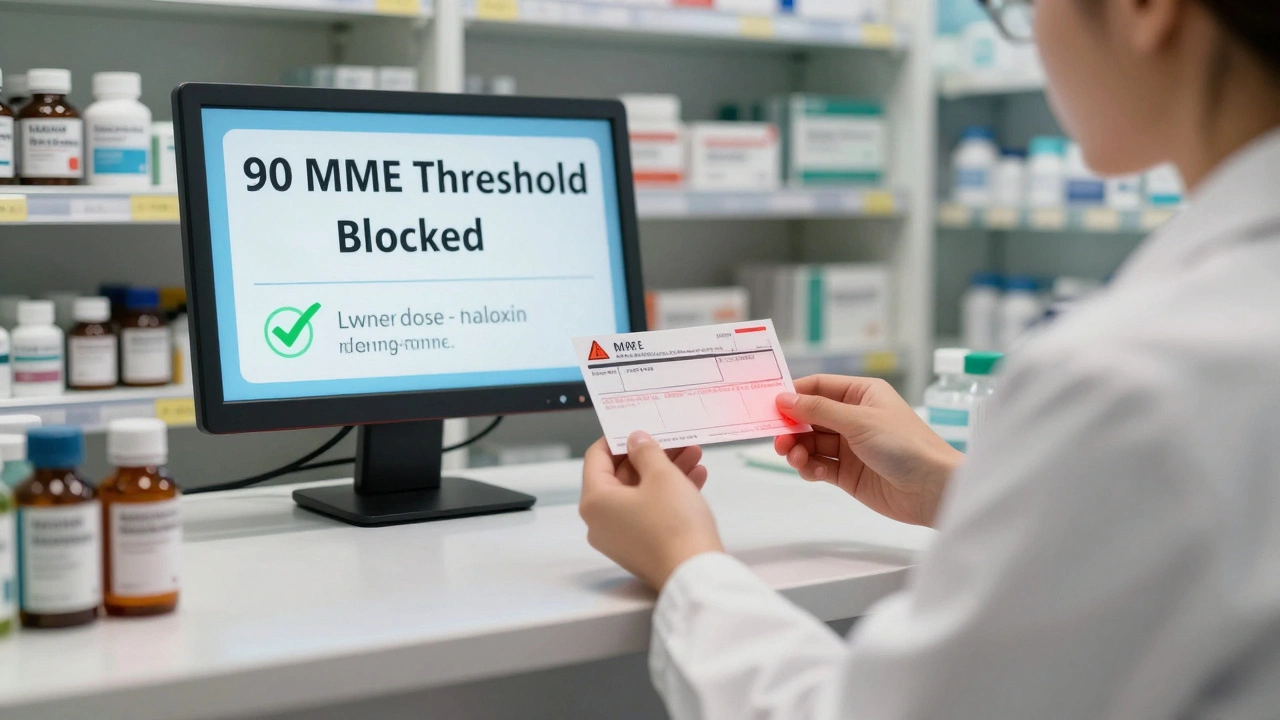
These aren’t arbitrary numbers. Data from the FDA’s 2025 labeling updates show that for every additional 20 MME above 50, overdose risk rises by 1.7 times. That’s why CMS now blocks pharmacies from filling prescriptions that push a patient over 90 MME per day unless the prescriber overrides it with a special note. It’s a hard safety edit - built into the system - to stop dangerous combinations before they happen.
What the Guidelines Really Say About Tapering
A lot of people assume the solution to opioid risks is to just stop them cold. That’s wrong - and dangerous. The FDA’s 2025 labeling update explicitly warns against rapid or abrupt discontinuation. Why? Because it can trigger severe withdrawal, uncontrolled pain, and even suicide. A 2024 study found a 23% increase in suicide attempts among patients whose opioids were cut too fast.That’s why tapering has to be slow, patient-centered, and monitored. If someone’s been on opioids for years and is stable, suddenly cutting them off isn’t safety - it’s harm. The goal isn’t to eliminate all opioids. It’s to use them safely, and only when they’re truly needed. For patients on high doses, the right move might be to add non-opioid therapies, reduce the dose gradually over months, and connect them with pain specialists - not just cut the script.
How Doctors Are Checking for Risk - and What You Should Ask
Doctors aren’t just guessing who’s at risk. Tools like the Opioid Risk Tool (ORT) and SOAPP help identify who might be vulnerable to misuse. A score under 4 means low risk. Between 4 and 7? Moderate. Above 8? High risk - opioids should be avoided unless an addiction specialist is involved.But tools only work if they’re used. That’s why the CDC recommends checking your state’s Prescription Drug Monitoring Program (PDMP) before prescribing. It shows if you’ve been getting opioids from other doctors - a red flag for misuse. Studies show this step cuts overlapping prescriptions by 37%. Still, many practices skip it because it adds 2.5 minutes per visit. That’s the real barrier - time, not knowledge.
As a patient, ask: “Is this the lowest effective dose? Are we trying non-opioid options first? Will you check the PDMP before writing this?” If your doctor doesn’t know what MME means or hasn’t mentioned alternatives, it’s time to have a different conversation.
What’s Changing in 2025 - and Why It Matters
This isn’t just theory. Real changes are happening right now:- Every opioid prescription label now includes a warning that 12.7% of long-term users develop a serious opioid use disorder.
- Medicare Part D pharmacies are required to block initial opioid fills beyond three days - unless overridden with documentation.
- Over 87% of insurers have already set up these safety edits.
- States like Massachusetts now require quarterly urine drug screens for patients on 50 MME or more.
- Hospitals must have standardized pain assessments and risk tools in place by the end of 2025.
The result? States that fully adopted these rules saw a 28% drop in opioid-related hospitalizations. Dental opioid prescriptions fell by 63% compared to 2024. That’s not just numbers - it’s people avoiding addiction.
The Hidden Cost: When Safety Becomes a Barrier
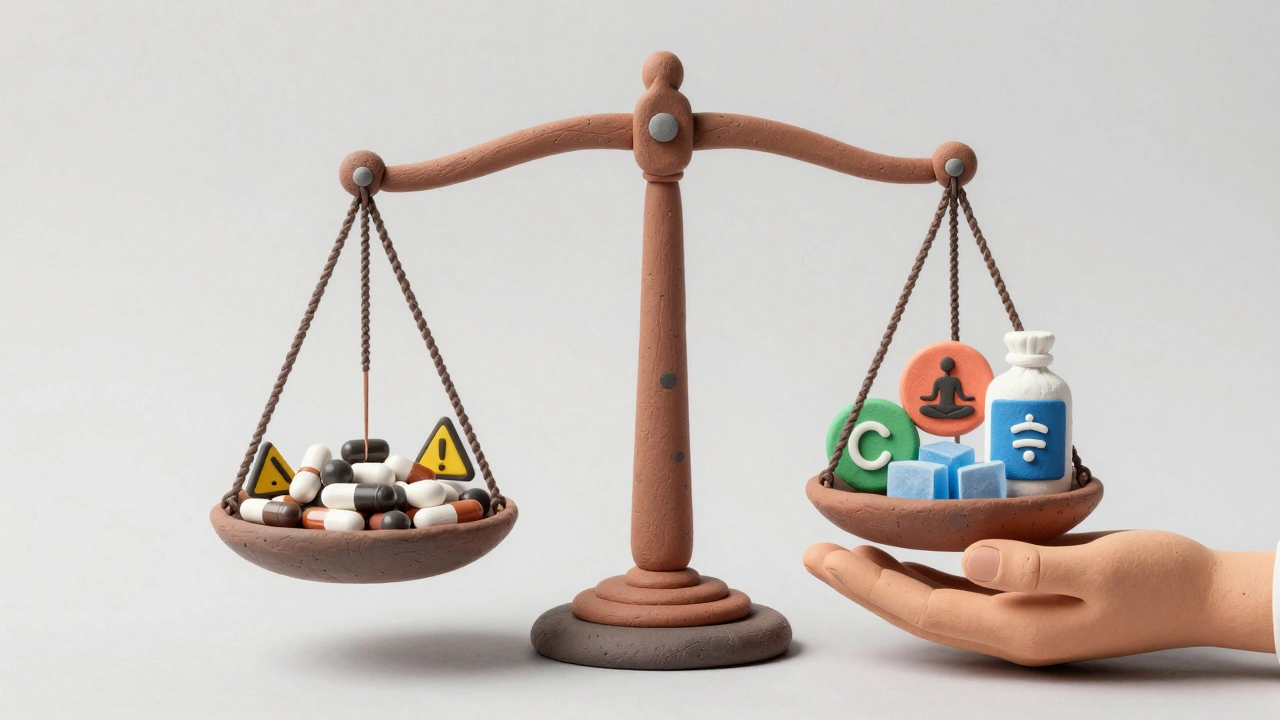
But it’s not perfect. Some patients are getting caught in the crossfire. A survey by the U.S. Pain Foundation found that 7-10% of long-term opioid users had their medications cut abruptly - leading to pain crises and emergency room visits. Doctors, especially in small practices, are overwhelmed. The extra documentation needed for doses over 50 MME adds 2-3 hours per week to their workload. And in rural areas, there’s a shortage of 12,500 pain specialists to help manage complex cases.The challenge isn’t just about rules - it’s about resources. Practices with on-site physical therapy, mental health support, and pain clinics cut opioid use by 40-50% without worsening pain outcomes. But most clinics don’t have those services. That’s why the NIH is investing $125 million in new non-addictive pain treatments. The goal by 2027? To manage 65% of acute pain without opioids at all.
What You Can Do Right Now
If you’re prescribed opioids:- Ask for the lowest dose for the shortest time.
- Ask about non-opioid options - NSAIDs, heat, ice, stretching, therapy.
- Never share your pills. Keep them locked up.
- Dispose of unused pills at a pharmacy drop box - don’t flush them.
- Know the signs of overdose: slow breathing, blue lips, unresponsiveness. Naloxone saves lives - ask your doctor for a prescription.
If you’re managing chronic pain:
- Don’t assume opioids are the only option. Ask about nerve blocks, acupuncture, or cognitive behavioral therapy.
- Track your pain and function - not just your pill count.
- Find a provider who listens. If you feel rushed or dismissed, find another.
The goal isn’t to eliminate opioids - it’s to use them wisely. Pain is real. So is the risk. The safest path isn’t the one with the most pills - it’s the one with the most thoughtful care.
What is the maximum safe opioid dose per day in 2025?
There is no absolute "safe" dose, but the CDC and FDA strongly advise against doses of 90 morphine milligram equivalents (MME) per day or higher for non-cancer pain. At this level, overdose risk increases dramatically. Doses above 50 MME per day require close monitoring, frequent reassessment, and documentation of benefits versus risks. These thresholds are based on data showing a 2.8 times higher overdose risk at 50 MME and a 1.7 times higher risk for every additional 20 MME above that level.
How long should opioid prescriptions last for acute pain?
As of 2025, CDC and CMS guidelines recommend limiting initial opioid prescriptions for acute pain to no more than three days. A seven-day supply is only permitted if the prescriber documents a specific clinical reason - such as major surgery or trauma - and explains why a shorter course isn’t sufficient. This change was made because research shows each extra day beyond three increases the chance of long-term opioid use by 20%.
Can I be abruptly taken off my opioid medication?
No. The FDA explicitly warns against rapidly reducing or abruptly stopping opioids, especially after long-term use. Doing so can cause severe withdrawal, uncontrolled pain, depression, and even suicide. If a change in treatment is needed, it should be done slowly and with support - ideally through a tapering plan developed with your doctor. Sudden discontinuation is considered a medical risk, not a safety measure.
What are non-opioid alternatives for pain management?
Effective non-opioid options include NSAIDs like ibuprofen or naproxen, acetaminophen, physical therapy, heat or ice therapy, cognitive behavioral therapy (CBT), acupuncture, nerve blocks, and topical pain relievers. For chronic pain, interventional procedures like spinal cord stimulation or radiofrequency ablation may be options. Studies show that clinics offering these alternatives reduce opioid prescribing by 40-50% without worsening pain control.
How do I know if my doctor is following the latest opioid safety guidelines?
Ask if they check your state’s Prescription Drug Monitoring Program (PDMP) before prescribing, if they use a risk assessment tool like the Opioid Risk Tool (ORT), and if they’ve discussed non-opioid options. They should also be able to explain your dose in morphine milligram equivalents (MME) and why it’s appropriate. If they can’t answer these questions clearly, it may be time to seek a second opinion from a provider trained in modern pain management.
What’s Next for Pain Management?
The future of pain care isn’t about more opioids - it’s about better tools. The NIH is funding new non-addictive medications, including CBD-based therapies and targeted nerve blockers. Telehealth is making pain specialists more accessible, even in rural areas. And insurance companies are finally covering physical therapy and mental health services for pain - not just pills.The real win? When patients get the relief they need without the risk. That’s the balance we’re finally learning to strike - not by denying care, but by delivering it smarter.


