
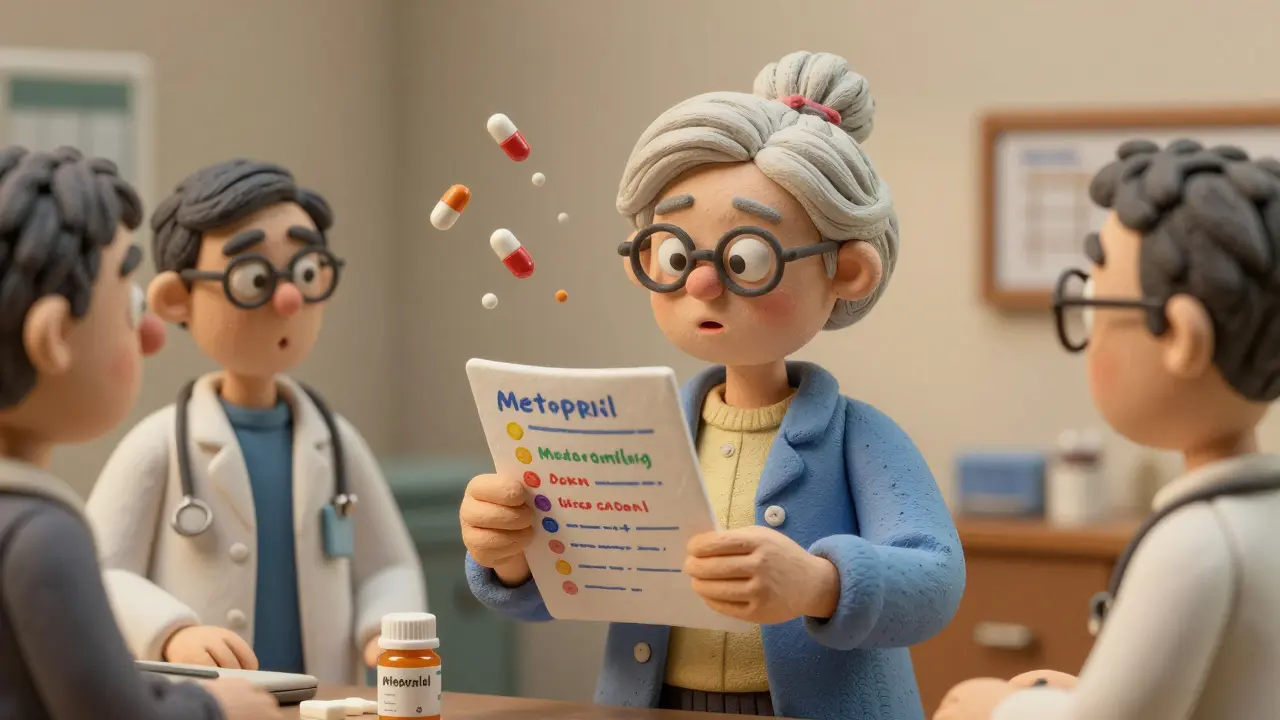
Every year, thousands of older adults in the UK end up in hospital because they’re taking two pills that do the same thing. Not because their doctors made a mistake - but because no one had the full picture. A cardiologist prescribes metoprolol for high blood pressure. A few weeks later, the rheumatologist prescribes another beta-blocker for chest pain. Neither knows the other prescribed something similar. The patient takes both. Their heart rate drops too low. They faint. Emergency room. Hospital stay. All because of a gap in communication.
This isn’t rare. It’s common. And it’s preventable.
Why Duplicate Medications Happen
Specialists focus on one part of your body. A cardiologist looks at your heart. A neurologist looks at your brain. A podiatrist looks at your feet. They’re trained to treat the condition in front of them - not to remember every pill you’ve ever been given.
Meanwhile, your primary care doctor might have dozens of patients, limited time, and outdated records. If you see five specialists in a year, you’re likely getting five different prescriptions. And unless someone is actively checking, you could end up with two blood pressure meds, three painkillers, or four antidepressants - all doing the same job.
Pharmacies have systems that flag duplicates, but they’re not foolproof. Alerts get ignored. Prescribers override them. Pharmacists don’t always have time to call the doctor. And if you’re using different pharmacies, no one has your full list.
For seniors on six, eight, or ten medications, this isn’t just inconvenient - it’s dangerous. Studies show that the more pills you take, the higher your risk of falls, confusion, kidney damage, and internal bleeding. One 2023 study found that patients taking more than eight regular medications had a 67% higher chance of being hospitalized for drug-related problems.
The Simple Fix: Keep a Real-Time Medication List
The single most effective tool you can use is a written, updated list of every medication you take - not just prescriptions.
That means:
- Every prescription drug, including doses and times
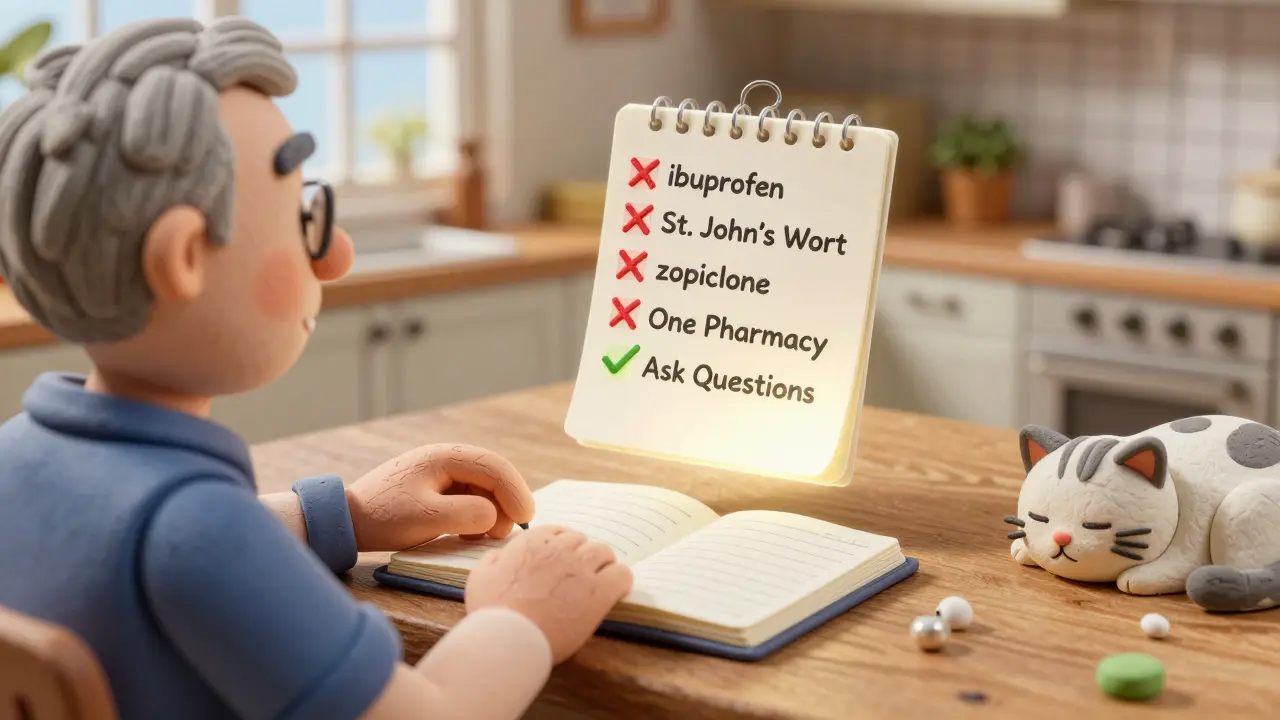
- Over-the-counter painkillers like ibuprofen or paracetamol
- Vitamins, fish oil, magnesium, or herbal supplements like St. John’s Wort
- Any creams, patches, or inhalers you use daily
Don’t rely on memory. Don’t trust your pill organizer. Write it down. Use a notebook, a phone note, or a free app like MyTherapy or Medisafe. Update it every time you start, stop, or change a medicine.
Bring this list - and your pill bottles - to every appointment. Not just your GP. Every specialist. Every pharmacist. Every emergency visit. If you’re seeing a new doctor, hand them the list before they even sit down.
Why bottles? Because labels have details your list might miss: strength (e.g., 50mg vs. 100mg), frequency (e.g., "take once daily" vs. "take as needed"), and expiration dates. A pharmacist can scan them and spot duplicates instantly.
Use One Pharmacy - Always
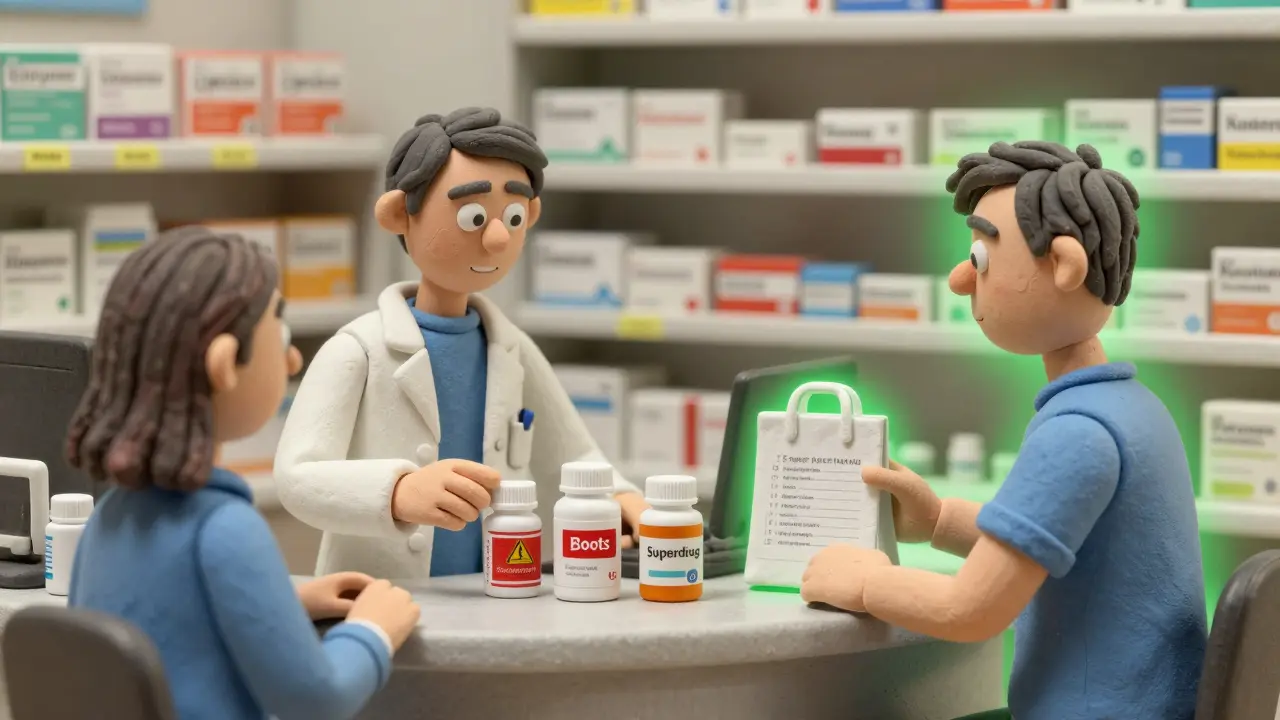
Switching pharmacies might seem harmless. But if you pick up your blood pressure med at Superdrug and your cholesterol pill at Boots, neither pharmacy has your full record. And their computer systems can’t warn you about duplicates if they don’t see both prescriptions.
Stick to one pharmacy. Even if it’s a bit farther away. The benefit? They build a complete profile of your meds. They know you’re on warfarin, so they’ll flag if a new doctor tries to add aspirin. They know you’re on metformin, so they’ll catch if another doctor adds a similar diabetes drug.
Pharmacists are trained to spot duplication. They see hundreds of prescriptions a day. They know which drugs are clones of each other - like lisinopril and enalapril, both ACE inhibitors. They can call your doctor and say, “You’re already on this. Do you still need it?”
Don’t be shy about asking them. Say: “Can you check if I’m getting two medicines that do the same thing?”
Ask the Right Questions at Every Visit
Specialists don’t always explain why they’re prescribing something new. They assume you know. But you might not.
Before leaving the office, ask:
- “Why am I taking this?”
- “Is this replacing something I’m already on, or is it new?”
- “Could this interact with anything else I’m taking?”
- “Can you check if my other doctors have prescribed something similar?”
If you’re unsure, say: “I take a lot of pills. Can you please check my list?” Then hand them your updated medication list.
One patient in Bristol told me she started taking a new antidepressant after her GP referred her to a psychiatrist. A month later, she felt dizzy and foggy. She brought her list to her pharmacist - who found she was on two different SSRIs. One had been prescribed by her GP, the other by the psychiatrist. Both were meant for anxiety. She stopped one. Her symptoms vanished in three days.
Medication Reconciliation Isn’t Optional - It’s Essential
Medication reconciliation is the formal name for checking your list against what’s being prescribed. It’s not a suggestion. It’s a national safety standard in the UK and across the EU.
At every transition - whether you’re leaving the hospital, switching GPs, or seeing a new specialist - someone should review your full list. But that doesn’t always happen. So you have to push for it.
When you’re discharged from hospital, ask: “Will my GP get a full list of what I was given here?” If they say no, ask to take a copy yourself. Bring it to your next GP appointment.
Same with specialist visits. After your appointment, email or call your GP: “I saw Dr. Patel today. They prescribed [medication]. Can you confirm if this overlaps with anything I’m already taking?”
Don’t wait for someone else to fix it. Be the person who makes sure it gets done.
Watch Out for These Common Duplicates
Some drugs are so similar, even doctors mix them up. Here are the most common duplicates seniors accidentally take:
- Blood pressure: lisinopril + enalapril, amlodipine + nifedipine
- Cholesterol: atorvastatin + rosuvastatin
- Pain relief: ibuprofen + naproxen, paracetamol + codeine combinations
- Diabetes: metformin + glipizide, sitagliptin + saxagliptin
- Depression/anxiety: sertraline + escitalopram, fluoxetine + citalopram
- Sleep aids: zopiclone + temazepam, melatonin + diphenhydramine
If you’re taking two from the same group, ask: “Do I really need both?” Often, the answer is no.
Technology Can Help - But Don’t Rely on It Alone
Electronic systems are getting better. Some GP practices now use AI tools that scan your entire prescription history and flag potential duplicates. Mayo Clinic’s system improved detection by 143% in a recent trial.
But these systems only work if all your data is in one place. If you see a private specialist who doesn’t share records with the NHS, the system won’t know.
Don’t assume the computer will catch everything. Use it as a backup - not your only defense.
What to Do If You Already Have a Duplicate
If you suspect you’re taking two medicines that do the same thing:
- Don’t stop either one on your own.
- Write down both names, doses, and why you’re taking them.
- Call your pharmacist and ask for a review.
- Book an appointment with your GP - not the specialist who prescribed the new drug.
- Ask: “Which one should I keep? Which one can I stop?”
Stopping the wrong one can be risky. For example, if you’re on two blood pressure pills, one might be for heart failure and the other for kidney protection. They serve different purposes, even if they’re in the same class.
Your GP or pharmacist can tell you which one is essential - and which one can be safely dropped.
Final Thought: You’re the Keeper of Your Own Health
No doctor, pharmacist, or AI system can protect you if you’re not involved. You’re the only person who knows every pill you’ve taken, every supplement you’ve tried, every side effect you’ve felt.
Keep your list updated. Bring it everywhere. Ask questions. Use one pharmacy. Talk to your pharmacist. Don’t assume someone else is watching out for you.
Preventing duplicate medications isn’t complicated. It just takes a little effort - and the courage to speak up.
Your health depends on it.
What should I do if I think I’m taking two medicines that do the same thing?
Don’t stop either medication on your own. Write down both names, doses, and reasons for taking them. Bring your list and pill bottles to your pharmacist or GP. Ask them to review whether both are necessary. They can tell you which one is essential and which one can be safely stopped - based on your full medical history.
Why is it important to use just one pharmacy?
Using one pharmacy means they have your complete medication record. Their system can warn them if a new prescription overlaps with something you’re already taking. If you use multiple pharmacies, each one only sees part of your list - so they can’t catch duplicates. One pharmacy can also call your doctor if something looks wrong, which saves you time and risk.
Should I include over-the-counter medicines and supplements on my list?
Yes - absolutely. Many duplicates happen because people forget OTC drugs. Taking ibuprofen with naproxen, or melatonin with diphenhydramine (a sleep aid in some cold medicines), can cause dangerous side effects. Supplements like St. John’s Wort can interfere with antidepressants. Your list must include everything you take - even if you think it’s "not a real medicine."
Can my specialist see what my GP prescribed?
Not always. If your GP uses NHS Digital records and your specialist is in private practice, they might not have access. Even within the NHS, not all systems connect perfectly. Never assume your specialist knows your full list. Always bring your own updated medication list to every appointment.
How often should I update my medication list?
Update it every time you start, stop, or change a medicine - even if it’s temporary. That includes new prescriptions, OTC drugs, supplements, or creams. Keep the list in your wallet, phone, or with a family member. Review it every month and bring it to every doctor’s visit.
What if my doctor ignores my list?
Politely insist. Say: “I’ve had issues with medication overlaps before, and I want to make sure this new prescription doesn’t conflict with anything else.” If they still don’t look, ask to speak to the practice manager or request a medication review with your pharmacist. Your safety matters more than convenience.


