
You just picked up a new prescription. The pharmacist hands you a folded paper insert, maybe with a QR code, and says, "Read this carefully." You toss it in the bag, assuming your doctor already checked for conflicts. But here is the scary part: drug interactions cause roughly 7,000 deaths every year in the US alone. And most of those happen because patients missed a warning or didn't realize that their daily grapefruit juice was messing with their statin.
The Medication Guide isn't just legal paperwork. It's your shield. But only if you know how to decode it. Most people skim it like a Terms of Service agreement. That's a mistake. This guide breaks down exactly how to read those interaction warnings so you can spot the dangers before they hit you.
Why These Warnings Exist (And Why They Change)
Back in 1987, the Prescription Drug Marketing Act started forcing manufacturers to provide these guides. But it wasn't until the 2007 Amendments Act that things got serious for high-risk drugs. Today, the FDA requires clear, plain-language warnings. Why? Because generic drug labels often fail readability standards. A 2022 analysis showed only half of generic guides met current clarity benchmarks. So, you have to be your own detective.
Think of the Medication Guide as a map of potential landmines. Some are marked "Do Not Step Here" (contraindications). Others say "Watch Your Step" (cautions). If you ignore the map, you might trip over something fatal. For example, warfarin-a common blood thinner-has 17 specific interaction warnings in its guide. One involves NSAIDs (like ibuprofen), which can double your bleeding risk. If you take Advil for a headache without checking that guide, you're gambling with your health.
Decoding the Severity Levels
Not all interactions are created equal. The FDA and organizations like CredibleMeds use specific tiers to tell you how worried you should be. If you see one of these terms, pay attention:
- Contraindicated: This is the red flag. Do not mix these drugs. Ever. It’s like mixing bleach and ammonia. The combination could be life-threatening. Example: Simvastatin and clarithromycin. Taking them together increases simvastatin exposure by 10-fold, skyrocketing the risk of muscle breakdown (rhabdomyolysis).
- Avoid: Similar to contraindicated, but sometimes there’s a tiny window where a doctor might allow it under strict monitoring. Usually, though, find an alternative.
- Use with Caution: You can take these together, but watch out. You might need dose adjustments or more frequent blood tests. This is where the "moderate" interactions live.
Here is a quick cheat sheet for what these mean in real life:
| Warning Term | What It Means | Action Required |
|---|---|---|
| Contraindicated | Serious harm likely; absolute avoidance. | Call your pharmacist immediately. Ask for a different drug. |
| Avoid | High risk; usually not recommended. | Discuss alternatives with your prescriber. |
| Use with Caution | Possible side effects; manageable with care. | Monitor symptoms closely. Follow timing instructions. |
Where to Look on the Label
Prescription drugs and Over-the-Counter (OTC) meds look different. Don't get confused by the layout.
For prescription medications, look for Section 7, titled "Drug Interactions." This section details the mechanism. Does Drug A stop Drug B from breaking down? Or do they both attack the same organ? The FDA mandates this section specify the type of interaction-pharmacokinetic (how the body processes the drug) or pharmacodynamic (what the drug does to the body).
For OTC drugs (like Tylenol or Benadryl), check the "Warnings" section on the Drug Facts label. This is where they hide the big stuff. Look for bold text saying "Ask a doctor before use if you are taking..." Many people skip this, assuming OTCs are harmless. Wrong. OTCs and supplements account for 37% of clinically significant interactions. If you take aspirin daily and buy an OTC cold med with ibuprofen, you might increase your stomach bleed risk without knowing it.

The Hidden Dangers: Food and Supplements
Your medication guide doesn't just list other pills. It lists foods and herbs too. This is where most people get tripped up.
Grapefruit is the classic example. It blocks CYP3A4, an enzyme that metabolizes about 50% of prescription drugs. If you drink grapefruit juice while taking certain statins or calcium channel blockers, your blood levels of the drug can spike dangerously high. A single glass can raise INR levels (blood thickness) by 1.5 to 2.0 within 24 hours for some patients. Yet, many guides just say "avoid grapefruit" without explaining why or how much is too much.
Supplements are sneaky. St. John's Wort speeds up drug metabolism, making birth control or antidepressants less effective. Calcium supplements can block antibiotic absorption. Always cross-reference your vitamins with your prescriptions. The American Pharmacists Association recommends listing every supplement you take, no matter how "natural" it seems.
Practical Steps to Stay Safe
Reading the guide is step one. Acting on it is step two. Here is a four-step verification process used by safety programs at places like the Cleveland Clinic:
- List Everything: Write down every pill, patch, cream, vitamin, and herbal remedy. Average patients take 4.7 medications. Include the dosage and time of day.
- Cross-Reference: Use the FDA’s online Drug Interaction Checker. It’s free and updated quarterly. Paste your list in and scan for red flags.
- Check Timing: Sometimes, you don't need to drop a drug-you just need to separate the doses. Spacing doses by 2-4 hours can mitigate 60% of moderate interactions. For example, separating iron supplements from thyroid medication prevents the iron from blocking absorption.
- Talk to Your Pharmacist: They are the experts. Bring your full list to the counter. Ask specifically: "Does anything here conflict with my other meds or my diet?"
Pro tip: Photograph your medication guides. Keep them in a folder on your phone. When you visit a specialist who doesn't have your full history, you can show them exactly what warnings apply to your current regimen.
Digital Tools Are Changing the Game
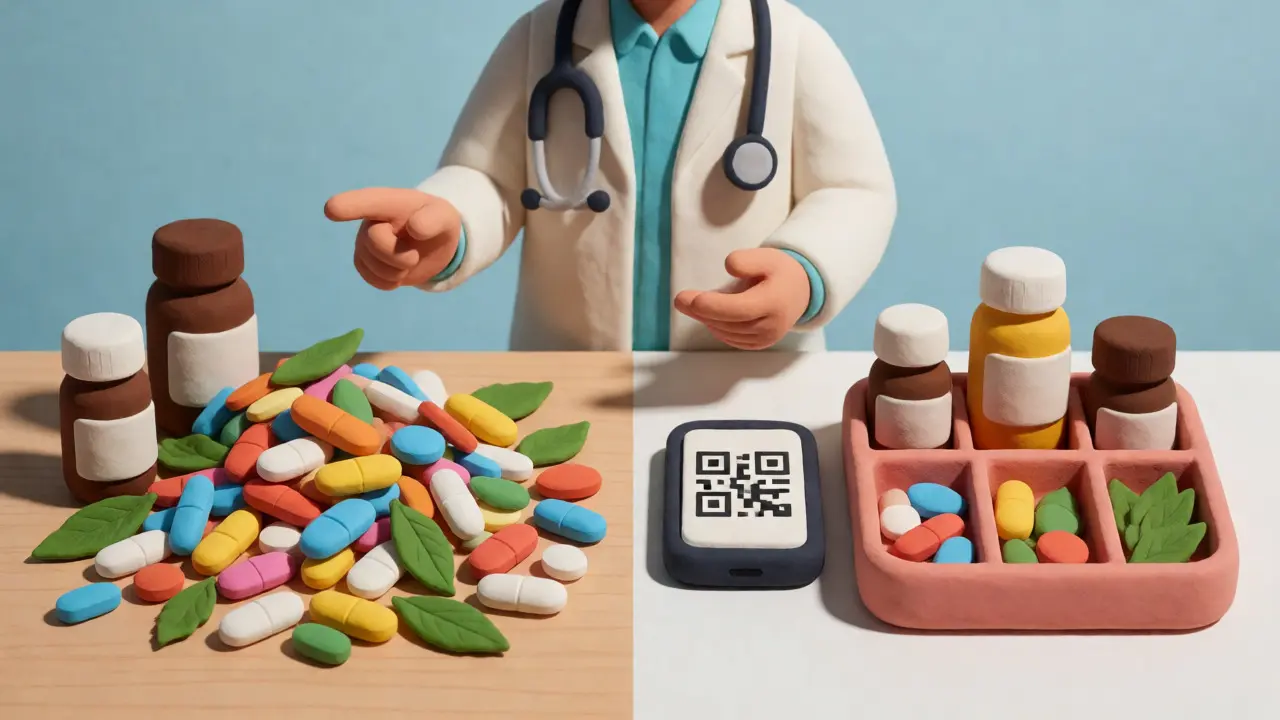
As of January 2025, new drug applications must include QR codes linking to digital guides. These aren't just PDFs. They offer voice navigation and interactive checkers. A Mayo Clinic pilot study found that personalized digital reports reduced interaction incidents by 42%. If your guide has a QR code, scan it. The digital version often explains *why* an interaction happens in simpler terms than the printed paper.
Also, watch for standardized language changes. By December 2025, the FDA plans to unify severity terms across all guides. Currently, one company might say "Major" while another says "Severe," causing confusion. The new standard will stick to three clear buckets: Contraindicated, Avoid, and Use with Caution. This consistency helps you learn the system faster.
Frequently Asked Questions
What if I miss a warning and experience side effects?
Stop taking the non-essential medication (if safe) and call your pharmacist or doctor immediately. Describe your symptoms clearly. If you suspect a severe reaction like trouble breathing or chest pain, go to the ER. Bring your medication bottles with you so they can identify the exact compounds involved.
Are generic medication guides as reliable as brand-name ones?
They contain the same active ingredient information, but readability varies. A 2022 study noted that only 53% of generic guides meet current FDA readability standards. However, the clinical data regarding interactions is identical. Always read the guide provided with your specific bottle, regardless of whether it's brand or generic.
Do I need to worry about interactions with vitamins?
Yes. Vitamins and supplements are treated like drugs when it comes to interactions. For instance, Vitamin K affects blood thinners, and calcium interferes with antibiotics. Always inform your healthcare provider about any supplements you take, even if they seem harmless.
How often should I re-read my medication guides?
Every time you start a new medication, change a dosage, or receive a refill with a different manufacturer. Also, review them annually. Drug labels update frequently based on new safety data. What was safe last year might have a new warning today.
Can food really change how my medicine works?
Absolutely. Grapefruit, alcohol, dairy, and even leafy greens can alter drug efficacy or toxicity. The guide will specify if you should take the drug "with food" or "on an empty stomach." Following these instructions ensures proper absorption and minimizes side effects.


