
Medication Swelling Symptom Checker
Recommended Actions:
Fill out the form to get personalized guidance based on your symptoms.
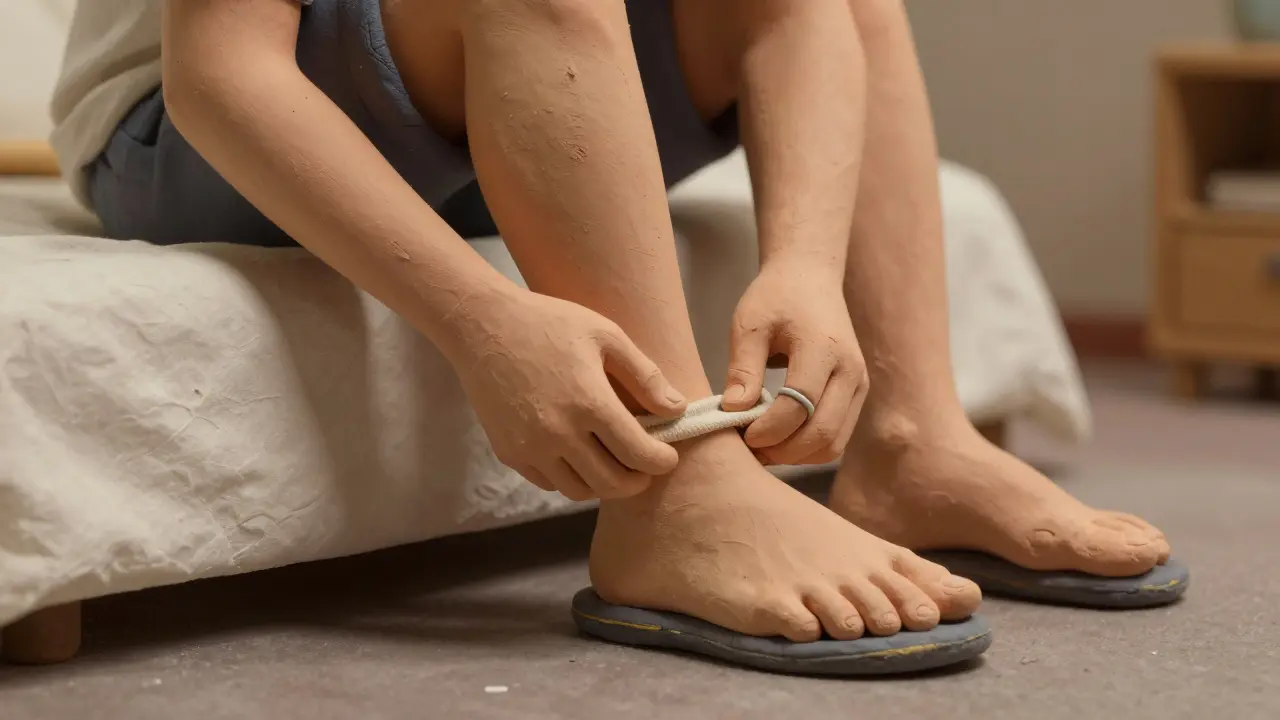
Your shoes feel tight. Your rings leave deep marks on your fingers. You wake up with puffy ankles that didn’t bother you yesterday. If this sounds familiar, you might be experiencing medication-induced swelling. It is a surprisingly common issue, affecting roughly 5% to 10% of people taking certain prescription drugs. While often harmless, it can sometimes signal a more serious health problem.
Understanding why your body reacts this way helps you take control. Is it just water retention? Or is it a sign that your current treatment plan needs adjusting? Knowing the difference between normal side effects and dangerous symptoms can save you time, discomfort, and potentially serious complications. Let’s look at what causes this swelling, which medications are the usual suspects, and exactly when you need to pick up the phone and call your doctor.
The Two Main Types of Drug-Induced Swelling
Not all swelling is created equal. Doctors generally categorize medication-related swelling into two distinct types based on where it happens and how it feels. Recognizing which type you have is the first step toward getting relief.
Pedal Edema (Leg and Foot Swelling)
This is the most common form. It typically affects both feet and ankles equally. The skin looks shiny, and if you press your finger into the swollen area for a few seconds, it leaves a dent (this is called "pitting" edema). This swelling usually gets worse as the day goes on, especially after standing or sitting for long periods, and improves overnight when you lie flat. It is rarely painful, though it can feel heavy or uncomfortable.
Hand-Foot Syndrome (HFS)
Also known as palmar-plantar erythrodysesthesia, this condition primarily affects chemotherapy patients. Unlike simple edema, HFS involves redness, tingling, numbness, and pain in the palms of your hands and soles of your feet. In severe cases, blisters or peeling skin may develop. This is not just fluid retention; it is tissue irritation caused by the medication leaking out of small blood vessels in these areas.
Common Medications That Cause Swelling
Certain classes of drugs are notorious for causing swelling. If you recently started one of these, it is likely the culprit.
- Calcium Channel Blockers: Blood pressure medications like amlodipine, nifedipine, and felodipine. These drugs work by relaxing blood vessels to lower blood pressure. However, they can cause fluid to leak into surrounding tissues. Up to 15% of people taking standard doses of amlodipine experience ankle swelling.
- NSAIDs: Non-steroidal anti-inflammatory drugs such as ibuprofen, naproxen, and diclofenac. These reduce kidney function slightly, causing the body to hold onto sodium and water. Long-term use increases the risk significantly.
- Corticosteroids: Drugs like prednisone used for inflammation and autoimmune conditions. These alter hormone levels that regulate fluid balance, leading to generalized swelling and weight gain.
- Thiazolidinediones: Diabetes medications such as pioglitazone and rosiglitazone. These can cause fluid retention in 4% to 7% of users within the first three months of treatment.
- Gabapentinoids: Nerve pain medications like gabapentin and pregabalin. These are frequently cited in patient forums for causing noticeable leg swelling and "sock marks" that last all day.
- Chemotherapy Agents: Drugs like capecitabine and doxorubicin. These are the primary causes of Hand-Foot Syndrome, affecting up to 60% of patients receiving capecitabine.
Red Flags: When to Call Your Doctor Immediately
While mild swelling is often manageable, some symptoms indicate a medical emergency. Do not wait. Seek immediate care if you experience any of the following:
- Shortness of breath or chest pain: This could signal heart failure or a pulmonary embolism (a blood clot in the lung).
- Unilateral swelling: If only one leg or arm is swollen, especially if it is red, warm, or tender, you may have a Deep Vein Thrombosis (DVT).
- Rapid weight gain: Gaining more than 2 pounds in 24 hours or 5 pounds in a week suggests significant fluid overload.
- Decreased urine output: Producing less than 500 mL of urine per day indicates your kidneys are struggling to filter fluid.
- Skin changes: Ulcers, open sores, or dark discoloration on the skin require urgent evaluation to prevent infection.
For Hand-Foot Syndrome specifically, contact your oncologist within 24 hours if you have moderate pain that interferes with daily tasks (like holding a toothbrush or turning a doorknob). Call immediately if you see blisters, fever, or severe pain preventing self-care.
Managing Mild Swelling at Home
If your doctor confirms the swelling is a benign side effect, there are several evidence-based strategies to reduce discomfort while you continue your medication.
- Elevate Your Legs: Lie down and prop your legs above heart level for 30 minutes, three times a day. Clinical data shows this can reduce edema volume by 15% within 48 hours.
- Reduce Sodium Intake: Aim for less than 2,300 mg of sodium per day. Excess salt holds water in your body. Focus on fresh foods rather than processed meals.
- Wear Compression Stockings: Graduated compression stockings (20-30 mmHg) help push fluid back up the legs. Put them on first thing in the morning before swelling sets in.
- Adjust Medication Timing: For some drugs, taking the dose in the evening rather than the morning can minimize daytime swelling. Ask your pharmacist if this is safe for your specific medication.
- Stay Active: Low-impact exercise like walking or swimming engages calf muscles, which act as a pump to move fluid out of your legs. Avoid prolonged standing or sitting.
- Choose Proper Footwear: Wear shoes with extra depth or wide toe boxes. Avoid tight socks or elastic bands that cut off circulation.
| Strategy | Effectiveness | Best For | Key Consideration |
|---|---|---|---|
| Leg Elevation | Moderate (15% reduction) | All types of edema | Must be done consistently, 3x daily |
| Sodium Restriction | Moderate-High (20-25% reduction) | NSAID/Steroid-induced edema | Requires dietary changes |
| Compression Stockings | High (40% reduction) | Calcium channel blocker edema | Can be difficult to put on with severe swelling |
| Dose Adjustment | Very High (60-85% resolution) | All medication types | Must be done by a doctor |
| Vitamin B6 Supplementation | Low/Mixed | Hand-Foot Syndrome | Cochrane review found no significant benefit |
Talking to Your Doctor About Side Effects
Many patients delay contacting their doctor because they assume swelling is "normal" or "not serious enough." This is a mistake. According to recent surveys, over half of patients with medication-induced edema wait too long, leading to preventable complications.
When you call, be specific. Note when the swelling started, whether it is in one or both limbs, and if it has changed since you began the medication. If you started a new drug within the last 72 hours, there is a 78% chance the swelling is related to that change.
Your doctor has several options besides stopping the medication entirely:
- Dose Reduction: Lowering the dose of amlodipine from 10mg to 5mg reduces edema incidence from 14.7% to 4.3%.
- Adding Another Drug: Adding an ACE inhibitor to a calcium channel blocker can resolve swelling in 60-70% of cases.
- Switching Classes: Moving from a calcium channel blocker to an ARB (like losartan) often eliminates swelling while maintaining blood pressure control.
- Alternative Formulations: Sometimes extended-release versions cause less peak-effect swelling.
Never stop taking prescribed medication without consulting your healthcare provider. Sudden discontinuation can lead to rebound high blood pressure, uncontrolled diabetes, or other serious issues.
Prevention Tips for Future Prescriptions
If you are prone to swelling, discuss this history with your doctor before starting new treatments. Prevention is easier than management.
- Ask about starting at the lowest possible dose.
- Inquire about alternative medications with lower edema risks.
- For chemotherapy, ask about prophylactic urea cream application, which may reduce Hand-Foot Syndrome risk by 25%.
- Keep a symptom diary to track swelling patterns and share it with your care team.
How long does medication-induced swelling take to go away?
Most medication-induced edema resolves within 2 to 4 weeks after adjusting the dose or switching medications. Calcium channel blocker edema often improves within 1-2 weeks of stopping the drug. However, if swelling persists beyond a month despite intervention, further evaluation for underlying heart or kidney issues is necessary.
Can drinking more water help reduce swelling?
Counterintuitively, yes. Dehydration can cause your body to retain more water as a survival mechanism. Drinking adequate amounts of water helps flush excess sodium and fluids through your kidneys. However, avoid excessive intake if you have been diagnosed with heart or kidney failure, as your doctor will provide specific fluid limits.
Is vitamin B6 effective for Hand-Foot Syndrome?
Evidence is mixed. A 2022 Cochrane review of eight randomized trials found no statistically significant benefit from Vitamin B6 supplementation for preventing or treating Hand-Foot Syndrome. While some patients report subjective improvement, mainstream guidelines do not recommend it as a primary treatment. Urea cream and dose adjustments are more effective strategies.
Why does swelling happen only in my legs and not my arms?
Gravity plays a major role. Fluid naturally pools in the lowest parts of the body when you are upright. Additionally, veins in the legs must work harder against gravity to return blood to the heart. Medications that dilate blood vessels (vasodilators) increase pressure in these capillaries, causing fluid to leak into the tissues of the feet and ankles more readily than in the upper body.
What should I do if my ring gets stuck due to swelling?
Do not force it off, as this can damage the skin and increase swelling. Use a lubricant like soap or oil to gently slide it past the knuckle. If it remains stuck, contact a jeweler who specializes in ring removal or visit an emergency room. Fire departments also have tools to safely cut rings without injuring the finger.


