
Benzodiazepine Combination Risk Calculator
Assess Your Risk
When anxiety hits hard, doctors sometimes turn to benzodiazepines like Xanax, Ativan, or Valium. They work fast-often within an hour-to calm panic, ease tension, or help you sleep. But what most people don’t realize is how dangerous these drugs can become when mixed with other common medications or substances. The risks aren’t theoretical. They’re written in emergency room reports, FDA warnings, and too many obituaries.
What Benzodiazepines Actually Do
Benzodiazepines boost the effect of GABA, a natural calming chemical in your brain. That’s why they reduce anxiety, stop seizures, and relax muscles. But this same mechanism also slows down your central nervous system. That’s fine if you’re taking one pill as directed. It’s deadly when combined with other depressants.There are short-, intermediate-, and long-acting types. Alprazolam (Xanax) wears off in 6-12 hours. Diazepam (Valium) sticks around for days. The longer it stays in your system, the higher the chance of dangerous buildup-especially if you’re taking other meds.
The Deadly Mix: Benzodiazepines and Opioids
The biggest danger isn’t the pill itself. It’s what it’s taken with. Opioids like oxycodone, hydrocodone, or heroin are the worst combination. Both drugs suppress breathing. Together, they can shut it down completely.Between 2011 and 2016, 75% of deaths involving benzodiazepines also involved opioids. That’s not coincidence. That’s chemistry. The FDA found that people taking both drugs were 15 times more likely to die from overdose than those taking opioids alone. In 2019, benzodiazepine-opioid combinations were linked to 23% of all opioid-related deaths.
One Reddit user, u/AnxietyWarrior2020, described being prescribed Xanax for panic attacks while already on oxycodone for chronic pain. Within two weeks, he stopped breathing during sleep and ended up in the hospital. He wasn’t using drugs illegally. He was following his prescriptions. That’s the scary part.
Alcohol Makes It Worse
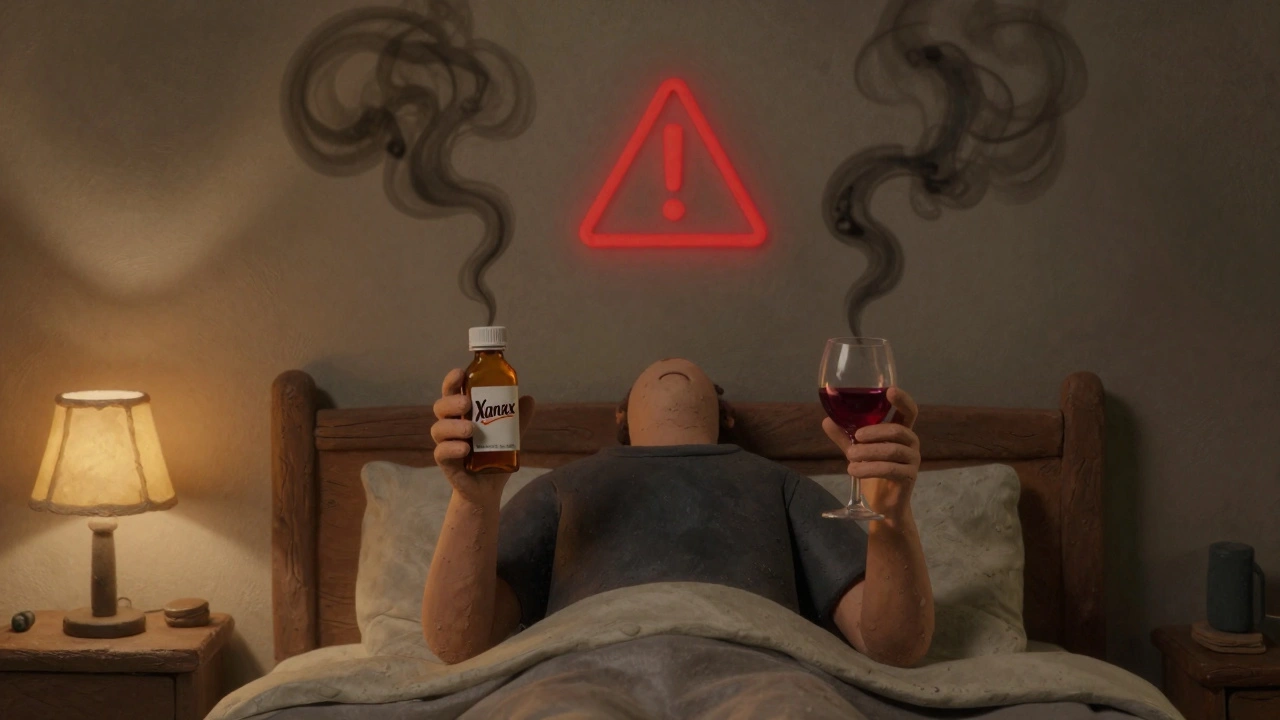
Alcohol is another CNS depressant. It doesn’t just add to the sedation-it multiplies it. People think, “I’ll have one drink to unwind,” not realizing that one drink with Ativan can turn into a near-fatal event.A 2023 Healthgrades analysis of over 1,200 patient reviews found that 27% of negative experiences mentioned dangerous reactions when benzodiazepines were mixed with alcohol. Common reports: extreme dizziness, blacking out, or being unable to wake up. One pharmacy student shared on Drugs.com that they’d seen multiple near-fatal cases in hospital settings where patients drank while on benzos. None of them realized how quickly things could spiral.
Older Adults Are at Highest Risk
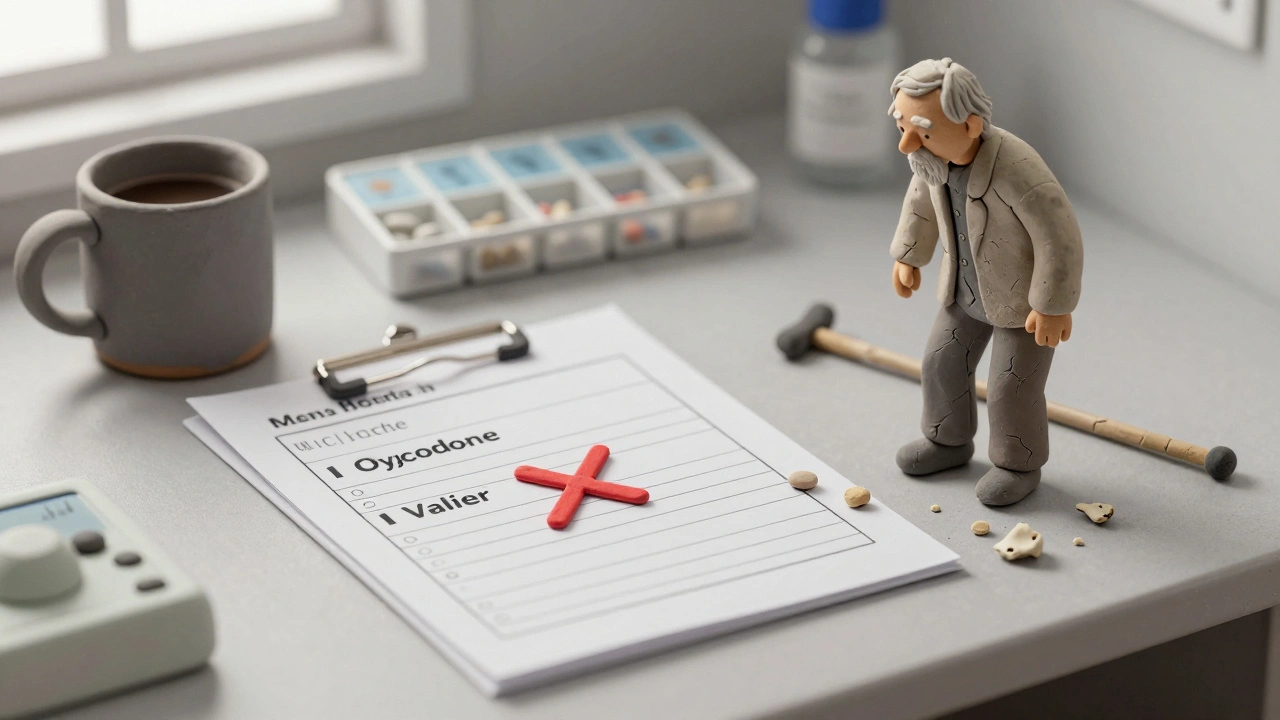
For people over 65, even a low dose of a benzodiazepine can be risky. These drugs increase the chance of falls by 50%. When combined with other sedatives-like sleep pills, antihistamines, or even some blood pressure meds-the risk triples.The American Geriatrics Society’s Beers Criteria explicitly says: avoid benzodiazepines in older adults. Why? They cause confusion, memory problems, and loss of balance. A single fall can lead to a hip fracture, surgery, long-term disability, or death. Many seniors are prescribed these drugs for insomnia or mild anxiety, not knowing there are safer alternatives like cognitive behavioral therapy or low-dose buspirone.
What About Other Anxiety Meds?
SSRIs like sertraline (Zoloft) or escitalopram (Lexapro) take 4-6 weeks to work. They don’t offer instant relief. But they also don’t cause dependence, withdrawal, or deadly interactions. That’s why they’re now the first-line treatment for anxiety in most clinical guidelines.Compared to benzodiazepines, SSRIs are far safer for long-term use. In 2022, 68% of new anxiety prescriptions were for SSRIs. Only 22% were for benzodiazepines. That shift didn’t happen by accident. Doctors are learning the hard way that quick fixes can become lifelong problems.
What About Z-Drugs Like Ambien?
Zolpidem (Ambien), eszopiclone (Lunesta), and zaleplon (Sonata) are often seen as “safer” alternatives to benzos for sleep. But they work the same way-on GABA receptors. They carry similar risks: drowsiness, memory lapses, and dangerous interactions with alcohol or opioids.While they’re usually shorter-acting, they’re still CNS depressants. The FDA includes them in the same safety warnings as benzodiazepines. Mixing Ambien with oxycodone? Just as deadly as mixing Xanax with heroin.
How to Stay Safe
If you’re on a benzodiazepine, here’s what you need to do:- Never mix with opioids. If you’re prescribed both, ask your doctor why. There’s almost never a medical reason.
- Avoid alcohol completely. Even one drink can be risky.
- Tell every doctor you see. Dentists, ER staff, and surgeons need to know you’re on benzos. Many don’t ask.
- Don’t take them longer than 2-4 weeks. Long-term use increases dependence risk by 40%. Withdrawal can be worse than the original anxiety.
- Use a pill organizer. It’s easy to double-dose when you’re tired or stressed.
Doctors are supposed to screen for these risks. But a 2022 American Medical Association survey found only 43% of primary care physicians routinely check for benzodiazepine-opioid combinations-even after the FDA’s 2020 warning.
What’s Changing Now?
Regulations are tightening. Since September 2020, every benzodiazepine package must carry a Boxed Warning-the strongest FDA alert-about abuse, dependence, and deadly interactions. In January 2023, Medicare started requiring prior authorization for any prescription that combines benzodiazepines and opioids. Pharmacies now get alerts when these combinations are ordered.States with prescription drug monitoring programs (PDMPs) that flag these risky mixes saw a 27% drop in co-prescribing within 18 months. That’s real progress.
But the biggest change is cultural. More people are asking: “Is this really necessary?” More doctors are saying: “Let’s try therapy first.”
When Benzodiazepines Might Still Make Sense
They’re not all bad. In short bursts-for a panic attack during a flight, after major surgery, or during acute alcohol withdrawal-they can be lifesaving. Dr. Christine Musso from Hartford Hospital says, “Used correctly, they’re a tool, not a crutch.”The key is intention. Short-term. Supervised. With clear exit plans. Not daily for years. Not with painkillers. Not with a glass of wine.
The goal isn’t to scare you off all medication. It’s to make sure you know the real stakes. These drugs aren’t like aspirin. They’re powerful. And power demands respect.
Can I take benzodiazepines with over-the-counter sleep aids?
No. Many OTC sleep aids, like diphenhydramine (Benadryl) or doxylamine (Unisom), are sedating and depress the central nervous system. Combining them with benzodiazepines increases drowsiness, dizziness, and risk of falls or breathing problems. Even a single dose can be risky, especially for older adults.
Is it safe to drink alcohol while on Xanax or Valium?
Absolutely not. Alcohol and benzodiazepines both slow your breathing and brain activity. Together, they can cause unconsciousness, respiratory failure, or death-even at low doses. This isn’t a myth. It’s documented in emergency rooms across the U.S. and UK. If you’re on a benzo, skip the wine, beer, and cocktails.
What are the signs of a dangerous interaction?
Watch for extreme drowsiness, slurred speech, confusion, loss of coordination, slow or shallow breathing, or inability to stay awake. If someone takes a benzo with opioids or alcohol and starts acting unusually sleepy or unresponsive, call emergency services immediately. Don’t wait. This can turn fatal in minutes.
Can I stop taking benzodiazepines cold turkey?
Never. Stopping suddenly after regular use can trigger seizures, hallucinations, extreme anxiety, or delirium. Withdrawal can be life-threatening. If you want to stop, talk to your doctor about a slow taper. For short-acting drugs like Xanax, reductions of 5-10% every 1-2 weeks are typical. Long-acting ones like Valium can be tapered faster, but still require medical supervision.
Are there safer alternatives for anxiety?
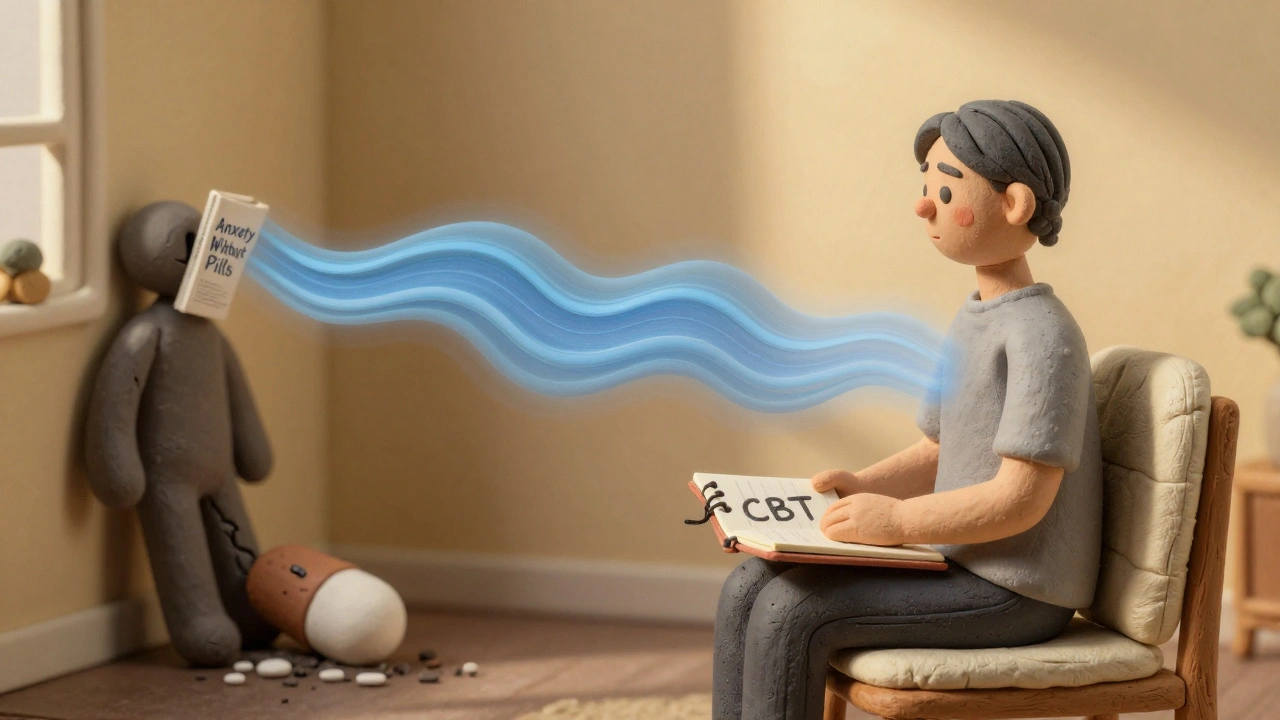
Yes. SSRIs like sertraline or escitalopram are first-line treatments for long-term anxiety. They take weeks to work but have no abuse potential. Buspirone is another option with minimal side effects and no withdrawal. Therapy-especially CBT-is proven to be as effective as medication, without the risks. For occasional panic, breathing exercises or mindfulness techniques can be powerful tools.
Why do doctors still prescribe benzodiazepines if they’re so risky?
Because they work fast. For someone having a panic attack in the ER, a single dose of lorazepam can restore calm in minutes. The problem isn’t the drug-it’s how often it’s used for long-term management. Many doctors prescribe them out of habit, lack of time, or because patients ask for something that “works right away.” But guidelines now clearly recommend them only for short-term use, after trying safer options.


