
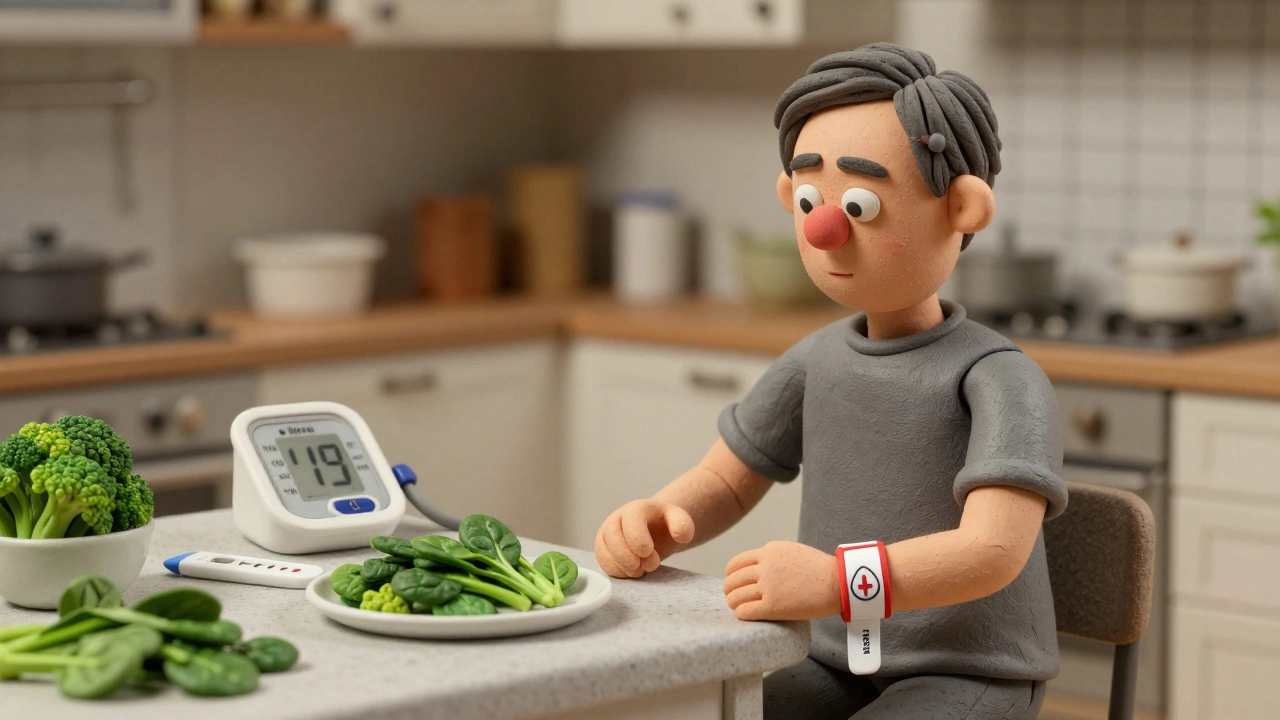
Warfarin has been saving lives for over 70 years. It prevents deadly blood clots in people with atrial fibrillation, artificial heart valves, or deep vein thrombosis. But for every person it helps, another faces a real risk of serious bleeding - sometimes without warning. If you're taking warfarin, you need to know the signs, the triggers, and what to do when things go wrong. This isn't about fear. It's about control.
What Warfarin Does - and Why It's Still Used
Warfarin works by blocking vitamin K, which your body needs to make clotting factors. Less clotting factors mean blood takes longer to thicken. That’s good if you’re at risk for a stroke or pulmonary embolism. But it’s dangerous if you cut yourself, fall, or have internal bleeding.
Even with newer drugs like apixaban or rivaroxaban available, warfarin is still the go-to for certain cases. If you have a mechanical heart valve - especially in the mitral position - warfarin is often the only option. It’s also preferred if you have severe kidney disease, because newer anticoagulants can build up in your system. And at $4 to $10 a month, it’s affordable. But affordability doesn’t mean safety. You need to manage it carefully.
The Biggest Risk: Bleeding
Bleeding is the #1 danger with warfarin. About 1 in 10 people on warfarin will have a major bleed each year. That’s not rare. That’s common enough to plan for.
Minor bleeding includes:
- Nosebleeds that last more than 5 minutes even after pinching
- Bleeding gums when brushing your teeth
- Unexplained bruises - especially large ones or in places you didn’t bump
- Pink, red, or brown urine
- Black, tarry, or bloody stools
These aren’t normal. They’re red flags. Don’t wait. Call your doctor.
Major bleeding is life-threatening:
- Coughing up blood
- Vomiting blood or material that looks like coffee grounds
- Sudden, severe headache or dizziness (could mean brain bleed)
- Severe back or abdominal pain
- Heavy vaginal bleeding outside your period
- Swelling, pain, or warmth in a limb (could mean internal clot turning to bleed)
If you have any of these, go to the ER immediately. Time matters. For brain bleeds, reversing warfarin within 30 to 60 minutes can mean the difference between recovery and permanent damage.
Your INR Is Your Lifeline
The only way to know if warfarin is working safely is through the INR test. This blood test measures how long it takes your blood to clot. The goal is usually between 2.0 and 3.0. For some people with mechanical heart valves, it’s 2.5 to 3.5.
Here’s the hard truth: every 1-point increase above 3.0 doubles your risk of major bleeding. If your INR hits 4.0 or higher, your bleeding risk jumps 4 to 8 times. That’s why regular testing isn’t optional. It’s survival.
Stable patients should test every 4 weeks. But if you’ve just started warfarin, changed your dose, or started a new medication, test weekly. Some people even learn to test themselves at home with devices like the CoaguChek Pro II. Studies show self-testing improves time in range by 15% to 20% - meaning fewer bleeds and fewer hospital visits.
What Makes Bleeding Worse
Some risks you can’t change. Age over 65? That raises your bleeding risk by 2.5 times. History of stomach bleeding? Triple the risk. High blood pressure? Almost 3 times higher. But you can control other factors.
Here’s what increases your risk:
- INR above 4.0
- Drinking alcohol regularly - even one drink a day
- Taking NSAIDs like ibuprofen or naproxen - they can increase stomach bleeding risk by 2 to 4 times
- Having three or more risk factors - this pushes your annual bleeding risk to nearly 20%
The HAS-BLED score is a tool doctors use to measure this. If your score is 3 or higher, your doctor should be extra cautious. That doesn’t mean stop warfarin. It means you need tighter monitoring and more awareness.

Other Side Effects You Might Not Know About
Bleeding isn’t the only problem. Warfarin can cause rare but serious reactions:
- Warfarin-induced skin necrosis: This happens in about 1 in 10,000 people. Within days of starting the drug, you might see painful purple or black patches on your skin - often on the thighs, breasts, or buttocks. It’s linked to low protein C levels. If you see this, stop the drug and get help immediately.
- Purple toe syndrome: Three to eight weeks after starting warfarin, your toes may turn purple or blue. Tiny cholesterol clots block small blood vessels. It’s rare, but painful. Tell your doctor - you may need to switch drugs.
- Calciphylaxis: This is extremely rare, seen mostly in people with kidney failure. Calcium builds up in blood vessels, causing painful skin ulcers. If you’re on dialysis and notice hard, dark spots on your legs, ask about it.
Less serious but common: nausea, bloating, gas, and a strange taste in your mouth. These usually go away after a few weeks. But if they don’t, talk to your doctor. Something else might be going on.
What You Can Do to Stay Safe
You’re not powerless. There are real, proven steps you can take to cut your bleeding risk in half.
- Keep vitamin K steady. Leafy greens like spinach, kale, and broccoli are high in vitamin K. That’s fine - but eat about the same amount every day. A sudden change - like eating a big salad every day instead of once a week - can make your INR swing wildly. Aim for 60-80 mcg daily. Don’t avoid greens. Just keep them consistent.
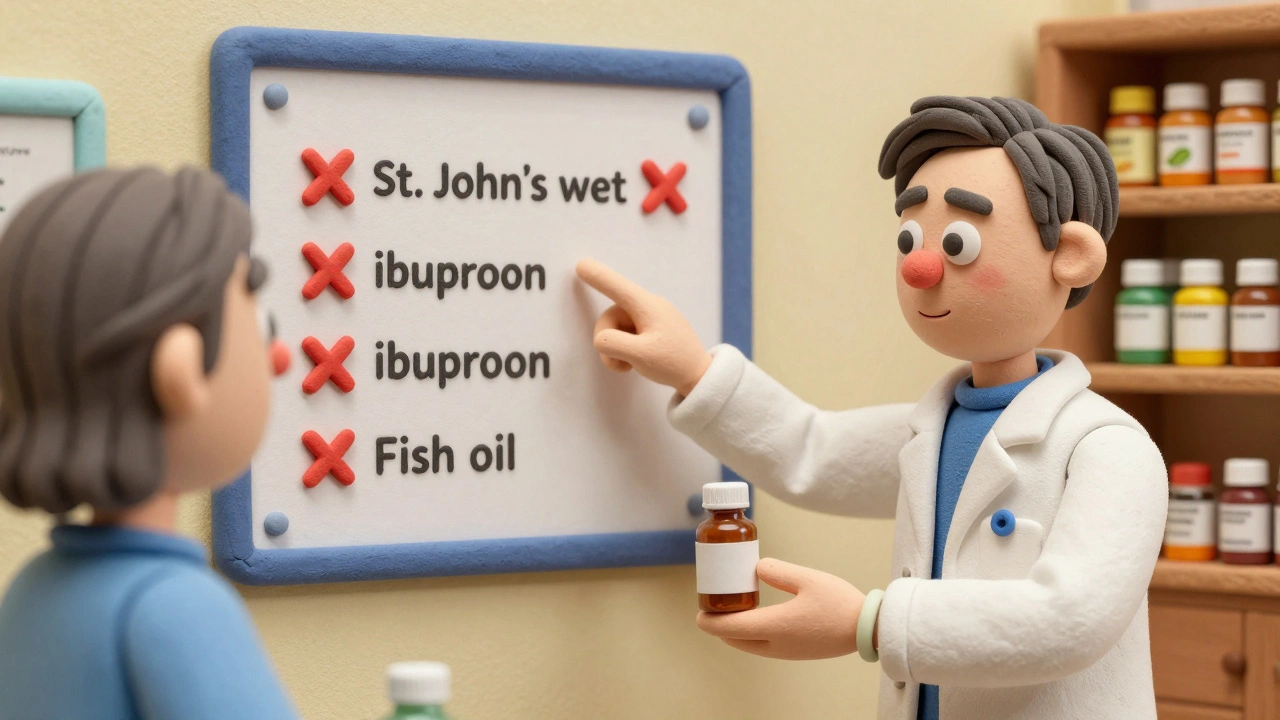
- Avoid NSAIDs. No ibuprofen, no naproxen, no aspirin unless your doctor says so. Use acetaminophen (Tylenol) for pain instead. It’s safer with warfarin.
- Use a soft toothbrush and waxed floss. Gum bleeding is common. Soft bristles and waxed floss reduce trauma.
- Use an electric razor. Blades nick your skin. Nicks lead to slow bleeding. Electric razors are safer.
- Avoid contact sports. No football, rugby, boxing, or skiing if you can help it. Falls and hits are dangerous.
- Wear a medical alert bracelet. If you’re in an accident and can’t speak, paramedics need to know you’re on warfarin. The American Heart Association has approved wording for these.
- Check all new meds and supplements. Over 300 drugs interact with warfarin. Antibiotics, antifungals, herbal supplements like St. John’s wort, even some fish oil pills can change your INR. Always ask your pharmacist or doctor before starting anything new.
What to Do If You Bleed
Not every bleed needs an ER trip. A nosebleed that stops in 3 minutes? Call your doctor the next day. A gum bleed after brushing? Keep brushing gently. But if it doesn’t stop, or if you see blood in your stool or urine - go now.
If you’re admitted for a major bleed, doctors will:
- Stop warfarin immediately
- Test your INR
- Give vitamin K (10 mg IV) to reverse the effect
- Use prothrombin complex concentrate (PCC) if bleeding is life-threatening - it works in minutes
- Use fresh frozen plasma if PCC isn’t available
There’s no magic pill to instantly reverse warfarin like there is for newer drugs. But these tools work - if you act fast.
When to Consider Switching
Newer anticoagulants - called DOACs - are safer for most people. Studies show they cause about 30% fewer major bleeds than warfarin. They don’t need regular INR tests. No dietary restrictions. Fewer drug interactions.
So why not switch? Because warfarin still wins in two key areas:
- People with mechanical heart valves - DOACs aren’t approved for this
- People with severe kidney failure - DOACs can’t be cleared properly
If you’re not in one of those groups, ask your doctor if a DOAC might be better for you. It’s not a failure to switch. It’s smart management.
Bottom Line: You’re in Charge
Warfarin is powerful. It can save your life. But it can also hurt you - badly - if you’re not careful. The good news? You have more control than you think.
Test your INR. Watch what you eat. Avoid risky drugs. Know the signs of bleeding. Wear your alert bracelet. Speak up when something feels off.
Most people on warfarin live full, active lives. But only if they treat it like the serious medicine it is - not just another pill.
Can I drink alcohol while taking warfarin?
Occasional light drinking - like one beer or one glass of wine - is usually okay. But regular or heavy drinking raises your bleeding risk and makes your INR unstable. Alcohol affects how your liver processes warfarin. If you drink, tell your doctor. They may need to test your INR more often.
Can I take aspirin with warfarin?
Only if your doctor specifically tells you to. Aspirin thins blood too, and combining it with warfarin greatly increases bleeding risk - especially in the stomach. Never start aspirin on your own, even for heart protection. Your doctor will weigh the benefits against the danger.
What should I do if I miss a dose of warfarin?
If you miss a dose, take it as soon as you remember - but only if it’s the same day. If it’s the next day, skip the missed dose. Don’t double up. Taking too much at once can spike your INR and cause bleeding. Always call your doctor if you miss more than one dose or if you’re unsure.
Do I need to avoid all green vegetables?
No. You don’t need to avoid them at all. But you must eat about the same amount every day. If you normally eat spinach once a week, don’t suddenly eat it every day. Consistency is what keeps your INR stable - not avoidance.
Is warfarin safe during pregnancy?
No. Warfarin can cause serious birth defects, especially in the first trimester. If you’re pregnant or planning to be, talk to your doctor right away. Heparin injections are the usual alternative during pregnancy because they don’t cross the placenta.
Can I have dental work while on warfarin?
Yes, for most routine procedures like cleanings or fillings. You usually don’t need to stop warfarin. Your dentist will use local measures to control bleeding. For major surgery - like tooth extractions or implants - your doctor may check your INR and decide if a short pause is needed, but bridging with injections is rarely required.
How long do I need to take warfarin?
It depends on why you’re taking it. For a one-time blood clot, you might take it for 3 to 6 months. For atrial fibrillation, it’s often lifelong. For mechanical heart valves, it’s always lifelong. Your doctor will review your condition yearly and adjust based on your risks and how well you tolerate the drug.
What Comes Next
If you’re on warfarin, your next step isn’t to panic. It’s to get organized. Write down your INR numbers. Keep a food log for vitamin K. Make a list of all your meds and supplements. Talk to your pharmacist about interactions. Ask if home testing is right for you.
Most people on warfarin never have a major bleed. But they’re the ones who paid attention. Who asked questions. Who didn’t ignore the small signs.
You can be one of them.


