
Opioid Withdrawal Timeline Calculator
Estimate when you might experience withdrawal symptoms based on your opioid type and when you last took your medication.
When someone stops using opioids after relying on them for a while, their body doesn’t just adjust quietly. It reacts. Hard. Opioid withdrawal isn’t a choice-it’s a physical reality. And while it’s not usually deadly, it’s one of the most uncomfortable experiences a person can go through. Understanding the timeline and what actually happens during withdrawal can make all the difference in staying safe and getting through it without relapsing.
When Does Withdrawal Start?
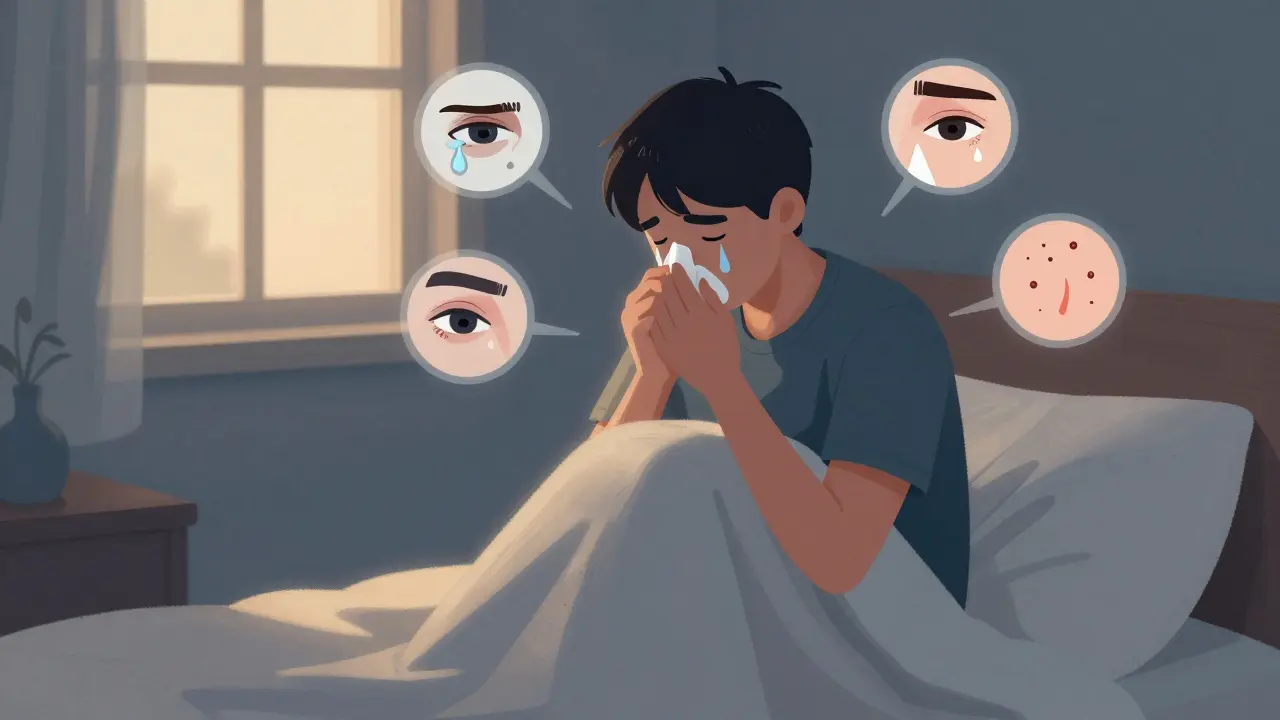
The clock starts ticking as soon as the last dose wears off. But the timing depends entirely on what kind of opioid was being used. For short-acting drugs like heroin, hydrocodone, or immediate-release oxycodone, symptoms can begin as early as 8 to 12 hours after the last use. People often describe the first signs as feeling like the flu: runny nose, tearing eyes, yawning, and a sudden wave of anxiety. Muscle aches show up soon after, along with restlessness and trouble sleeping.If someone was taking a long-acting opioid like methadone or extended-release oxycodone, the wait is longer. Withdrawal doesn’t kick in until 24 to 36 hours after the last dose. That delay can trick people into thinking they’re fine-until it hits hard. Symptoms then build over the next day or two, peaking around the third day.
What Happens During the Peak?
By the time you hit 48 to 72 hours, withdrawal is at its worst. This is when the body is screaming for the drug it’s been depending on. Physical symptoms become intense: nausea, vomiting, diarrhea, stomach cramps, chills, sweating, and a racing heartbeat. Pupils dilate. Skin breaks out in goosebumps. Body aches feel deep, like bones are cracking. Sleep is impossible. The mind races with anxiety, irritability, and sometimes depression.These symptoms aren’t random. They’re the nervous system going into overdrive. Opioids suppress the body’s natural stress responses. When they’re gone, everything fires too hard. Blood pressure spikes. Breathing gets faster. The gut goes haywire. It’s not just "feeling bad." It’s your autonomic nervous system screaming.
For short-acting opioids, this peak usually lasts 3 to 5 days. For long-acting ones, it can stretch to a week. The physical symptoms start to fade after that-but the emotional hangover doesn’t.
The Aftermath: Psychological Symptoms Last Longer
Many people think once the vomiting and cramps stop, they’re done. But that’s not true. Even after 7 to 10 days, the brain is still adjusting. Depression, fatigue, trouble concentrating, and intense cravings can linger for weeks. This is why so many people relapse-not because they couldn’t handle the physical pain, but because the emotional void felt too heavy to face alone.Studies show that without ongoing support, only 20 to 25% of people stay off opioids after detox. That number jumps to 40 to 60% when medication-assisted treatment continues for at least six months. Withdrawal isn’t the finish line. It’s the first step.

How Medications Help: The Gold Standard
The best way to manage withdrawal isn’t to tough it out. It’s to use FDA-approved medications that ease the process. Three main drugs are used: methadone, buprenorphine, and naltrexone.Buprenorphine (often in the form of Suboxone) is the most widely used today. It’s a partial opioid agonist, meaning it activates opioid receptors just enough to stop withdrawal symptoms and cravings-without causing the same high as heroin or fentanyl. Clinical trials show it reduces withdrawal symptoms by 60 to 70%. It’s safe, effective, and can be prescribed by most doctors since the 2021 MAT Act removed the old X-waiver requirement.
Methadone is a full opioid agonist used in clinics. It’s not for everyone-it requires daily visits-but it’s been the backbone of treatment for decades. It stabilizes the brain and prevents withdrawal without euphoria. Importantly, you don’t need to go through withdrawal to start methadone. That’s a myth. The American Society of Addiction Medicine says starting methadone right away is safer and more effective.
Naltrexone works differently. It blocks opioid receptors entirely. It’s used after detox, not during. It prevents relapse by making opioids ineffective if someone uses them again. But it can’t be started until the body is completely clear of opioids-usually 7 to 10 days after the last dose. Starting naltrexone too soon can trigger sudden, severe withdrawal.
Non-Medication Support: What Actually Works
Medication helps, but it’s not the whole story. Supportive care makes a real difference.- Hydration: Vomiting and diarrhea drain fluids fast. Drinking 2 to 3 liters of water or electrolyte solutions daily prevents dangerous dehydration. Oral rehydration salts are more effective than plain water.
- Nutrition: Loss of appetite is common. Easy-to-digest foods like bananas, rice, toast, and broth help restore electrolytes and energy. Zinc and magnesium supplements can reduce muscle cramps.
- Cognitive Behavioral Therapy (CBT): CBT helps retrain the brain’s response to cravings. Just one session during withdrawal can lower relapse risk by 30%.
- Acupuncture: A 2019 meta-analysis found acupuncture reduced withdrawal symptom severity by 25 to 30% in over two-thirds of participants. It’s not a cure, but it helps.
Why Medical Supervision Matters
Trying to quit opioids alone at home is risky. Dehydration from vomiting and diarrhea can lead to kidney stress or heart rhythm problems. One study found 12 to 15% of unsupervised withdrawals resulted in severe electrolyte imbalances.Even more dangerous is what happens after withdrawal. Tolerance drops fast. Someone who used to take 100mg of oxycodone daily might relapse after detox and take just 20mg-and overdose. The risk of fatal overdose in the first 4 weeks after quitting is 3 to 5 times higher than before detox.
That’s why medical detox is the standard. Clinics use the Clinical Opioid Withdrawal Scale (COWS) to measure severity. It checks 11 symptoms-like sweating, tremors, anxiety, and nausea-and gives a score. A score of 5 to 12 is mild. 25 to 36 is moderately severe. 37 or higher is severe. This helps doctors adjust medication doses precisely.

How Long Does It Really Take?
Here’s a simple breakdown:- Short-acting opioids (heroin, oxycodone, hydrocodone): Symptoms start in 8-12 hours, peak at 48-72 hours, ease by day 7, and mostly resolve in 10 days.
- Long-acting opioids (methadone, extended-release oxycodone): Symptoms start in 24-36 hours, peak at 72 hours, last 10-14 days, and lingering emotional effects can continue for weeks.
Most people need 5 to 7 days of medical care for short-acting opioids. Long-acting ones often require 10 to 14 days. Outpatient care works for mild cases. Moderate to severe cases need 24-hour monitoring.
What’s New in 2026?
New treatments are improving outcomes. In 2023, a study in the New England Journal of Medicine showed a new extended-release buprenorphine injection reduced withdrawal symptoms by 45% in the first 72 hours compared to daily pills. It’s now available in clinics across the U.S.Genetic testing is also emerging. Some people have a gene variant (CYP2B6) that breaks down buprenorphine faster. Testing for this can help doctors choose the right dose before symptoms even start. Early results show 78% accuracy in predicting how someone will respond.
But the biggest barrier isn’t science-it’s access. Only 18% of the 2.7 million Americans with opioid use disorder get evidence-based treatment. The Biden Administration’s 2022 strategy aims to expand services to 500,000 more people by 2025. Community health centers are now being funded to offer same-day buprenorphine treatment.
What to Do Next
If you or someone you know is considering quitting opioids:- Don’t quit cold turkey unless under medical supervision.
- Call a clinic that offers medication-assisted treatment. You don’t need to be in crisis to get help.
- Ask about starting buprenorphine without going through withdrawal first.
- Plan for ongoing support-therapy, peer groups, or recovery coaching.
Withdrawal is hard. But it doesn’t have to be done alone. With the right support, it’s manageable. And it’s only the beginning of recovery.
Can opioid withdrawal be fatal?
Opioid withdrawal itself is rarely fatal in healthy adults. But complications like severe dehydration from vomiting and diarrhea, or cardiac issues from electrolyte imbalance, can become life-threatening without medical care. The biggest danger is relapse after detox-tolerance drops fast, and overdose risk increases 3 to 5 times in the first month.
How long do opioid withdrawal symptoms last?
Physical symptoms typically last 5 to 10 days for short-acting opioids like heroin or oxycodone, and up to 14 days for long-acting ones like methadone. Emotional symptoms like depression, anxiety, and cravings can last weeks or months. This is why ongoing treatment is critical for long-term recovery.
Is it safe to detox from opioids at home?
It’s possible, but risky. Without medical supervision, dehydration, electrolyte imbalance, and severe anxiety can occur. The risk of relapse is also much higher. Medical detox improves completion rates from under 50% to over 85%. If you’re considering home detox, consult a doctor first.
What’s the best medication for opioid withdrawal?
Buprenorphine (Suboxone) is the most commonly used and effective option. It reduces withdrawal symptoms by 60-70%, can be prescribed by most doctors, and doesn’t require daily clinic visits. Methadone is also effective but requires supervised dosing. Naltrexone is used after detox to prevent relapse but can’t be started until opioids are fully out of the system.
Can you start treatment without going through withdrawal first?
Yes. This is now the standard of care. You don’t need to suffer through withdrawal to begin methadone or buprenorphine treatment. Starting medication while still using opioids can actually reduce the severity of withdrawal and improve retention in treatment. This approach is backed by SAMHSA and the American Society of Addiction Medicine.


