
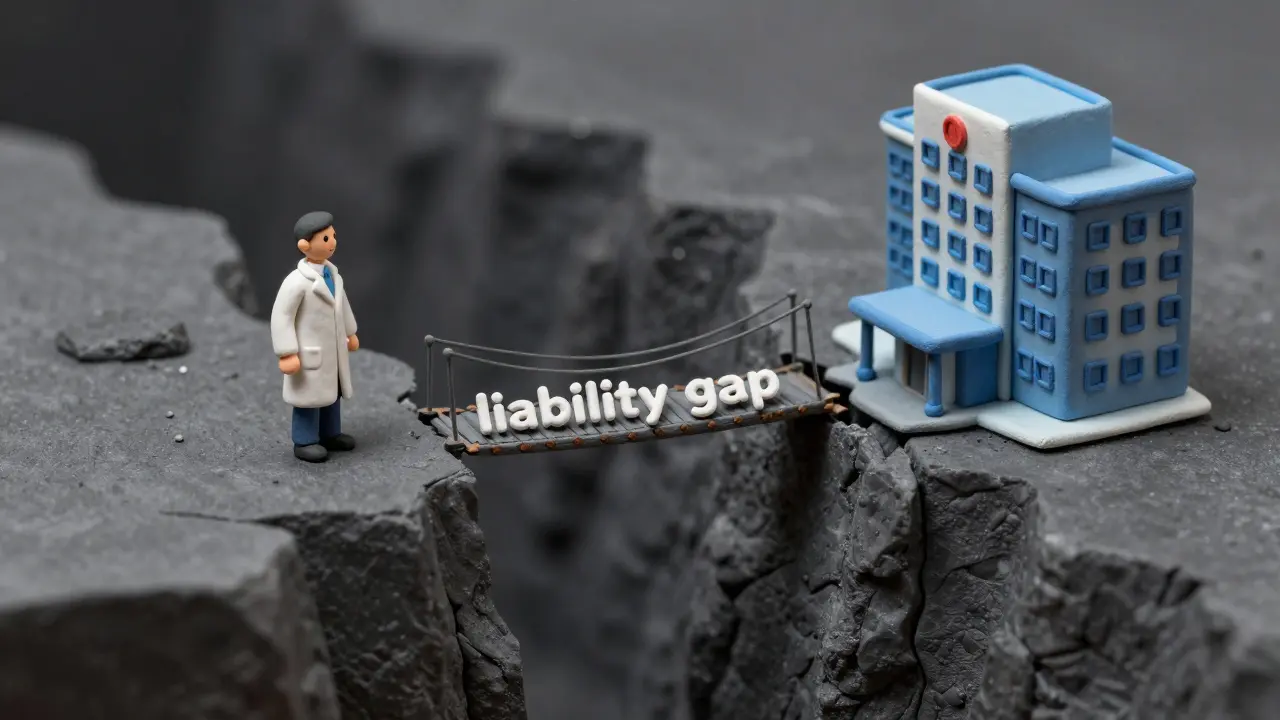
| Risk Factor | Legal Reality | Actionable Step |
|---|---|---|
| Manufacturer Immunity | Generic makers often can't be sued for label failures. | Increase patient counseling and documentation. |
| Substitution Laws | Pharmacists can swap brands unless specified otherwise. | Use "Dispense as Written" for high-risk drugs. |
| Liability Gap | Physicians are often the only "deep pocket" left. | Verify liability insurance coverage for generics. |
The Mensing/Bartlett Preemption: Why the Rules Changed
For decades, medical malpractice followed a simple path: did the provider meet the standard of care? However, the legal landscape shifted dramatically with two Supreme Court cases. First, PLIVA, Inc. v. Mensing (2011), followed by Mutual Pharmaceutical Co., Inc. v. Bartlett (2013), established what we now call the Mensing/Bartlett Preemption.
Essentially, the court ruled that generic manufacturers cannot unilaterally change their drug labels because federal law requires them to match the brand-name label exactly. Since they can't change the label, they can't be sued for failing to warn patients about new risks. While this sounds like a technicality for the companies, the real-world result is that patients injured by generics-like Karen Bartlett, who suffered permanent disfigurement after taking a generic version of Sulindac-have almost no one to sue but their doctor.
How Physician Liability is Actually Proven
If a patient decides to sue a provider over a generic drug reaction, the legal system doesn't just look at the drug; it looks at the doctor's behavior. To win a malpractice claim, a plaintiff generally has to prove three things: physician liability, which starts with a legal duty of care, a dereliction of that duty, and a direct cause of harm.
Duty is the easy part; if you have a patient-provider relationship, you have a duty. The fight happens at "dereliction." Did your choice of medication or your failure to warn the patient fall below the expected standard of care? For example, if you prescribe a generic that is known to cause drowsiness but don't warn the patient not to drive, and they crash, you could be held liable. This isn't about the drug's chemistry, but about your communication as a professional.
The Danger of Automatic Generic Substitution
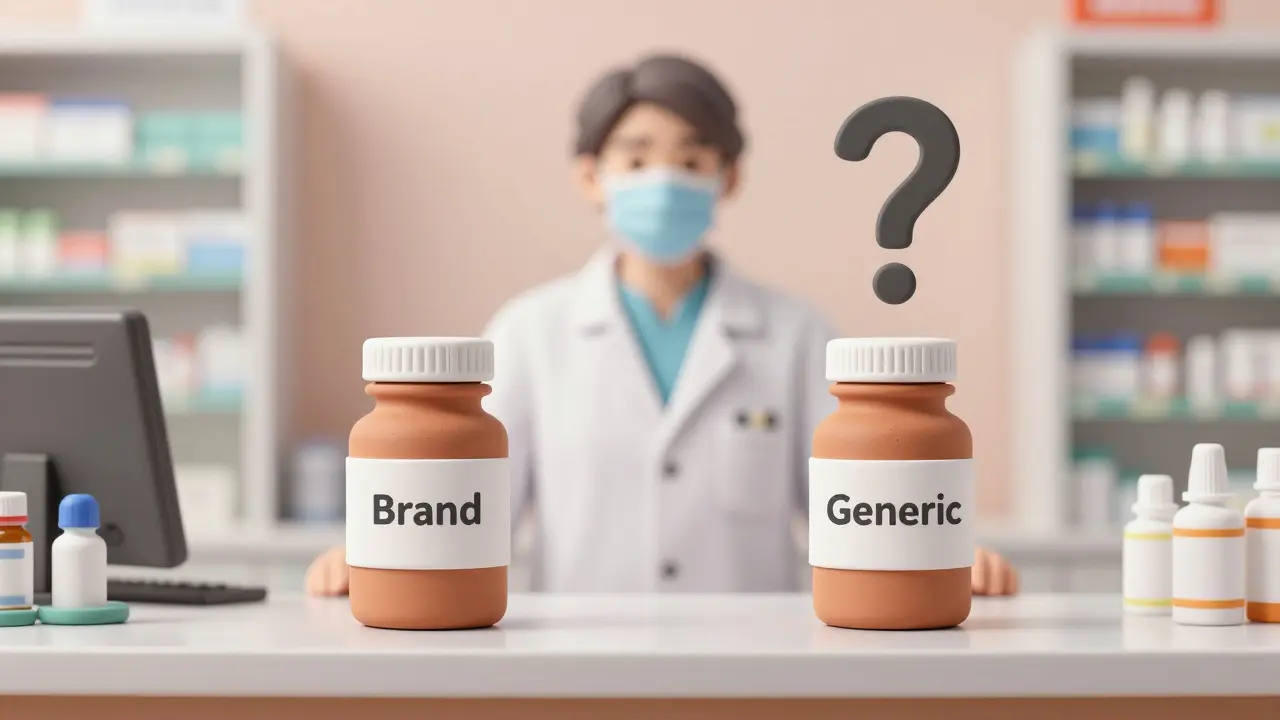
In 49 U.S. states, generic substitution laws allow pharmacists to swap a brand-name drug for a generic equivalent automatically. Unless you specifically write "dispense as written" or "do not substitute," the pharmacist has the green light to make the switch.
This creates a blind spot for providers. In 32 states, pharmacists are required to notify the doctor of a substitution within 72 hours, but in 17 states, there is no notification requirement at all. This means a patient could be taking a generic version of a drug you specifically chose for its brand-name stability, and you might never know. This is particularly dangerous for medications with a narrow therapeutic index-drugs where a tiny difference in dosage or absorption can lead to toxicity or treatment failure.
Comparing Brand-Name vs. Generic Risk Profiles
When you prescribe a brand-name drug, the manufacturer carries a massive amount of the legal risk. If they fail to warn about a side effect, the lawsuit goes toward their corporate legal team. But with generics, that shield vanishes.
Some states have tried to fight this. In Illinois, the case of Guvenoz v. Target Corp. showed a court rejecting the federal preemption, arguing that if a drug is inherently dangerous, the manufacturer should just stop selling it or change the formula. However, most states still follow the federal rule. This means your liability exposure is effectively higher when a generic is dispensed than when a brand-name is used, even if your prescribing action was identical.
Defensive Prescribing: The Real-World Impact
The fear of being the "only deep pocket" in a lawsuit is changing how medicine is practiced. A recent survey of 1,200 physicians found that 68% feel more anxiety about prescribing generics. Some doctors have even started prescribing brand-name drugs-despite the higher cost to the patient-just to shift the legal risk back to the manufacturer.
Others are adopting "defensive prescribing." This looks like adding 15 to 20 minutes to every patient visit just to provide exhaustive, written warnings about side effects. While this protects the doctor, it can lead to burnout and less time for actual diagnosis. The American Bar Association reported a 37% increase in physician-targeted lawsuits involving generic drugs between 2014 and 2019, proving that this isn't just theoretical anxiety-it's a trend in the courtroom.
Practical Strategies to Mitigate Your Risk
You don't have to stop prescribing generics to stay safe, but you do need to change how you document. Generic "medication discussed" notes in an electronic health record (EHR) are no longer enough. Data suggests that physicians who document specific discussions about generic substitution risks reduce their liability exposure by 58%.
Here are a few concrete steps to harden your legal defense:
- Use "Dispense as Written" (DAW): Use this for high-risk drugs like warfarin, levothyroxine, or certain anti-epileptics where a generic swap could be clinically significant.
- Specific Counseling Language: Instead of "warned patient," use specific phrases: "I have discussed potential side effects of [Drug Name], specifically [Side Effect], and advised the patient to avoid [Activity]."
- Leverage EHR Fields: If you use systems like Epic Systems Corporation, utilize the mandatory generic substitution counseling fields.
- Verify Insurance: Check if your professional liability insurer applies surcharges for generic authorizations and ensure your policy covers "failure to warn" claims that may now fall on you.
Can I be sued for a side effect if the generic manufacturer didn't list it on the label?
Yes. Because of the Mensing/Bartlett Preemption, you cannot sue the generic manufacturer for a "failure to warn" if the label matches the brand-name version. Consequently, patients often sue the physician, claiming the doctor had a duty to know and warn them of the risk regardless of what the label said.
What is a "narrow therapeutic index" and why does it matter for liability?
A narrow therapeutic index means there is a very small window between a dose that is effective and a dose that is toxic. For drugs like warfarin or certain anti-epileptics, a generic version might have slight variations in bioavailability. If a patient has a reaction due to this variation, the physician who allowed the substitution may be held liable for not specifying "dispense as written."
Does writing "do not substitute" completely eliminate my risk?
No. While it prevents the pharmacist from switching to a generic, you are still liable for the drug's effects and your duty to warn the patient about side effects. It only removes the specific risk associated with an unexpected generic swap.
Do all states treat generic liability the same way?
No. While federal preemption is the standard, some states like Illinois have seen court rulings that place more responsibility back on the manufacturers. However, you should assume the stricter federal standard applies unless you have specific legal counsel for your jurisdiction.
How often should I update my patient warning protocols?
Annually or whenever a major brand-name drug updates its safety label. Since generic manufacturers must follow the brand label, the brand update is your trigger to update your patient counseling and documentation for all patients on that medication, regardless of whether they take the generic.


