
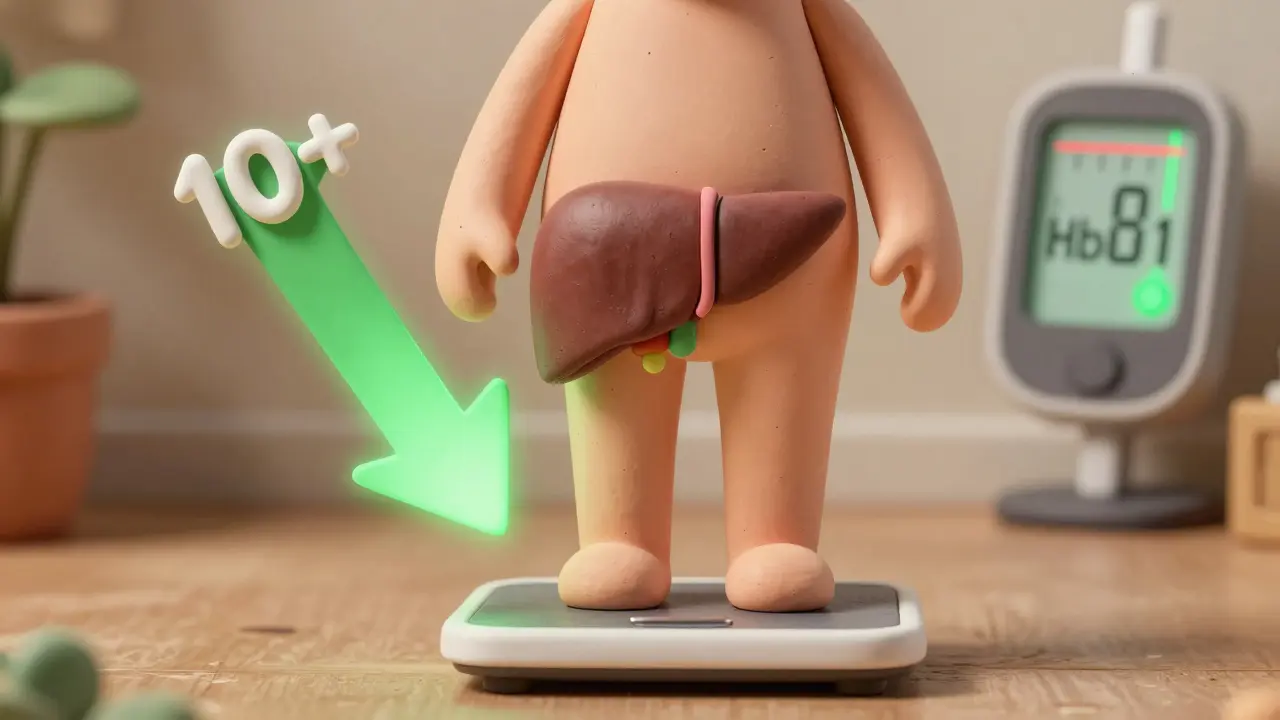
For millions of people with type 2 diabetes, the idea of living without daily pills or insulin shots isn’t just a dream-it’s becoming a real possibility. Not through magic, not through a miracle cure, but through something simpler and more powerful: weight loss.
What Does Remission Actually Mean?
Remission in type 2 diabetes isn’t the same as a cure. You don’t wake up one day and suddenly your body is back to how it was before you were diagnosed. Instead, remission means your blood sugar levels have stayed below the diabetes threshold-HbA1c under 6.5% (48 mmol/mol)-for at least three months without taking any diabetes medications. This definition wasn’t always clear. Before 2021, every study used different rules. Some called it remission if your sugar was normal even while on pills. Others didn’t care how you got there. That confusion made it hard for doctors to talk about it with patients. In 2021, major medical groups-the American Diabetes Association, the European Association for the Study of Diabetes, Diabetes UK, and the Endocrine Society-finally agreed on one standard. Now, if you’re not on meds and your HbA1c is under 6.5% for three months, you’re in remission. That’s it.How Much Weight Do You Need to Lose?
The biggest driver of remission is losing weight. Not a little. Not just enough to fit into your old jeans. You need to lose at least 10 kilograms (about 22 pounds), and often more. The DiRECT trial, one of the most important studies on this, followed people with type 2 diabetes who followed a structured weight loss program. Those who lost 10 kg or more had a 46% chance of going into remission after one year. That’s almost half. And the more weight they lost, the better their odds. People who lost 15 kg or more had a 86% chance of remission. It’s not just about the number on the scale. Losing weight reduces fat around your liver and pancreas. That fat blocks your pancreas from making insulin properly. When you lose it, your pancreas can start working again. Your liver gets better at handling sugar. Your body becomes sensitive to insulin again. It’s like hitting a reset button on your metabolism.Can You Stop Your Medications?
Yes-but only if you’ve lost enough weight and your blood sugar stays low without them. This is where many people get confused. If you’re taking metformin or another drug and your HbA1c drops to 6.0%, that’s not remission. That’s medication working. Remission only counts if you’ve stopped the meds and stayed under 6.5% for three months. That means you can’t just quit your pills cold turkey. You need to work with your doctor. They’ll monitor your blood sugar closely as you reduce or stop medications. If your levels start creeping up, you might need to go back on them. That’s not failure. It’s just how the body works. Some people worry that stopping meds means they’re giving up. But the opposite is true. Stopping meds because your body is healing is a win. It means you’ve changed your health from the inside out.Who Has the Best Chance?
Not everyone has the same odds. Remission is more likely if:- You’ve had type 2 diabetes for less than five years
- Your HbA1c was below 8% when you started your weight loss journey
- You’re not on insulin
- You’re younger, or at least not older than 65
- You’re able to stick with a diet and exercise plan

What Happens After You Reach Remission?
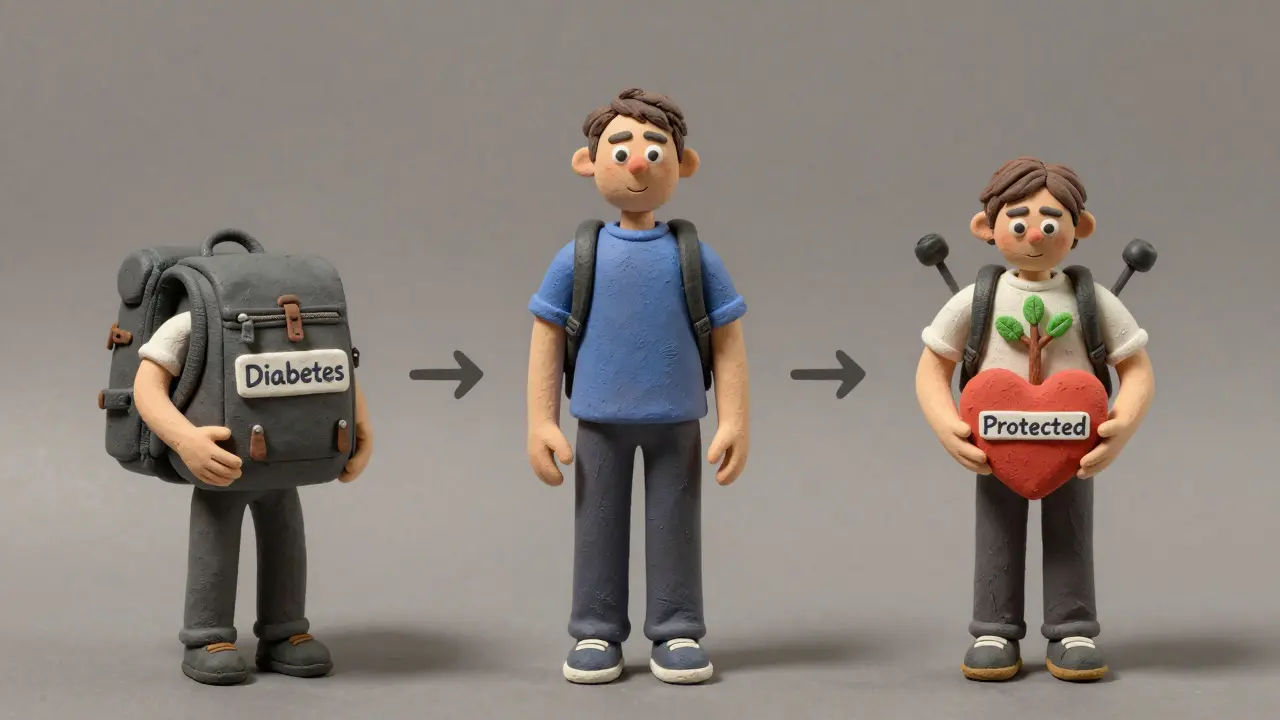
This is the part most people don’t talk about. Remission doesn’t mean you’re done. It means you’re in a new phase. The DiRECT study followed people for two years. After one year, 46% were in remission. After two years, that number dropped to 36%. Why? Because keeping weight off is hard. Life happens. Stress, holidays, work pressure, sleep loss-all of it can creep back the pounds. And with them, the blood sugar. That’s why ongoing monitoring matters. Even if you’re off meds, you still need to see your doctor once a year for an HbA1c test. You still need to watch your diet and stay active. You still need to avoid the habits that got you here in the first place. The good news? Even if your blood sugar rises again, you didn’t lose everything. Time spent in remission lowers your risk of heart disease, kidney damage, nerve problems, and vision loss. Every year you stay in remission is a year your body stays protected.Is Surgery an Option?
For some people, especially those with severe obesity, metabolic (bariatric) surgery is the most effective path to remission. The ARMMS-T2D trial showed that 37.5% of people who had this kind of surgery were in remission after three years. That’s less than DiRECT’s one-year rate, but it’s sustained over a much longer time. Surgery isn’t for everyone. It’s expensive, risky, and requires lifelong changes in eating habits. But for those who qualify, it’s one of the most powerful tools we have.What About Lifestyle Changes?
You don’t need surgery to get there. You don’t even need a fancy program. You need consistency. The most effective plans combine:- Very low-calorie diets (often under 800 calories a day for a short time)
- Replacing meals with nutritionally balanced shakes or soups
- Gradual reintroduction of real food, focused on vegetables, lean protein, and whole grains
- At least 150 minutes of walking or moderate exercise each week
- Regular check-ins with a dietitian or health coach
Remission Isn’t a Cure-And That’s Okay
Let’s be clear: you’re not cured. Your pancreas might be working better now, but the risk is still there. If you gain back the weight, your diabetes will likely come back. Your heart risk doesn’t vanish overnight. Your body still carries the memory of insulin resistance. But that doesn’t make remission less valuable. It makes it more powerful. You’ve proven you can take control. You’ve shown your body what it’s capable of. You’ve bought yourself years of better health, fewer medications, and less fear. As Dr. Matthew Riddle, who helped write the remission guidelines, says: "This isn’t the final answer. It’s a working hypothesis. We’ll learn more as we go."What Comes Next?
If you’re thinking about remission, start here:- Ask your doctor if you’re a candidate. They’ll check your HbA1c, how long you’ve had diabetes, and whether you’re on insulin.
- Get connected with a dietitian who specializes in diabetes reversal.
- Set a realistic weight loss goal-start with 5% of your body weight.
- Track your progress with regular HbA1c tests, not just daily blood sugar checks.
- Plan for long-term maintenance before you even start.
What If Remission Doesn’t Happen?
Not everyone will reach it. And that’s okay. Losing weight-even if you don’t hit remission-still cuts your risk of heart disease, stroke, and kidney damage. Staying active, eating better, and managing stress improve your life no matter what your HbA1c says. Remission is a goal. Not a requirement. You’re still winning if you’re healthier than you were a year ago.Can type 2 diabetes be reversed without losing weight?
No. Weight loss is the only proven way to achieve remission. While exercise and diet help control blood sugar, only significant weight loss-typically 10 kg or more-has been shown to restore normal insulin function and allow people to stop medications. There are no pills, supplements, or alternative therapies that reliably reverse type 2 diabetes without weight loss.
How long does it take to go into remission after losing weight?
Most people see their blood sugar drop within weeks of starting a weight loss plan. But remission isn’t confirmed until HbA1c stays below 6.5% for at least three months without any diabetes medications. That usually takes 3 to 6 months, depending on how much weight you lose and how long you’ve had diabetes.
Do I still need to see my doctor if I’m in remission?
Yes. Even if you’re off all medications, you still need annual HbA1c tests and regular check-ups for complications like eye, kidney, and nerve damage. Remission doesn’t erase your history of diabetes. Your risk for heart disease and other problems remains higher than someone who never had it.
Can I drink alcohol or eat carbs again if I’m in remission?
You can, but with caution. Alcohol can lower blood sugar and interfere with weight loss. Carbs aren’t off-limits, but refined carbs (white bread, sugar, pastries) quickly raise blood sugar and make weight maintenance harder. Focus on whole grains, vegetables, and fiber-rich foods. Portion control still matters-even in remission.
Is remission possible if I’m over 65?
Yes, but it’s harder. Older adults often have less muscle mass, slower metabolism, and more long-term damage to the pancreas. Still, studies show people over 65 can achieve remission with weight loss, especially if they’ve had diabetes for less than five years and aren’t on insulin. The key is safety-work with your doctor to avoid muscle loss and ensure your plan is sustainable.
What if my diabetes comes back after remission?
It’s common. About 60% of people who reach remission see their blood sugar rise again within five years. That doesn’t mean you failed. It means you need to recommit. Many people go back into remission after a second round of weight loss. The longer you’ve been in remission, the easier it is to get back on track. Your body remembers how to work properly.


