

Sertraline GI Side Effects Management Planner
Symptom Assessment
SSRI Comparison
| Medication | GI Risk |
|---|---|
| Sertraline (Zoloft) | Higher |
| Fluoxetine (Prozac) | Moderate |
| Escitalopram (Lexapro) | Lower |
| Paroxetine (Paxil) | Lower |
Quick Facts
- 25-30% of patients experience GI side effects
- 87% see improvement within 4-6 weeks
- 35-40% reduction in nausea by taking with food
- 45% faster resolution with dietary changes
Starting a new antidepressant can feel like walking a tightrope. You’re hoping for mental clarity and mood stability, but your body might be throwing curveballs-specifically in your stomach. If you’ve recently started taking Sertraline, also known by its brand name Zoloft, you are not alone if you’re dealing with nausea or diarrhea. These gastrointestinal (GI) side effects are among the most common complaints patients face during the initial weeks of treatment.
Here is the reality check: Sertraline is a highly effective selective serotonin reuptake inhibitor (SSRI), but it comes with a higher probability of digestive issues compared to some other options. Research shows that about 25% to 30% of patients experience these symptoms when they first start the medication. The good news? For the vast majority of people, these side effects are temporary. They usually fade as your body adjusts. However, knowing how to manage them actively can make the difference between sticking with a life-changing medication and quitting prematurely.
Why Sertraline Upsets Your Stomach
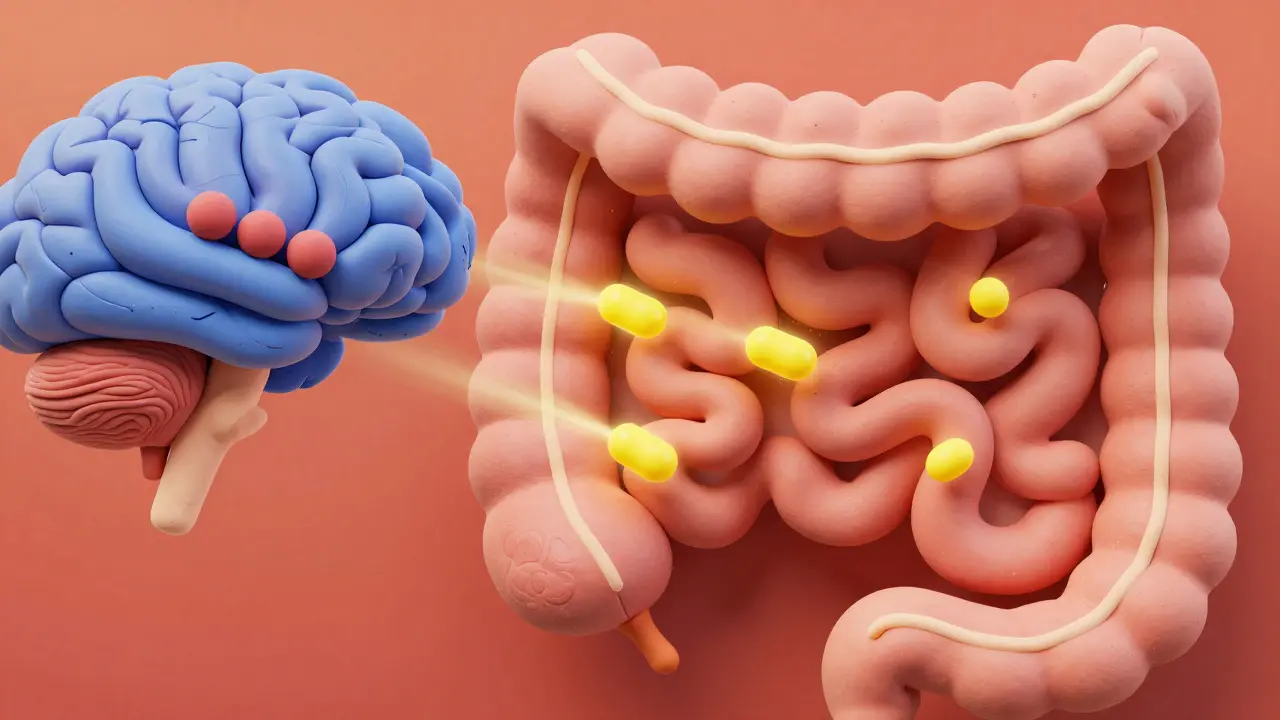
To understand why your gut reacts so strongly to sertraline, we need to look at how serotonin works. Most people think of serotonin as a "happy chemical" in the brain. But here’s the twist: about 95% of your body’s serotonin receptors are actually located in your gastrointestinal tract.
Sertraline works by blocking the reuptake of serotonin, keeping more of it available in your system. While this boosts mood in the brain, it simultaneously stimulates serotonin receptors in your gut. This stimulation accelerates intestinal motility (how fast food moves through your system) and alters fluid secretion. The result? Faster digestion, which manifests as diarrhea, and increased sensitivity in the stomach lining, leading to nausea.
A 2022 network meta-analysis published in PMC by Wang et al. highlighted this specific vulnerability. Among five commonly prescribed SSRIs, sertraline had the highest probability of causing digestive side effects, with a score of 0.611. That makes it roughly 11.5% more likely to cause GI issues than the SSRI with the lowest risk profile in the study. Understanding this mechanism helps you realize that your reaction isn’t a sign that something is wrong with you-it’s just how the drug interacts with your biology.
Immediate Strategies for Nausea Relief
Nausea is often the first hurdle. It can range from a mild queasiness to a persistent feeling of needing to vomit. Fortunately, simple behavioral changes can significantly reduce its intensity.
- Take it with food: Never take sertraline on an empty stomach. The NHS and clinical guidelines consistently recommend taking the medication with or immediately after a meal. A 2022 study in the Journal of Clinical Psychiatry found that this simple adjustment reduced nausea incidence by 35-40%. Opt for bland, easy-to-digest foods like crackers, toast, or rice rather than heavy, fatty meals.
- Try ginger: Ginger is a proven natural anti-nausea agent. A 2021 randomized controlled trial published in the Journal of Psychopharmacology showed that ginger-containing products were 27% more effective than placebo in reducing nausea severity. Sip on ginger tea or chew on ginger candies throughout the day.
- Split your dose: If you are on a higher dose, ask your doctor if you can split it. Taking half in the morning and half in the evening can prevent a sudden spike in serotonin levels that triggers nausea. However, always consult your prescriber before changing how you take your medication.
- Suck on sugarless hard candy: This sounds minor, but it helps keep saliva flowing and soothes the throat, which can mitigate the gag reflex associated with nausea.
Managing Diarrhea and Loose Stools
Diarrhea affects at least 10% of people starting sertraline, according to the Therapeutic Goods Administration (TGA) of Australia. Unlike nausea, which you can sometimes suppress, diarrhea requires careful hydration and dietary management to prevent dehydration and electrolyte imbalance.
| Action | Why It Helps | Specific Examples |
|---|---|---|
| Avoid Irritants | Reduces gut stimulation and inflammation | Caffeine, alcohol, spicy foods, deep-fried items |
| Eat Binding Foods | Adds bulk to stool and slows transit time | Bananas, white rice, applesauce, toast (BRAT diet) |
| Hydrate Strategically | Replaces lost fluids and electrolytes | Oral rehydration solutions, clear broths, water with lemon |
| Limit High-Fat Foods | Fat accelerates gastric emptying, worsening diarrhea | Avoid creamy sauces, fried meats, full-fat dairy |
A 2020 study in the journal Gut found that adhering to these dietary modifications resulted in 45% faster resolution of diarrhea symptoms. Be patient; your gut needs time to recalibrate. Most patients see significant improvement within 2 to 4 weeks.
When to Worry: Red Flags and Microscopic Colitis
While occasional loose stools are common, persistent or severe diarrhea warrants attention. There is a specific condition called Microscopic colitis, a type of inflammatory bowel disease, that has been linked to long-term sertraline use. Medical News Today and the TGA have issued updates warning that if diarrhea persists for several weeks despite dietary changes, it could indicate this condition.
Watch for these red flags:
- Diarrhea lasting longer than 4 weeks without improvement.
- Bloody or black stools.
- Severe abdominal pain or cramping that doesn’t resolve.
- Signs of dehydration (dark urine, dizziness, dry mouth).
If you experience any of these, contact your doctor immediately. The American College of Gastroenterology advises considering discontinuation of sertraline and evaluation for microscopic colitis if diarrhea persists beyond four weeks. Do not stop your medication abruptly without medical guidance, as this can cause withdrawal symptoms.
Clinical Management: Dose Adjustment and Switching
If lifestyle changes don’t cut it, your healthcare provider has several clinical tools to help. The American Psychiatric Association’s 2023 guidelines suggest a stepwise approach.
- Dose Reduction: If nausea persists beyond 2-3 weeks, your doctor might lower your dose to 25-50mg daily and then gradually increase it over 4-6 weeks. This allows your body to adapt slowly to the serotonin changes.
- Switch Medications: If GI side effects remain problematic after 2 weeks, switching to an alternative SSRI with better tolerability is a valid option. Escitalopram (Lexapro) is often preferred because studies show it has a lower risk of GI distress. A 2023 report in the Journal of Clinical Psychiatry noted that 34.7% of primary care physicians now prefer escitalopram as a first-line treatment specifically due to its gentler GI profile.
- Adjunctive Treatments: In some cases, doctors may prescribe short-term anti-nausea medications (like ondansetron) to bridge the gap until your body adjusts. This is less common but can be helpful for severe cases.
It’s important to note that while sertraline has a higher GI side effect profile, it is still one of the most prescribed antidepressants globally, with 38 million prescriptions filled in the US in 2022. Many patients find that the benefits outweigh the temporary discomfort. The key is proactive management rather than passive suffering.

Real-World Insights: What Other Patients Say
Data from clinical trials is valuable, but real-world experiences offer practical nuances. On Reddit’s r/SSRI community, a popular thread titled "Sertraline nausea survival guide" gathered hundreds of comments. Key takeaways from users included:
- Timing matters: 72% of respondents found relief by taking the medication with a full meal containing protein, not just carbs.
- Ginger is king: 41% reported ginger tea as particularly effective, corroborating clinical studies.
- Persistence pays off: 89% experienced nausea initially, but 68.3% reported improvement within 14 days according to Drugs.com review analysis.
One user shared, "I almost quit on day three because I couldn’t keep anything down. My doctor told me to switch to taking it right after dinner with a bowl of oatmeal. By day ten, the nausea was gone." Stories like this highlight the importance of small adjustments and patience.
Future Directions and Genetic Factors
Science is constantly evolving to address these side effects. Current research, including the SERTRAL-2025 study by the International Society for Serotonin Research, is investigating genetic factors that influence susceptibility. Preliminary data suggests that variants in the HTR3A gene may predict up to 37% of the variance in nausea severity. This means that in the near future, pharmacogenetic testing could help determine who will tolerate sertraline well and who might need an alternative from the start.
Additionally, new drugs are in development. Phase II trials of TD-8142, a gut-selective serotonin modulator, showed a 62% reduction in GI side effects compared to standard sertraline while maintaining antidepressant efficacy. While these treatments aren’t widely available yet, they signal a shift toward more targeted therapies that spare the gut.
How long does sertraline-induced nausea last?
For most patients, nausea peaks within the first week and begins to subside after 2-3 weeks. Clinical data indicates that 87% of patients experience symptom resolution within 4-6 weeks as their body adjusts to the medication. If nausea persists beyond this period, consult your doctor for dose adjustment or alternative treatments.
Can sertraline cause chronic diarrhea?
While occasional loose stools are common, chronic diarrhea lasting more than 4 weeks is not typical and may indicate a condition like microscopic colitis. If diarrhea persists despite dietary changes, seek medical evaluation to rule out inflammatory bowel diseases linked to sertraline use.
Should I stop taking sertraline if I have stomach issues?
Do not stop abruptly. Sudden discontinuation can cause withdrawal symptoms. Instead, try managing symptoms with food, ginger, and hydration. If side effects are severe or persist beyond 2-3 weeks, contact your healthcare provider. They may adjust your dose or switch you to a different antidepressant like escitalopram.
What foods should I avoid while taking sertraline?
Avoid foods that irritate the gut or accelerate digestion. This includes caffeine, alcohol, spicy foods, high-fat or deep-fried items, and very sugary foods. Stick to bland, binding foods like bananas, rice, applesauce, and toast to help firm up stools and reduce nausea.
Is there an SSRI with fewer GI side effects than sertraline?
Yes. Studies show that escitalopram and paroxetine generally have lower odds of causing GI side effects compared to sertraline. Fluoxetine also tends to have a slightly better GI profile. If sertraline causes intolerable stomach issues, discuss switching to one of these alternatives with your doctor.
