
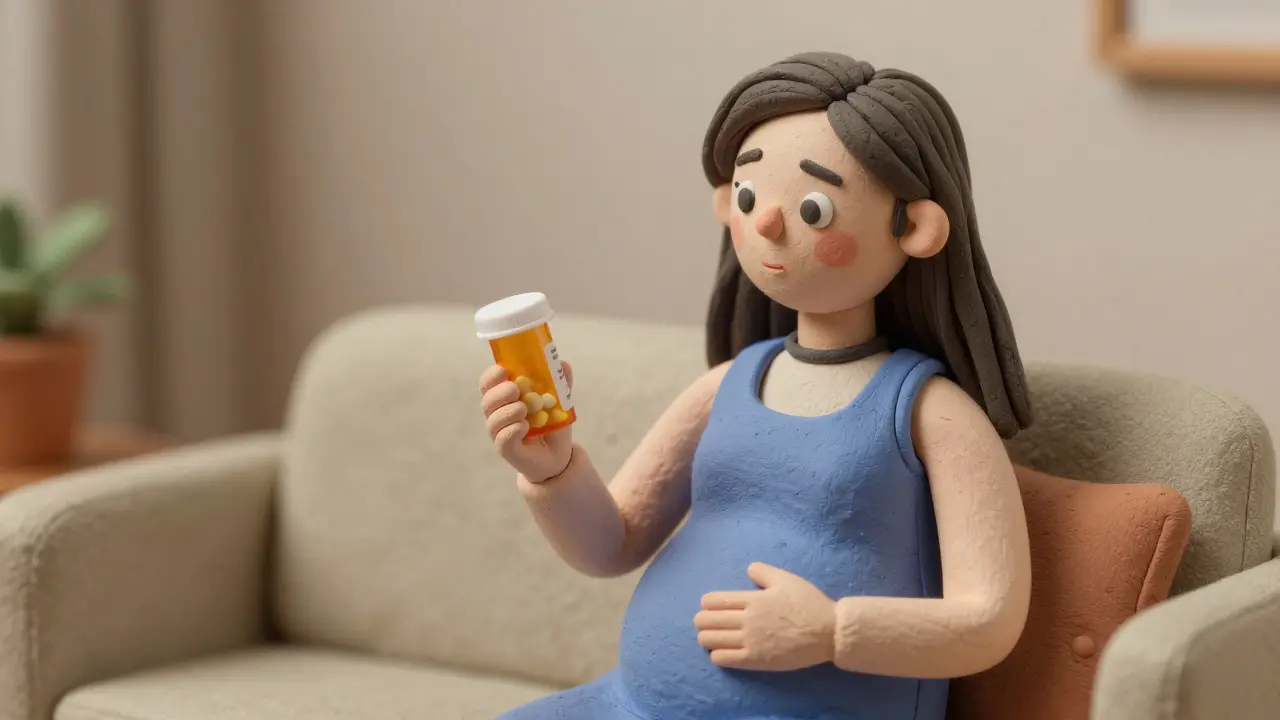
You're staring at a prescription bottle, and the pharmacy just told you they've substituted your brand-name medication for a generic version. If you're pregnant, that tiny change can feel like a huge deal. You start wondering: Is the "cheap" version actually the same? Does it affect the baby differently? You aren't alone-about 42% of expectant mothers express initial concerns about using generic drugs, according to MotherToBaby data.
The short answer is that for the vast majority of people, generics are a safe and effective choice. But the "why" matters. Understanding how these drugs are tested and regulated can take the stress out of your next pharmacy visit. Let's look at the actual data and how the safety profiles work when you're expecting.
The Truth About Bioequivalence
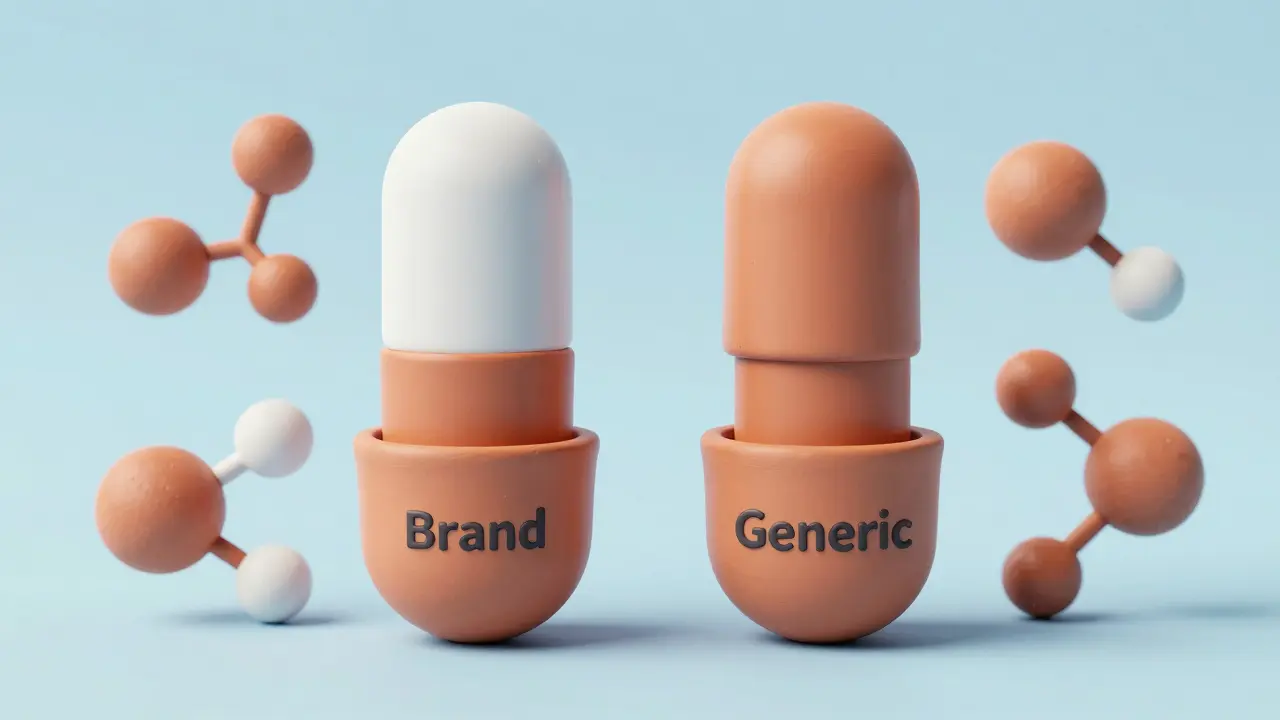
To understand why generics are considered safe, we have to talk about how they are made. In the eyes of the FDA, a generic drug isn't just a "similar" version; it's designed to be therapeutically equivalent. This means the generic must have the same active ingredient, strength, dosage form, and route of administration as the brand name.
The gold standard here is bioequivalence. For a generic to be approved, it must prove that the active ingredient reaches the bloodstream at a rate and extent similar to the brand name-usually within a range of 80% to 125%. Since the active pharmaceutical ingredient (API) is identical, the way the drug interacts with your body and the developing fetus remains the same.
Think of it like buying organic flour versus store-brand flour. The "active ingredient" (flour) is exactly the same; only the packaging and a few trace additives differ. For most pregnancy-related needs, this distinction doesn't change the health outcome for the baby.
Where Brand and Generic Safety Meet
One of the biggest misconceptions is that generics have different safety warnings than brand names. That's not how it works. Under federal regulations, all generics must carry the same pregnancy warnings as their brand-name counterparts. If a brand-name drug gets a safety update, the generic manufacturers have just 30 days to update their labels too.
Back in the day, the FDA used a letter system (Categories A, B, C, D, and X) to rank risk. While those are gone now, replaced by the Pregnancy and Lactation Labeling Rule (PLLR), the core data remains the same. Whether you take brand-name acetaminophen or the generic version, the safety profile is identical because the molecule doing the work is the same.
| Feature | Brand-Name | Generic Version |
|---|---|---|
| Active Ingredient | Same | Same |
| Safety Profile/Warnings | Standard | Identical to Brand |
| Bioequivalence Range | Reference Point | 80-125% (Standard) |
| Inactive Ingredients | Specific Formula | May vary (fillers/colors) |
| FDA Approval Process | New Drug Application | ANDA (Abbreviated) |
The "Narrow Window" Exception
While most generics are interchangeable, there are a few cases where your doctor might be pickier. This usually happens with drugs that have a "narrow therapeutic index." This is a fancy way of saying that a tiny change in the dose can lead to either the drug not working or becoming toxic.
A classic example is levothyroxine, used to treat hypothyroidism. Because thyroid hormones are so critical for fetal brain development, the FDA tightened the rules in 2012. Instead of the usual 80-125% range, levothyroxine generics must fall within a much tighter 90-112% range. If you're taking this medication, your doctor might prefer you stay on one specific manufacturer's version to avoid small fluctuations in your hormone levels.
Why does this matter? Untreated or poorly managed hypothyroidism can increase the risk of miscarriage by 61% and preterm delivery by 39%. It's not that generics are "unsafe," but that consistency is the priority here.
Addressing the "Inactive Ingredient" Concern
If the active drug is the same, why do some women feel different on generics? The answer lies in the excipients-the inactive ingredients like binders, fillers, and dyes. While these don't change the drug's primary function, they can affect how some people feel.
For instance, in a survey of pharmacists, about 32% reported that patients had varying experiences with different generic manufacturers of medications like ondansetron (used for nausea). Some women might find a generic version of a prenatal vitamin causes more nausea than the brand name, while others find the opposite. This isn't usually a safety issue for the baby, but rather a matter of how your specific body reacts to the fillers during the sensitive first trimester.
It's also worth noting that pregnancy changes your body. Your gastrointestinal motility slows down and your blood volume increases. In very rare cases, these changes could theoretically make you more sensitive to a specific filler, but current clinical evidence doesn't suggest this changes the overall safety of generics.
High-Risk Medications and Strict Controls
For medications that are known to be dangerous during pregnancy, the rules are iron-clad regardless of whether the drug is generic or branded. Take isotretinoin (formerly known as Accutane) as an example. Because of the severe birth defect risks, every single version of this drug-generic or not-is managed through the iPLEDGE program.
This program requires monthly pregnancy tests and mandatory registration. Data from the FDA's Adverse Event Reporting System (FAERS) shows no significant difference in pregnancy-related adverse events between the brand and generic versions of this high-risk drug. The safety protocols are the same because the risk is tied to the molecule, not the manufacturer.

Practical Tips for Expectant Mothers
If you're feeling anxious about your medications, you don't have to just "hope for the best." There are concrete steps you can take to ensure you're getting the best care:
- Ask about the manufacturer: If you find that one generic brand makes you feel sick but another doesn't, ask your pharmacist to note the specific manufacturer (the "NDC number") on your profile.
- Be consistent: Once you start a generic that works well, try to stick with that same manufacturer's version throughout your pregnancy.
- Avoid compounded drugs: Unlike FDA-approved generics, compounded medications are custom-mixed. Most guides, including those from the University of North Carolina, advise avoiding these during pregnancy unless there is no other option.
- Consult a specialist: If you're unsure, services like MotherToBaby provide evidence-based answers specifically for pregnancy and medication exposures.
Do generic prenatal vitamins have the same nutrients as brand names?
Yes, they provide the same essential nutrients. However, because vitamins use different fillers and coatings, some women report more nausea with generic versions, while others prefer them. The nutritional value remains the same if they are FDA-compliant.
Can I switch from brand to generic mid-pregnancy?
For most medications, yes. However, if you are taking a drug for a critical condition (like hypothyroidism or epilepsy), you should consult your doctor first to ensure your levels remain stable during the transition.
Are generics safe for managing gestational diabetes?
Yes. Case studies have shown that medications like generic metformin are successful in managing gestational diabetes with no difference in pregnancy outcomes compared to the brand-name version.
Why do some doctors prefer brand-name drugs during pregnancy?
Usually, it's not about the safety of the drug itself, but about consistency. For medications with a narrow therapeutic window, doctors want to ensure there are no fluctuations in dosage that could occur when switching between different generic manufacturers.
What happens if a brand-name drug is found to be unsafe during pregnancy?
The FDA requires that all generic versions update their safety warnings within 30 days of a brand-name update. This ensures that the safety information you receive is current, regardless of which version you take.
Next Steps and Troubleshooting
If you are currently taking a medication and aren't sure if it's generic or brand name, check the packaging for phrases like "Substitute for..." or the absence of a well-known brand logo. If you experience new side effects after a pharmacy switch, document the date and the specific generic brand used. Bring this list to your OB-GYN to determine if the filler is causing the issue or if it's a standard pregnancy symptom.
For those managing chronic conditions, a quick rule of thumb: if your blood work (like TSH for thyroid or A1C for diabetes) stays stable, your generic is doing its job. If you see a sudden swing in your levels after a prescription refill, that's the time to ask your doctor about switching back to the brand name or a different generic manufacturer.


