
Anticholinergic Burden (ACB) Calculator
How to use: Select the medications you are currently taking. This tool calculates your cumulative score based on the ACB Scale. Disclaimer: This is an educational tool, not a medical diagnosis. Always consult a healthcare professional before changing medications.
Total ACB Score
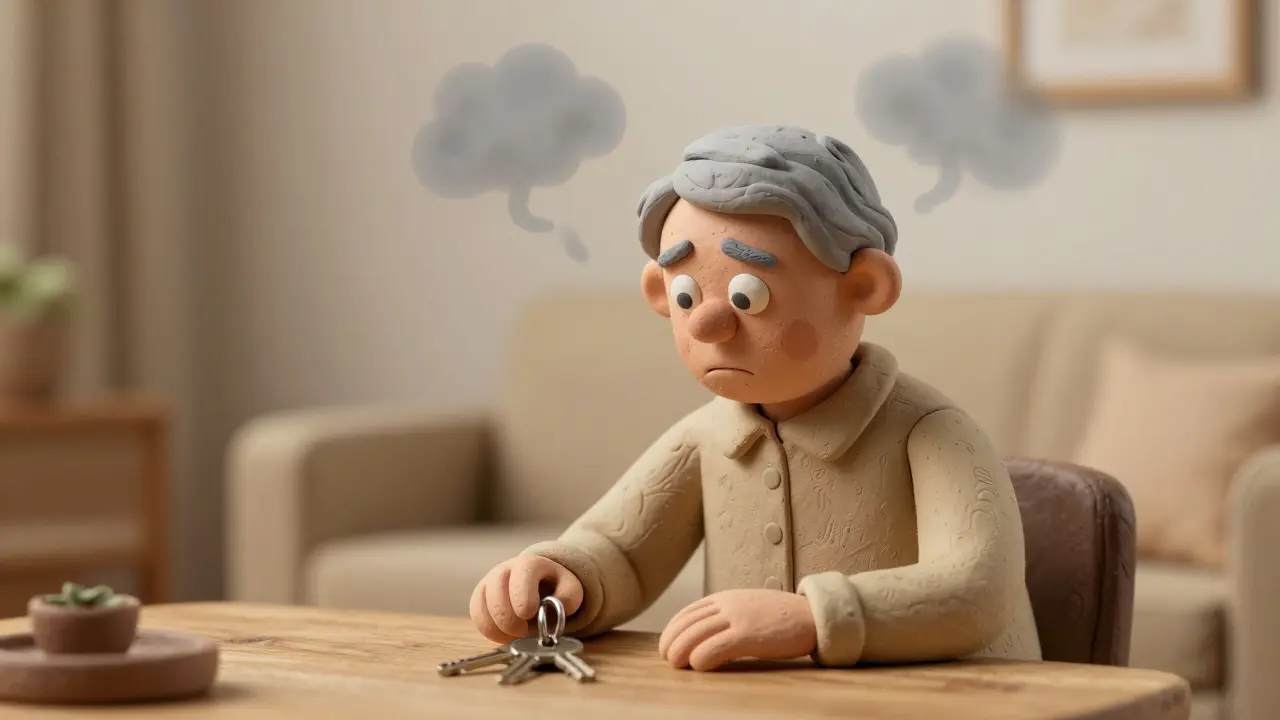
Imagine taking a medication to help with your mood or chronic pain, only to find that you're suddenly struggling to remember where you left your keys or feeling your heart skip a beat. For many, this isn't just a sign of aging-it's a side effect of a specific class of drugs. Tricyclic Antidepressants is a group of medications first introduced in 1959, such as imipramine, that treat depression and neuropathic pain by modulating serotonin and norepinephrine. While they are powerful tools, they carry a heavy "anticholinergic burden" that can mimic dementia or stress the heart, creating a precarious balance between mental health benefits and physical risks.
Quick Guide: Key Takeaways
- What it is: Anticholinergic burden is the cumulative effect of drugs that block acetylcholine, a key neurotransmitter for memory and muscle control.
- The Risk: High scores on the Anticholinergic Cognitive Burden (ACB) scale are linked to a 54% higher risk of dementia.
- Cardiac Warning: TCAs can prolong the QT interval, potentially leading to dangerous heart arrhythmias.
- Modern Alternatives: SSRIs generally have much lower anticholinergic activity and are usually the first choice for depression.
- Action Step: If you're over 50 and taking TCAs, a structured medication review is essential to assess your total burden.
The Hidden Cost of Blocking Acetylcholine
To understand why these drugs are risky, we have to look at how they work. Your brain uses a chemical called acetylcholine to handle things like learning, memory, and basic muscle functions. Anticholinergic Burden happens when a medication blocks these receptors. While anticholinergic burden might sound like a technical term, in real life, it looks like severe dry mouth, constipation, and a "foggy" brain.
TCAs are particularly potent in this regard. Unlike newer antidepressants, they don't just target one or two chemicals; they hit several receptors, including the muscarinic acetylcholine receptors. When you block these, you're essentially cutting off the communication lines your brain uses to keep you sharp. For a young person, this might just be an annoyance. For someone over 65, it can be the difference between independent living and a misdiagnosis of Alzheimer's.
Measuring the Risk: The ACB Scale
Doctors don't just guess the risk; they use specific tools. The most common is the Anticholinergic Cognitive Burden (ACB) Scale, which assigns a score from 1 to 3 based on how strongly a drug blocks acetylcholine. A score of 1 means possible activity, while 3 means definite high activity.
Here is the catch: these scores are cumulative. If you take a TCA (score 3) and also use an over-the-counter sleep aid like diphenhydramine (score 3), your total burden jumps to 6. Research shows that once your total score hits 3 or more, your risk of cognitive decline spikes. In fact, a study tracking over 3,000 older adults found that those with a high burden had a 54% higher risk of developing dementia over seven years.
| Medication Class | Typical ACB Score | Common Examples | Cognitive Risk Level |
|---|---|---|---|
| Tricyclic Antidepressants | 3 | Amitriptyline, Nortriptyline | High |
| SSRIs | 0 - 1 | Sertraline, Escitalopram | Low |
| SNRIs | 0 - 1 | Duloxetine, Venlafaxine | Low |
| 1st Gen Antihistamines | 3 | Chlorphenamine | High |

Cardiac Risks: More Than Just a Racing Heart
The danger isn't limited to the brain. TCAs have a significant impact on the heart's electrical system. Specifically, they can cause QT Interval Prolongation, which means the heart takes longer than normal to recharge between beats. This can lead to a life-threatening arrhythmia.
Think of TCAs as acting similarly to certain antiarrhythmic drugs (Class 1A). They can decrease the heart's pumping power by about 15-20% while simultaneously making the heart muscle more "irritable." This is why someone on amitriptyline might experience sudden palpitations or dizziness. In severe cases, especially in overdoses, the QRS duration can increase by up to 50%, which is a medical emergency. When you compare them to Sertraline (a common SSRI), amitriptyline is nearly three times more likely to cause this kind of heart rhythm disruption.
The "Pseudo-Dementia" Trap
One of the most frustrating aspects of high anticholinergic burden is how it tricks doctors. Because the symptoms-confusion, short-term memory loss, and disorientation-look exactly like dementia, many patients are misdiagnosed. This is often called "pseudo-dementia."
Clinicians on forums like r/psychiatry have noted cases where patients were convinced they had Alzheimer's, only to find that their cognitive function returned once they tapered off their TCAs. However, there is a dark side: some studies suggest that if the burden is high enough and lasts long enough, the cognitive damage might become irreversible, even after the drug is stopped. This makes the timing of a medication review critical.

When are TCAs Still the Right Choice?
Given these risks, why do we still use them? The truth is, TCAs are incredibly effective for certain things. For people with severe, treatment-resistant depression or debilitating neuropathic pain, TCAs can be a lifesaver when nothing else works.
The key is the "risk-benefit profile." For a 30-year-old with severe chronic pain, the risk of dementia is a distant concern compared to the immediate need for pain relief. But for an 80-year-old, the risk of a fall due to confusion or a cardiac event far outweighs the benefit. This is why the Beers Criteria-a gold standard for geriatric care-now strongly advises avoiding TCAs in adults over 65 unless every other option has failed.
How to Safely Reduce Your Burden
If you or a loved one are taking a TCA and are concerned about cognitive or cardiac health, do not stop the medication abruptly. Doing so can cause severe withdrawal symptoms. Instead, follow a structured deprescribing plan:
- Calculate the Total Score: Use an ACB calculator to add up every medication you take, including over-the-counter pills like Nytol or Piriton.
- Consult a Specialist: Work with a doctor to see if an SNRI (like duloxetine) could replace the TCA, as these often provide similar pain relief with an ACB score of 0 or 1.
- Slow Tapering: Gradually reduce the dose over 4 to 8 weeks. This allows the brain and heart to adjust slowly.
- Monitor Progress: Keep a log of cognitive changes. Many patients see an improvement in mental clarity within six months of stopping high-burden drugs.
Can stopping TCAs actually reverse memory loss?
In many cases, yes. If the cognitive impairment was caused by the drug blocking acetylcholine (pseudo-dementia), the symptoms often improve as the drug leaves the system. However, some long-term research suggests that very high burdens over many years may cause permanent changes to the brain, meaning recovery might not be total.
Why are TCAs riskier for the heart than SSRIs?
TCAs interfere with the sodium and potassium channels in the heart, which slows down the electrical conduction (prolonging the QT interval). SSRIs generally do not have this potent effect on cardiac ion channels, making them much safer for people with existing heart conditions.
What is the safest TCA for someone over 60?
Generally, nortriptyline is considered slightly safer than amitriptyline because it has lower anticholinergic potency. However, both still carry an ACB score of 3, meaning they are both high-risk. The safest option is usually to switch to a different class of medication, like an SNRI or SSRI, if appropriate.
Do over-the-counter meds contribute to this burden?
Absolutely. Common allergy meds (like chlorphenamine) and some sleep aids are highly anticholinergic. If you are taking a TCA, adding these "simple" over-the-counter drugs can push your total ACB score into the danger zone, significantly increasing the risk of confusion and falls.
What are the first signs that a TCA is affecting my brain?
The early red flags usually include increased forgetfulness, difficulty concentrating, a feeling of being "mentally slow," and physical symptoms like extreme dry mouth or blurred vision. If these appear shortly after starting the medication or increasing the dose, it's time for a medical review.


