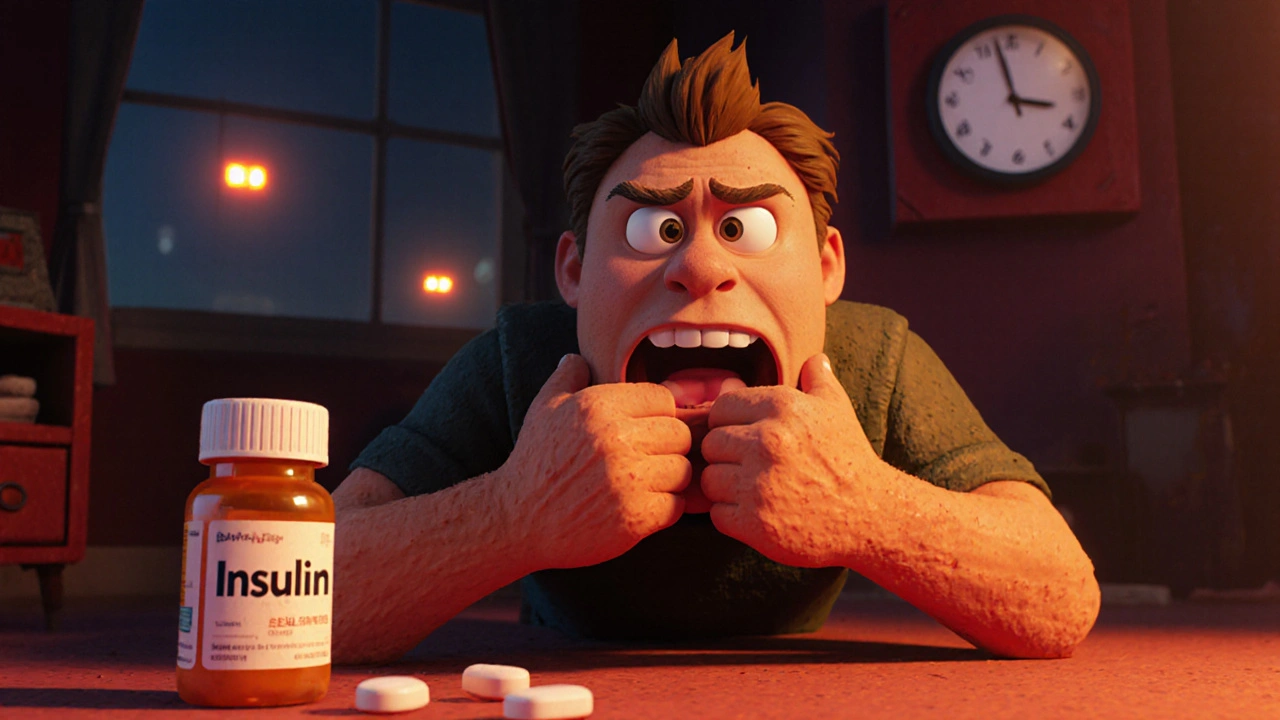
Stevens-Johnson Syndrome: Causes, Triggers, and What to Do Next
When your body overreacts to a medication, it can turn deadly. Stevens-Johnson Syndrome, a severe and life-threatening skin reaction usually caused by drugs. Also known as SJS, it starts like a flu but quickly turns into painful blisters and peeling skin—sometimes over half your body. This isn’t just a rash. It’s a medical emergency that often lands people in the ICU. And while it’s rare, it’s not random. Most cases link back to a specific drug—antibiotics, anti-seizure meds, or painkillers like ibuprofen or naproxen.
What makes it so dangerous is how fast it spreads. One day you have a fever and sore throat; the next, your skin is blistering and coming off. It’s not an allergy in the usual sense—it’s a toxic reaction where your immune system attacks your own skin and mucous membranes. That’s why it’s often mistaken for an infection or a bad sunburn. Drug-induced reactions, a category of adverse responses triggered by medications. Also known as adverse drug reactions, they range from mild rashes to full-blown SJS or its more severe cousin, toxic epidermal necrolysis (TEN). The same drug that helps one person can trigger this in another—no warning, no pattern. Genetics play a role too. Some people carry a gene variant (like HLA-B*15:02) that makes them far more vulnerable, especially with certain drugs like carbamazepine.
Once SJS hits, stopping the drug is step one. But that’s not enough. You need hospital care—fluids, pain control, wound management, and sometimes burn unit treatment. Recovery takes weeks, sometimes months. Eyes, mouth, and genitals can scar permanently. And here’s the hard part: you’ll never be able to take that drug again. Not just that one, but often entire classes of similar drugs. That’s why knowing your triggers matters. If you’ve had SJS once, you’re at risk for life.
There’s no cure, but early detection saves lives. If you’re on a new medication and develop a painful rash, blisters, or sores in your mouth or eyes, don’t wait. Get help now. Many of the posts here focus on how medications interact with your body—what to watch for, how to spot hidden risks, and how to talk to your doctor about side effects. You’ll find real stories and practical advice on avoiding dangerous reactions, managing long-term risks, and understanding how drug companies and regulators track these events. This isn’t theoretical. It’s about protecting yourself before it’s too late.