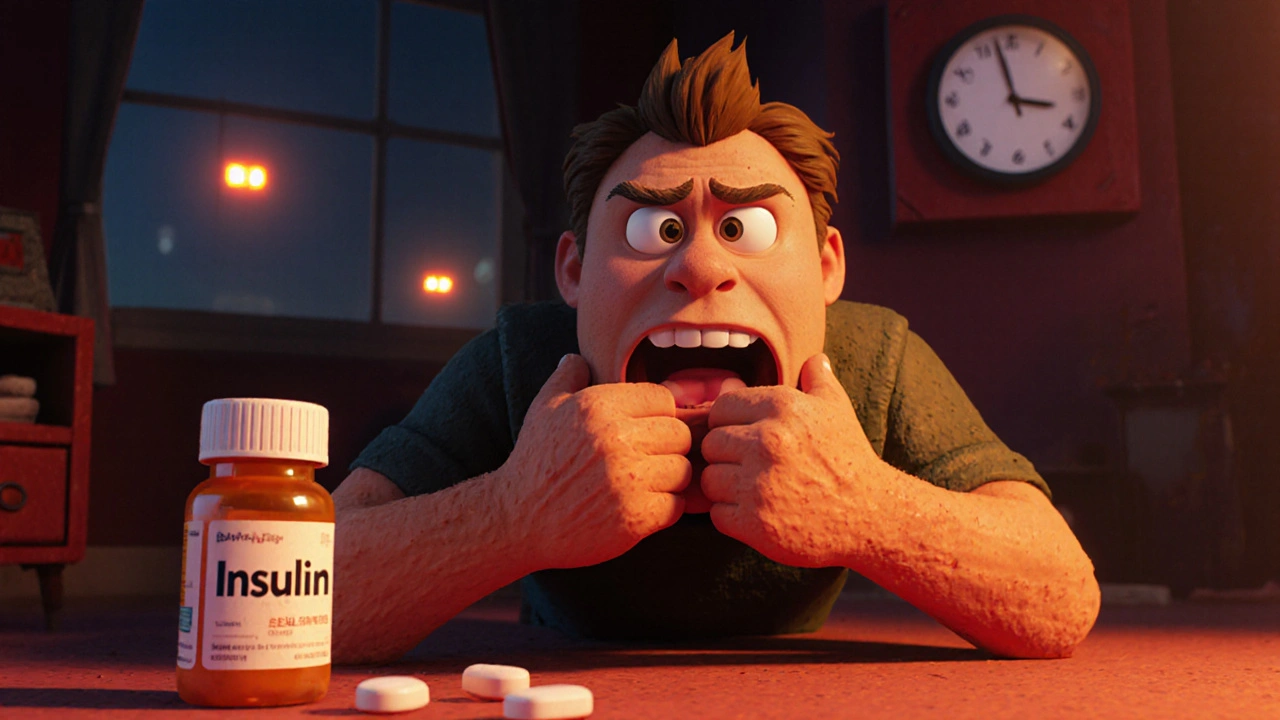
Severe Drug Reaction: Signs, Causes, and What to Do Next
When your body turns against a medicine you took for help, it’s not just a side effect—it’s a severe drug reaction, a dangerous immune or physiological response to a medication that can threaten life or cause lasting harm. Also known as drug hypersensitivity, it doesn’t always show up right away. Sometimes it takes days, even weeks, after you start a new pill, injection, or IV drip. This isn’t just a rash or upset stomach. It’s fever, blistering skin, swollen lymph nodes, organ trouble, or sudden breathing problems. And it’s more common than most people think.
Some reactions are tied to your genes. For example, if you carry certain variants in the CYP2C9, a liver enzyme gene that breaks down blood thinners like warfarin or CYP2C19, a gene that affects how antidepressants and anti-seizure meds are processed, your body might handle drugs dangerously slow—or too fast. That’s why a drug that works fine for one person can send another to the ER. Then there are reactions like Serum Sickness-Like Reaction, a delayed immune response often triggered by antibiotics like cefaclor, mimicking symptoms of a viral illness but caused by a medicine. It’s not an allergy in the classic sense, but it still needs stopping the drug and careful monitoring.
These reactions don’t happen randomly. They’re linked to specific drugs—antibiotics, anticonvulsants, painkillers, even some gout meds. And they’re more likely if you’ve had one before, if you’re on multiple drugs at once, or if you’re older or have a weakened immune system. The good news? Many of these reactions can be avoided if you know the warning signs. A fever that won’t quit after starting a new med. Blisters in your mouth or eyes. Skin peeling like a sunburn. Joint pain, swollen glands, or dark urine. These aren’t "just side effects." They’re red flags.
What you’ll find in the posts below isn’t just theory. It’s real cases: how a kid developed a skin rash after taking cefaclor and how doctors learned to spot it without banning all antibiotics. How genetic testing helped someone avoid a life-threatening reaction to warfarin. How families learned to track meds to catch early signs before hospitalization. You’ll see what drugs are most often linked to these reactions, how to tell them apart from infections or allergies, and what steps to take if you think you’re having one. No fluff. No jargon. Just what you need to recognize, respond to, and prevent a severe drug reaction before it’s too late.