Wrong Patient Errors: How Medication Mistakes Happen and How to Stop Them
When a patient gets the wrong drug, dose, or treatment because someone confused them with someone else, that’s a wrong patient error, a preventable mistake where healthcare staff administer treatment to the incorrect individual. These aren’t rare slips—they’re systemic failures that happen in hospitals, clinics, and even pharmacies, often with deadly results. Also known as patient misidentification, this kind of error is one of the top causes of preventable harm in modern medicine.
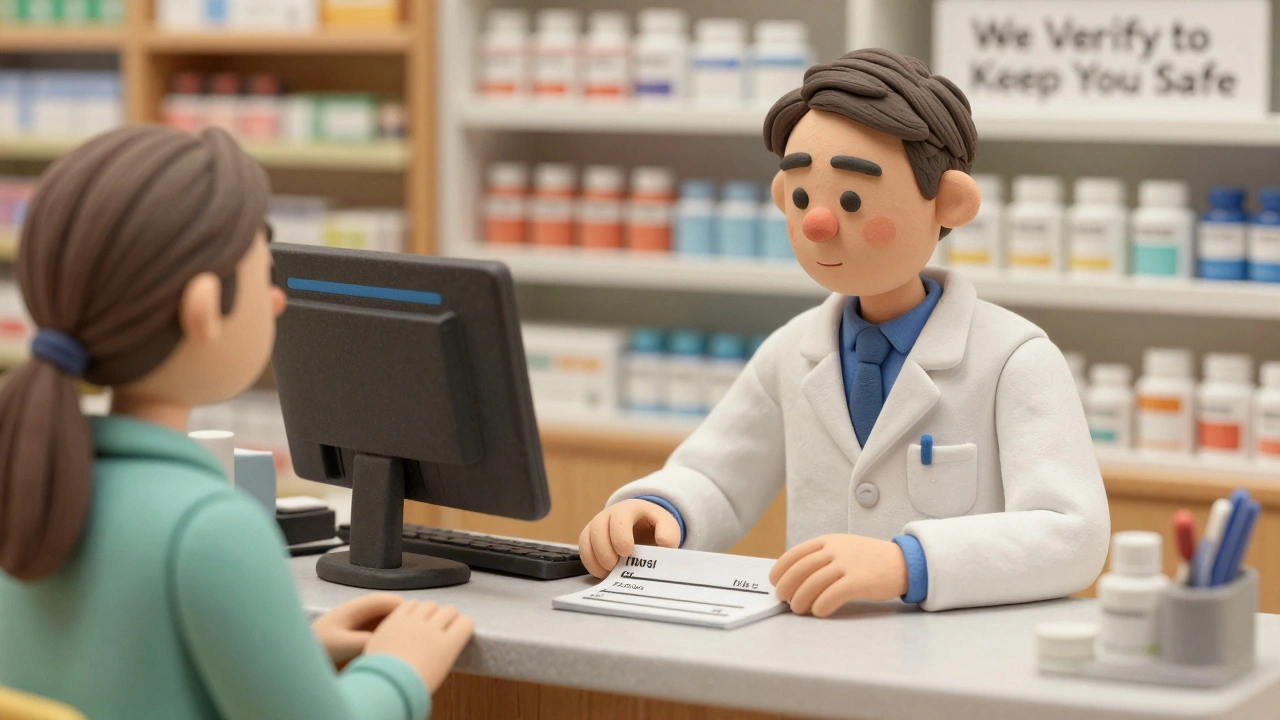
These mistakes don’t happen because someone’s careless—they happen because systems are broken. A patient named John Smith gets warfarin because the nurse pulled his chart instead of another John Smith in the next bed. Another gets insulin because the barcode on the vial didn’t match the electronic record. pharmacy workflow, the sequence of steps from prescription to delivery in a pharmacy is supposed to catch these, but if it relies on manual checks, it’s already too late. Modern tools like barcode scanning and EHR integration cut these errors by up to 80%, yet many places still use paper lists and verbal handoffs. And it’s not just about labels—it’s about patient identification, the process of verifying who a person is before giving them any treatment. A wristband with the wrong name, a duplicate record in the system, or a last name that sounds like another’s—any of these can trigger a cascade of harm.
Wrong patient errors aren’t just about giving the wrong pill. They’re about giving the wrong kind of treatment. Someone with renal artery stenosis gets ACE inhibitors because their chart was mixed up—and their kidneys fail overnight. A diabetic gets a high-dose insulin regimen meant for someone else, triggering severe hypoglycemia. A patient on immunosuppressants eats grapefruit because the dietary warning was attached to the wrong file. These aren’t hypotheticals—they’re documented cases tied directly to misidentified patients. Even something as simple as a medication review can go wrong if the wrong person’s history is pulled up. That’s why medication safety, the practice of ensuring drugs are used correctly and without harm isn’t just about checking doses—it’s about verifying identities at every step.
The good news? We know how to fix this. Systems that use two unique identifiers, real-time barcode verification, automated alerts for drug interactions, and caregiver checklists work. But they only work if they’re used consistently. And they only work if the people using them understand that a wrong patient error isn’t a "mistake"—it’s a system failure waiting to happen. What follows are real-world examples of how these errors occur, how they’re prevented, and what you can do to protect yourself or someone you care about. From how warfarin dosing goes wrong to how pharmacists use technology to stop mix-ups, you’ll see the hidden risks—and the real solutions—that most people never hear about.