Warfarin and CBD: What You Need to Know About the Interaction
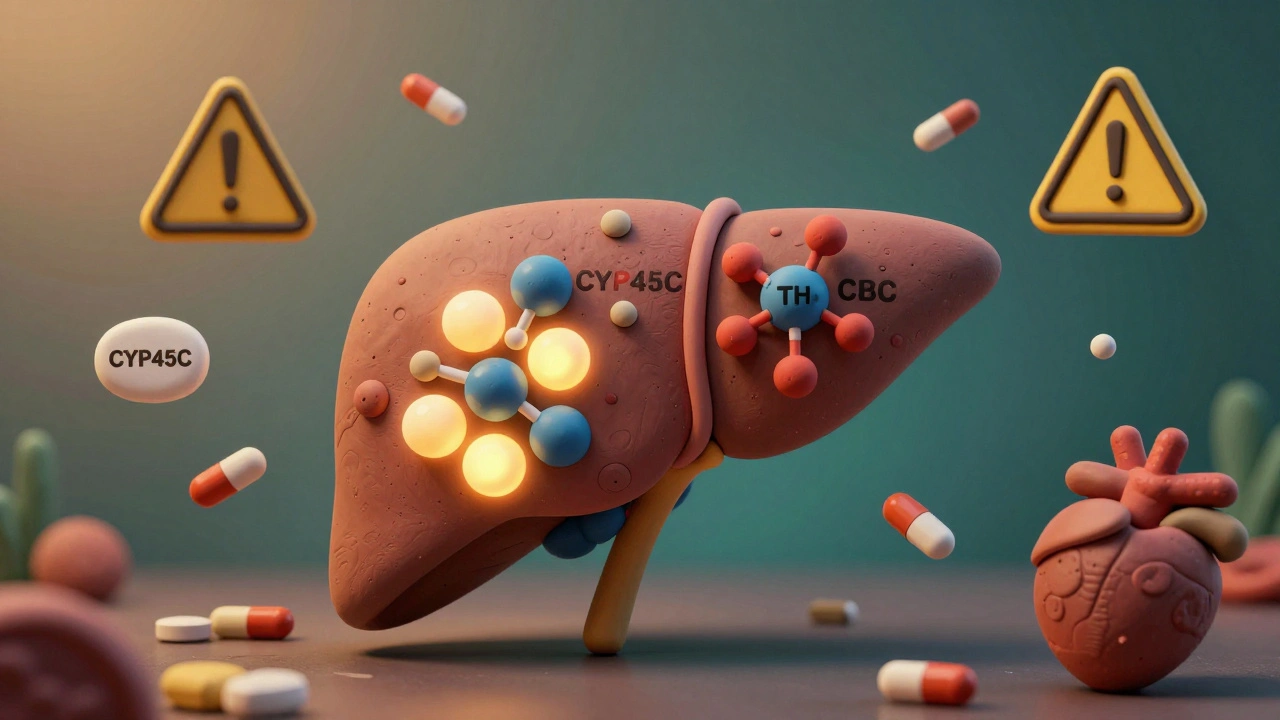
When you take warfarin, a blood thinner used to prevent dangerous clots in people with atrial fibrillation, artificial heart valves, or deep vein thrombosis. Also known as Coumadin, it works by blocking vitamin K, which your body needs to make clotting factors. Many people start using CBD, a non-intoxicating compound from cannabis, often for pain, anxiety, or sleep—but mixing it with warfarin can be risky. CBD blocks the same liver enzymes (CYP2C9 and CYP3A4) that break down warfarin. That means warfarin builds up in your blood, raising your INR and increasing your chance of serious bleeding—even if you’re taking the same dose you’ve been on for years.
This isn’t theoretical. Studies show CBD can raise warfarin levels by 30% or more. One patient on stable warfarin therapy started using CBD oil for chronic pain. Within two weeks, their INR jumped from 2.5 to 6.8. They ended up in the ER with a gastrointestinal bleed. It wasn’t an overdose. It was a hidden interaction. The same thing can happen with other anticoagulants, but warfarin is especially sensitive because it has a narrow therapeutic window. Even small changes in blood levels can tip you from safe to dangerous. And unlike newer blood thinners like apixaban or rivaroxaban, warfarin doesn’t have a reliable antidote that works instantly. Vitamin K helps, but it takes hours to kick in. If you’re on warfarin and thinking about CBD, talk to your doctor first. Don’t assume it’s "natural" so it’s safe.
What you’ll find in the posts below are real-world cases and clinical insights on how drugs like warfarin interact with supplements, foods, and other medications. You’ll see how genetic differences in CYP2C9 and VKORC1 affect warfarin dosing, why grapefruit can be just as dangerous as CBD, and how pharmacy systems are designed to catch these interactions before they hurt someone. These aren’t abstract theories—they’re stories of people who thought they were being careful, only to learn the hard way that what’s natural isn’t always safe when it meets your meds.