Tacrolimus: What It Is, How It Works, and What You Need to Know
When your body starts attacking a new organ or its own tissues, tacrolimus, a potent immunosuppressant drug used to prevent organ rejection and treat autoimmune conditions. Also known as FK506, it works by silencing the immune cells that trigger inflammation and damage. Unlike broad-spectrum steroids, tacrolimus targets specific pathways in T-cells—making it more precise, but also more sensitive to timing, dosage, and what else you’re taking.
Tacrolimus isn’t something you take casually. It’s most often prescribed after kidney, liver, or heart transplants, where even a small immune response can mean losing the new organ. But it’s also used for severe eczema, lupus, and rheumatoid arthritis when other treatments fail. The key? Keeping blood levels just right. Too low, and rejection kicks in. Too high, and you risk kidney damage, tremors, or even diabetes. That’s why regular blood tests aren’t optional—they’re life-saving.
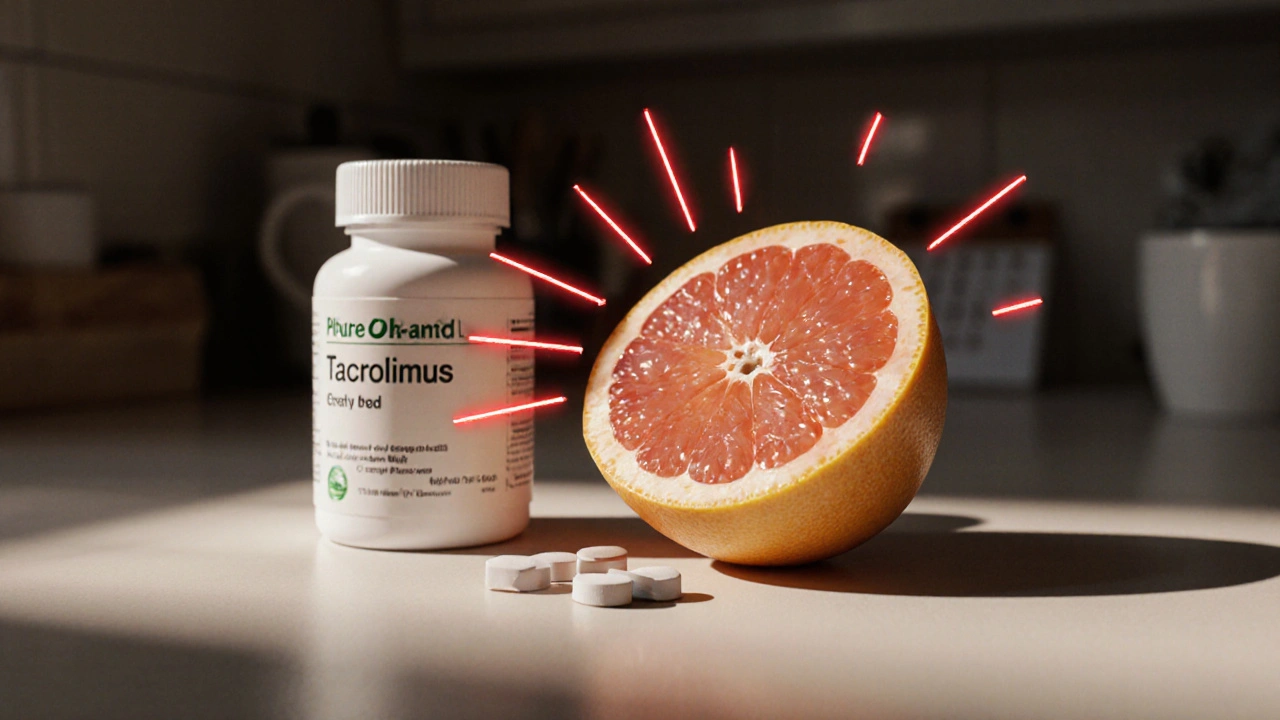
What most people don’t realize is that tacrolimus, has dozens of dangerous interactions with common medications and even foods. Grapefruit juice? Avoid it. Antibiotics like erythromycin? Can spike your tacrolimus levels dangerously. Even some herbal supplements like St. John’s wort can make it useless. It’s not just about the pill you swallow—it’s about everything else in your body at the same time. That’s why the posts below dive into real-world scenarios: how patients manage side effects, why some generics behave differently, how diet changes affect absorption, and what to ask your pharmacist before filling a new prescription.
You’ll find guides on how to track your levels, what to do when you miss a dose, how to recognize early signs of toxicity, and why some people need higher doses than others—even when they weigh the same. These aren’t theoretical discussions. They’re based on real cases, clinical data, and patient experiences. Whether you’re a transplant recipient, a caregiver, or someone managing a chronic autoimmune condition, the information here is meant to help you ask better questions, avoid dangerous mistakes, and understand what’s really happening inside your body.