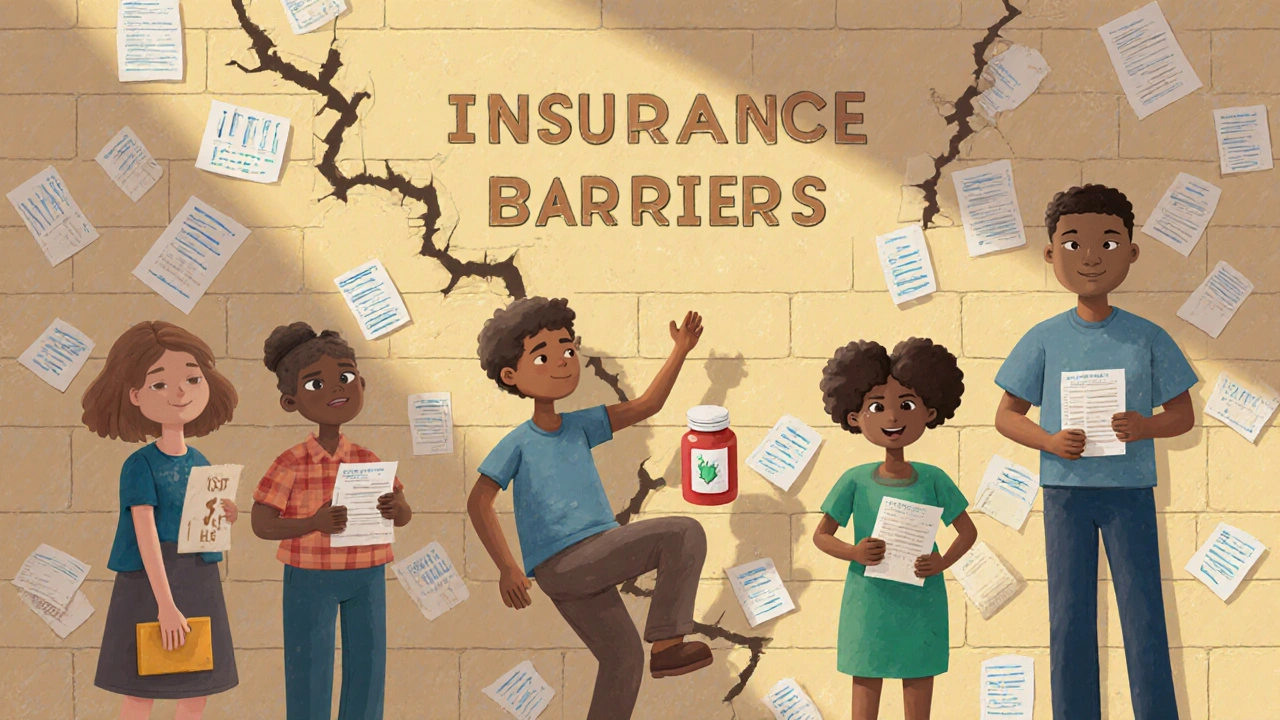
Patient Assistance Programs: How to Get Help Paying for Medications
When you need a drug to stay healthy but can’t afford it, patient assistance programs, free or low-cost medication support offered by drug manufacturers, nonprofits, and government agencies. Also known as pharmaceutical aid, these programs are designed to bridge the gap between what a prescription costs and what you can realistically pay. They’re not charity— they’re structured support systems built into the healthcare system to keep people on their meds, especially for chronic conditions like diabetes, heart disease, or depression.
These programs don’t just cover brand-name drugs. Many also include generic drugs, lower-cost versions of brand-name medications that are chemically identical and FDA-approved. If you’re taking a generic version of a drug like metformin or lisinopril, you might still qualify. Some programs even help with copays, shipping, or refills. You don’t need to be broke to qualify—many have income limits around 400% of the federal poverty level, which is higher than most people think. And you don’t need to be uninsured. Even people with Medicare Part D or private insurance can apply if their plan doesn’t cover the full cost.
It’s not just about money. These programs connect you with prescription help, resources that guide you through paperwork, eligibility checks, and pharmacy coordination. Think of them as a personal advocate inside the drug company’s system. They’ll tell you which forms to fill out, what documents to send, and how to avoid common mistakes that delay approval. Some even offer free delivery to your door, which matters if you can’t get to the pharmacy or don’t have reliable transportation.
There are no magic tricks. You won’t find a secret website that gives you free pills overnight. But you also don’t need to call 10 different places. Most major drugmakers—like Pfizer, Merck, and AbbVie—run their own programs, and sites like NeedyMeds and RxAssist compile them all in one place. You can check eligibility in minutes. If you’re taking a drug that costs over $50 a month, it’s worth a look. One person we talked to saved $1,200 a year on their blood thinner just by applying. Another got their insulin for $10 a month instead of $300.
These programs are especially critical for people managing long-term conditions. If you’re on warfarin, amitriptyline, or midodrine, missing a dose can lead to hospital visits—and those bills are way worse than the cost of the pill. Patient assistance programs aren’t about cutting corners. They’re about making sure your treatment plan stays on track, without you having to choose between food and your medication.
Below, you’ll find real guides on how to get help with specific drugs, how to navigate insurance gaps, and how to avoid scams that pretend to offer free prescriptions. These aren’t theory pieces—they’re step-by-step tools written by people who’ve been through it. Whether you’re helping yourself or someone else, the right program could make all the difference.