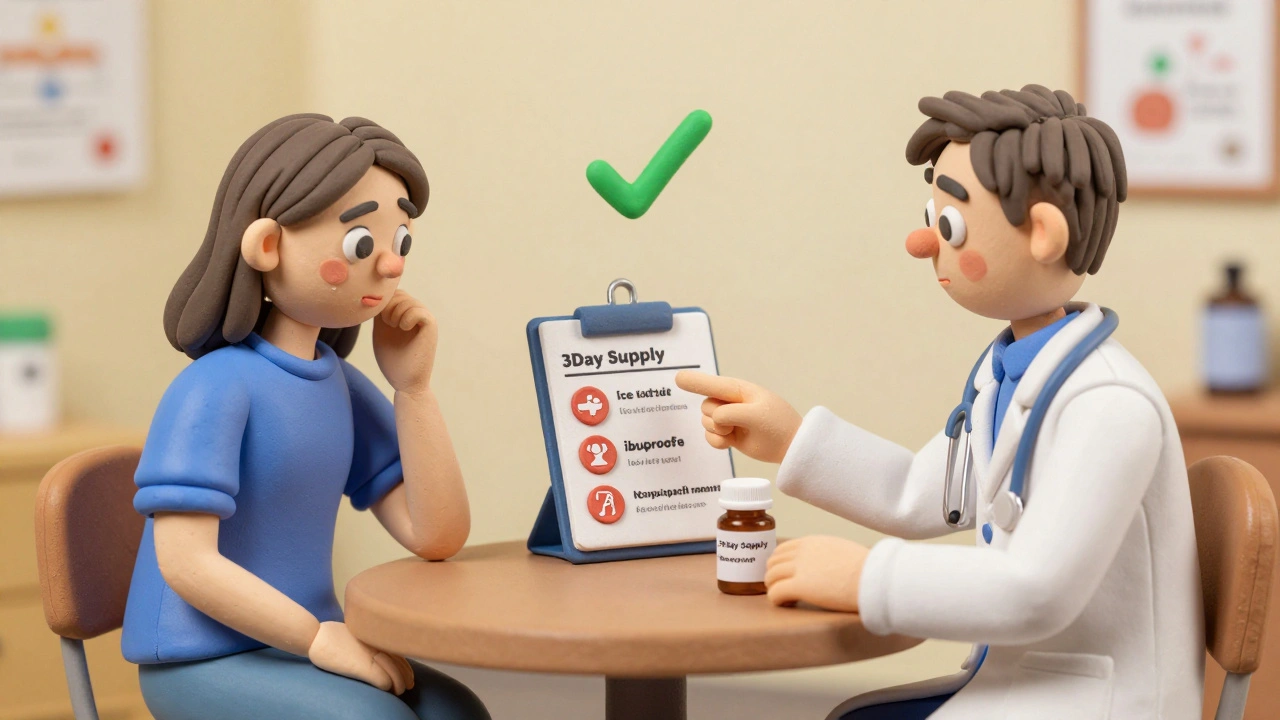
Opioid Safety: Protect Yourself from Overdose, Dependence, and Harm
When it comes to opioid safety, the practice of using prescription pain medications in a way that minimizes risk of addiction, overdose, and death. Also known as safe opioid use, it’s not about avoiding these drugs entirely—it’s about using them with awareness, planning, and support. Opioids like oxycodone, hydrocodone, and morphine work well for severe pain, but they carry real dangers that aren’t always obvious. Even people who take their meds exactly as prescribed can slip into dependence. And one wrong mix or one missed dose can lead to a life-threatening overdose.
Opioid overdose, a medical emergency caused by too much opioid suppressing breathing. Also known as respiratory depression from opioids, it happens faster than most people expect—sometimes in under 30 minutes. The good news? It’s preventable. Naloxone, a medication that reverses opioid overdose by blocking opioid receptors in the brain. Also known as Narcan, it’s available over the counter in many places and can bring someone back to life if given in time. Keeping naloxone at home isn’t just for people with addiction—it’s smart for anyone taking opioids long-term, or living with someone who is.
Many people don’t realize how easily opioids interact with other drugs. Mixing them with alcohol, benzodiazepines, or even some sleep aids can turn a safe dose into a deadly one. Even common OTC meds like cough syrups with dextromethorphan can add risk. Pain management, the strategy of controlling pain using the safest possible combination of medications and non-drug methods. Also known as multimodal pain control, it means asking your doctor: Can I use less opioid? Can I add physical therapy, nerve blocks, or anti-inflammatories instead? The goal isn’t to live without pain—it’s to live without risking your life for it.
There’s no shame in needing opioids for injury or surgery. But safety starts with questions: Who’s monitoring my use? Do I know the signs of dependence? Is naloxone nearby? Are my family members trained to respond? These aren’t hypotheticals—they’re real, everyday concerns backed by data from emergency rooms and public health agencies. People who talk openly about their opioid use with their doctors and loved ones are far less likely to end up in crisis.
Below, you’ll find real-world guides on how to handle opioids responsibly—from spotting early warning signs to understanding what to do when things go wrong. These aren’t theory pieces. They’re tools made by people who’ve seen the fallout—and who want to help you avoid it.