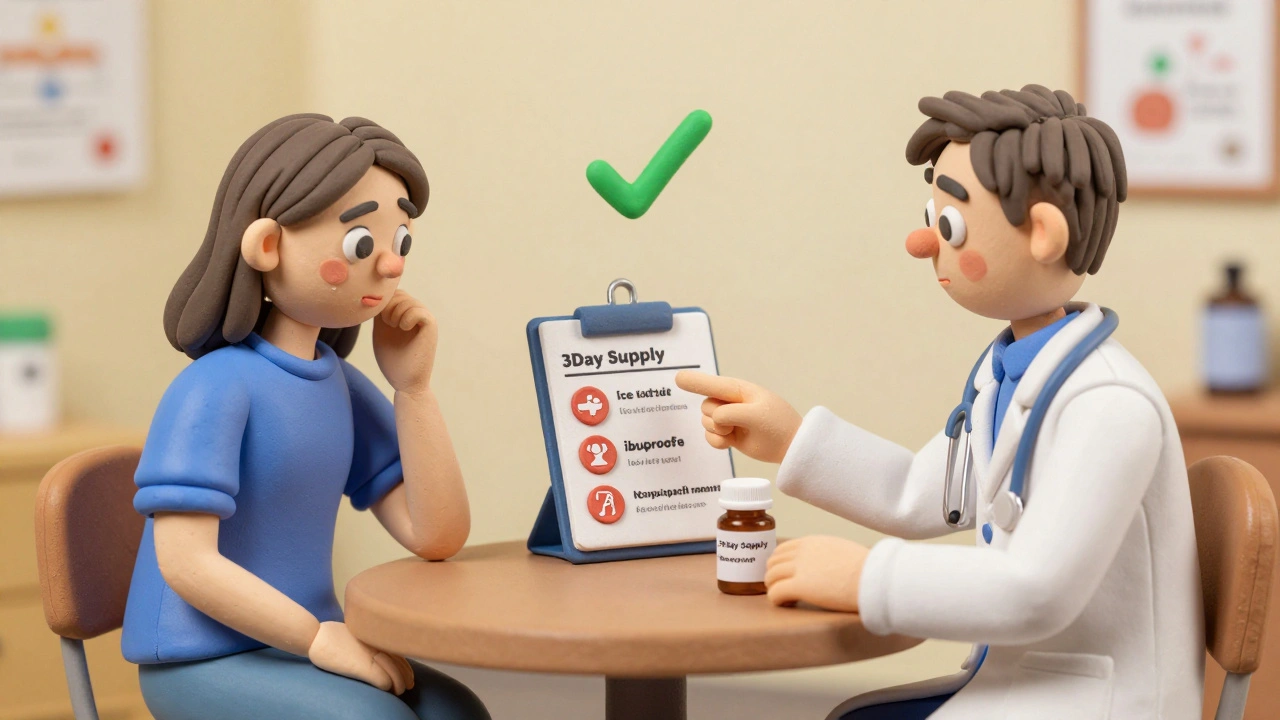
Opioid Risks: Understanding Addiction, Overdose, and Safe Use
When doctors prescribe opioids, powerful pain-relieving drugs that act on the brain’s reward system. Also known as narcotics, they can turn a short-term solution into a long-term crisis. Opioids like oxycodone, hydrocodone, and fentanyl are effective for severe pain, but they carry a high risk of dependence—even when taken exactly as directed. The body adapts quickly, and what starts as relief can become a need you can’t control.
One of the biggest dangers is opioid overdose, a medical emergency where breathing slows or stops due to drug suppression. It doesn’t always happen with street drugs. People on prescribed opioids can overdose if they take an extra pill, mix them with alcohol or sleep aids, or if their tolerance drops after a break. Naloxone, a life-saving drug that reverses opioid effects in minutes. is now available without a prescription in many places—it’s not a cure, but it buys time until help arrives.
Then there’s opioid addiction, a brain disorder where cravings override logic, even when harm is clear. It’s not a moral failure. It’s a physical rewiring. People who use opioids long-term often develop tolerance, needing more just to feel normal. Withdrawal symptoms—nausea, muscle pain, anxiety—can be so intense that users keep taking the drug just to avoid feeling sick. That’s how dependence turns into addiction.
Not everyone who takes opioids gets addicted, but risk factors are real. Older adults, people with a history of substance use, those with untreated mental health conditions, and individuals on high doses for more than a few weeks are more vulnerable. Even short-term use after surgery or injury can set the stage. That’s why doctors now avoid opioids for routine back pain, headaches, or dental work unless absolutely necessary.
Safe use means more than following the label. It means knowing the signs of trouble: sleeping more than usual, slurred speech, confusion, or losing interest in things you used to enjoy. It means never sharing pills, storing them locked up, and disposing of leftovers properly. It also means talking to your doctor about alternatives—physical therapy, NSAIDs, nerve blocks, or even cognitive behavioral therapy—for long-term pain.
What you’ll find here isn’t just warnings. It’s real stories from people who’ve been there, clear explanations of how these drugs work in the body, and practical advice on how to protect yourself or someone you care about. You’ll see how opioid risks show up in everyday prescriptions, why some people are more at risk than others, and what tools exist to prevent disaster before it happens. This isn’t about fear—it’s about awareness. And awareness saves lives.