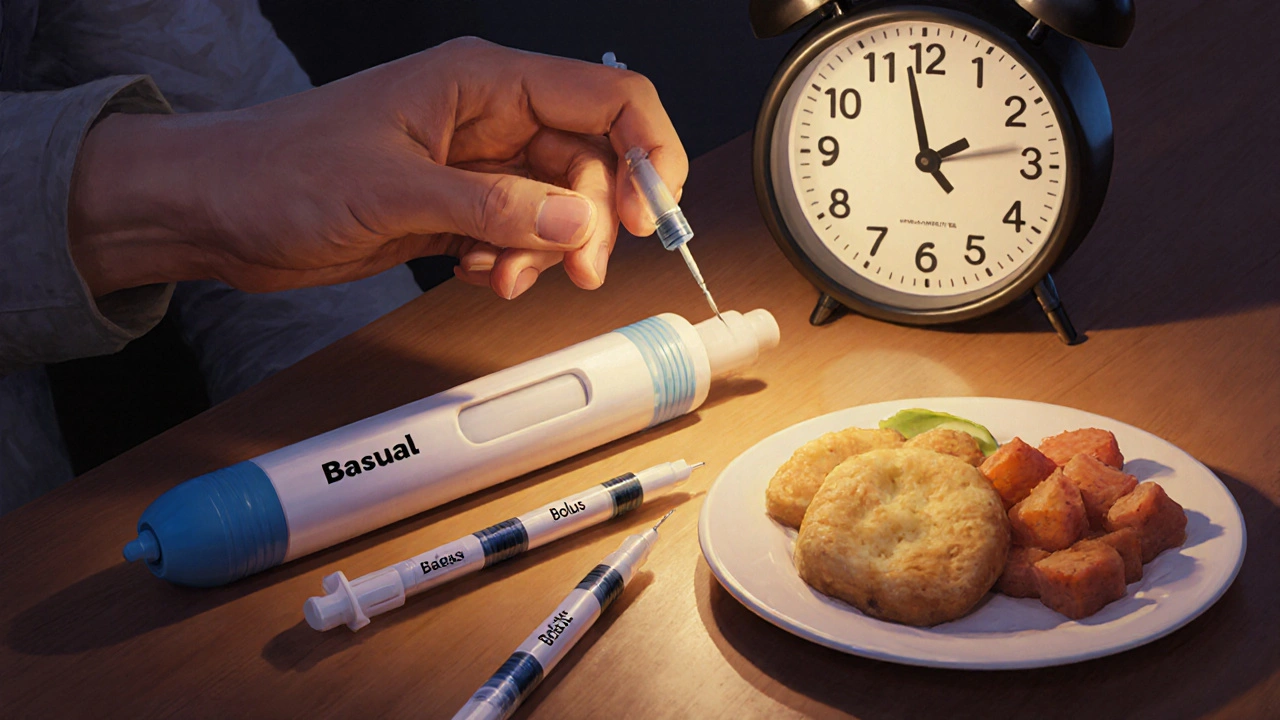
Insulin Side Effects: What You Need to Know Before Taking It
When you take insulin, a hormone used to control blood sugar in people with diabetes. Also known as diabetes medication, it’s one of the most common treatments for type 1 and type 2 diabetes—but it’s not without risks. Insulin works by helping your body absorb glucose from the blood, but if the dose is too high or you skip a meal, your blood sugar can drop dangerously low. This is called hypoglycemia, a condition where blood sugar falls below 70 mg/dL. It’s the most frequent and serious insulin side effect. Symptoms include shaking, sweating, confusion, dizziness, and in severe cases, seizures or loss of consciousness. You need to carry fast-acting sugar—like glucose tablets or juice—every time you take insulin.
Another common issue is weight gain, a side effect linked to insulin’s role in storing excess glucose as fat. Many people see a 2-5 pound increase in the first few months, especially if they were previously high on blood sugar and their body starts holding onto calories again. It’s not inevitable, but it’s common enough that your doctor should talk to you about diet and activity when starting insulin. Some people also report injection site reactions—redness, swelling, or lumps under the skin. Rotating injection spots helps, but if it keeps happening, your insulin type or delivery method might need adjusting.
Less common but more dangerous are allergic reactions, rare immune responses to insulin or its additives. These can cause hives, swelling, trouble breathing, or even anaphylaxis. While modern human insulin formulations are much safer than older animal-based ones, any new rash or breathing issue after an injection should be checked right away. Some people also experience fluid retention or swelling in the ankles, especially when starting insulin after long-term high blood sugar. That usually clears up in a few weeks.
What you won’t find in most brochures is how insulin interacts with other meds. Things like beta-blockers can hide the warning signs of low blood sugar. Steroids, antidepressants, and even some cold medicines can raise your blood sugar and make insulin less effective. And if you’re on a low-carb diet or doing intense workouts, your insulin needs can change overnight.
There’s no one-size-fits-all insulin plan. Your dose, timing, and type—whether it’s rapid-acting, long-acting, or a mix—depend on your lifestyle, diet, and how your body responds. That’s why tracking your blood sugar, meals, and symptoms matters more than just taking the pill. The posts below cover real-world stories and science on how insulin affects people differently, how to spot hidden dangers, what to do when side effects strike, and how to talk to your doctor about adjusting your plan without risking your health.