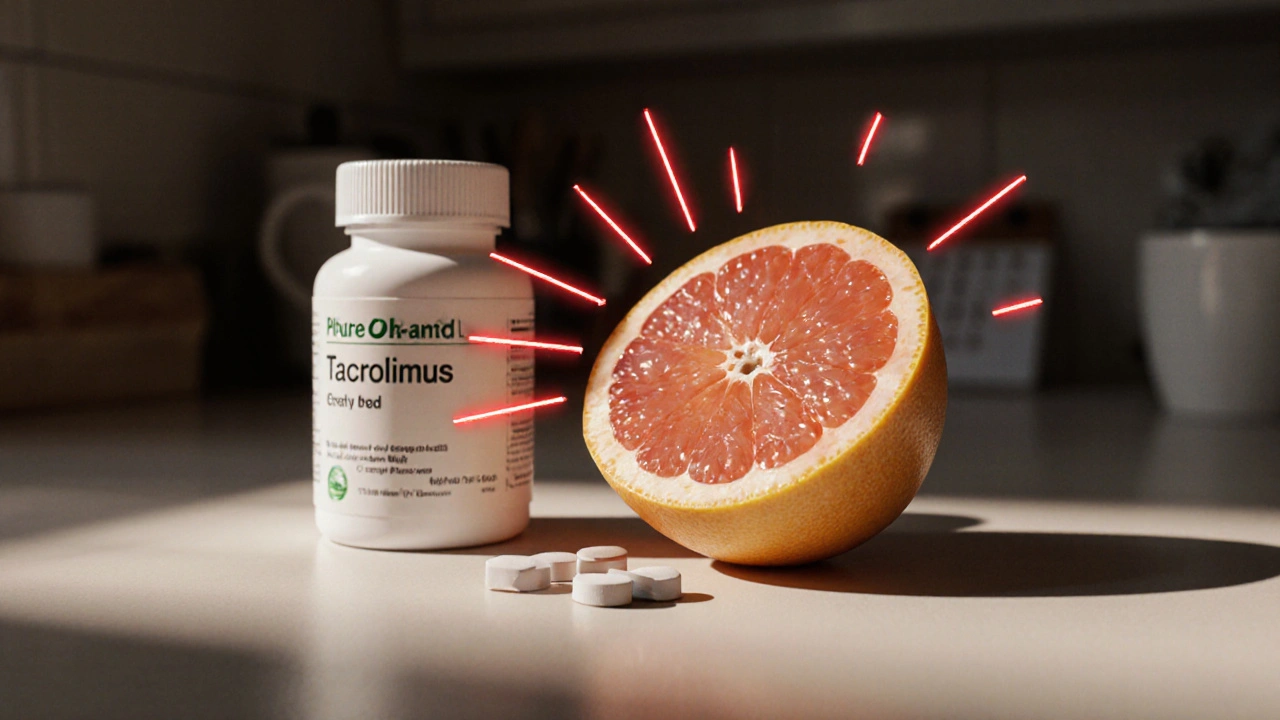
Drug-Food Interactions: What You Need to Know Before Eating with Your Meds
When you take a pill, it doesn’t just disappear into your system—it fights its way through your stomach, liver, and bloodstream, and what you eat can change the whole battle. Drug-food interactions, happen when the food or drink you consume changes how your body absorbs, breaks down, or uses a medication. Also known as food-drug interactions, these aren’t just minor annoyances—they can turn a safe dose into a dangerous one, or make your medicine completely useless. Think of it like this: if your drug is a key, food can be the lock changing shape while you’re trying to turn it.
Some grapefruit, a common fruit that blocks liver enzymes responsible for breaking down dozens of drugs can cause statins, blood pressure meds, and even some anti-anxiety pills to build up to toxic levels. Others, like levodopa, the main treatment for Parkinson’s, get blocked by high-protein meals—so eating steak at dinner can make your morning dose fail by afternoon. Even something as simple as calcium-rich foods, like dairy or fortified orange juice, can stop antibiotics like tetracycline from being absorbed, turning your prescription into a very expensive glass of milk.
It’s not just about what you eat—it’s when and how. Some drugs need food to protect your stomach, like NSAIDs or certain antibiotics. Others must be taken on an empty stomach because food slows them down too much. And supplements? Quercetin, a popular antioxidant found in apples and onions, can interfere with how your liver processes meds, just like grapefruit does. These aren’t rare edge cases—they show up in real people every day, causing hospital visits, failed treatments, and unexpected side effects.
There’s no one-size-fits-all rule. A pill that’s fine with breakfast might be risky with dinner. A vitamin that helps one person could hurt another on blood thinners. That’s why knowing your own meds and habits matters more than any general advice. The posts below break down exactly how these interactions play out in real life: why warfarin needs stable vitamin K intake, why proton pump inhibitors can mess with heart meds, how lithium levels shift with salt and hydration, and why you shouldn’t take your thyroid pill with coffee or fiber cereal. You’ll find practical guides on timing meals, spotting hidden interactions in supplements, and what to ask your pharmacist when they hand you a new script. This isn’t theory—it’s what happens when pills meet plates, and you need to know how to win that fight.