Cannabis Drug Interactions: What You Need to Know Before Mixing with Medications
When you use cannabis, a plant-based substance containing THC and CBD that affects the body’s endocannabinoid system. Also known as marijuana or weed, it’s used for pain, anxiety, sleep, and more—but it doesn’t play nice with every medication. The real risk isn’t just feeling high. It’s that cannabis can change how your body processes prescription drugs, turning safe doses into dangerous ones.
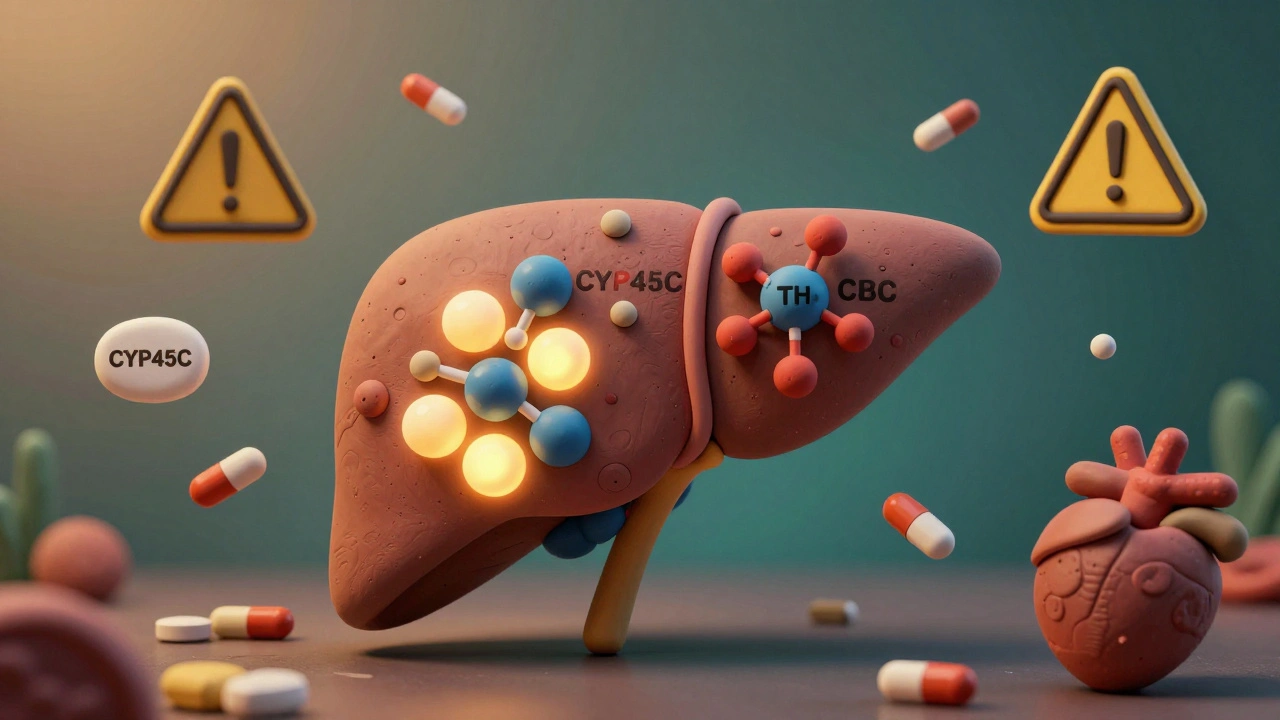
Two key compounds in cannabis—CBD, a non-intoxicating compound that strongly affects liver enzymes and THC, the psychoactive component that alters heart rate and blood pressure—both interfere with the CYP450 enzyme system. This is the same system your liver uses to break down over 60% of all prescription drugs. If CBD blocks these enzymes, drugs like warfarin, clopidogrel, SSRIs, and statins can build up to toxic levels. That’s not theory—it’s why people end up in the ER with bleeding, dizziness, or liver stress. Even if you take cannabis as a gummy or oil, it still hits your liver the same way.
It’s not just about liver enzymes. Cannabis can also lower blood pressure. If you’re on ACE inhibitors, medications used to treat high blood pressure and kidney disease, combining them with cannabis can make you dizzy or faint. Same goes for sedatives, like benzodiazepines or sleep aids—cannabis multiplies their effects, increasing the risk of breathing problems. And if you’re on immunosuppressants, drugs like cyclosporine that prevent organ rejection, cannabis can push those levels too high, raising your risk of kidney damage or infection.
Some people think, "I’m just using it for sleep," or "It’s natural, so it’s safe." But natural doesn’t mean harmless. Just like grapefruit can wreck your cholesterol meds, cannabis can wreck your other prescriptions. And unlike grapefruit, most doctors don’t ask about it. You have to speak up. If you’re taking any medication—even over-the-counter ones—and you use cannabis, you’re playing with fire. The good news? You don’t have to quit. You just need to know which combinations are risky, how to spot early warning signs, and when to talk to your pharmacist.
Below, you’ll find real-world examples of how cannabis messes with common drugs, what symptoms to watch for, and how to stay safe without giving up what helps you feel better. No fluff. No guesswork. Just what you need to know before your next dose.