

High blood pressure is often called the "silent killer" because it rarely shows obvious symptoms until damage has already occurred. If you have been diagnosed with hypertension, your doctor likely prescribed one of several types of blood pressure medications. But which one is right for you? And what should you watch out for in terms of side effects and safety?
This guide breaks down the main classes of antihypertensive drugs, how they work, their common side effects, and practical safety tips to help you manage your condition effectively. Whether you are just starting treatment or looking to understand your current regimen better, this information will help you make informed decisions alongside your healthcare provider.
Key Takeaways
- Antihypertensive medications treat high blood pressure by targeting different physiological pathways, such as reducing blood volume or relaxing blood vessels.
- The four first-line drug classes are thiazide diuretics, calcium channel blockers, ACE inhibitors, and ARBs.
- Side effects vary significantly by class; for example, ACE inhibitors often cause a dry cough, while beta-blockers can lead to fatigue.
- Safety requires monitoring for drug interactions, especially with NSAIDs, and adjusting doses for elderly patients or those with kidney issues.
- About 70% of patients need two or more medications to reach target blood pressure levels.
Understanding the Main Classes of Blood Pressure Drugs
Doctors choose specific medications based on your age, ethnicity, other health conditions, and potential side effects. Here are the primary categories you might encounter:
Diuretics (Water Pills)
Thiazide diuretics, like hydrochlorothiazide, are often the first prescription given. They work by helping your kidneys remove excess sodium and water from your body. This reduces the total volume of blood circulating, which lowers pressure on your artery walls. While effective, they can increase urination frequency and may lower potassium levels if not monitored.
ACE Inhibitors and ARBs
ACE inhibitors (like lisinopril) block an enzyme that causes blood vessels to tighten. ARBs (like losartan) do something similar but work directly on the receptors. The key difference? ACE inhibitors often cause a persistent dry cough in 10-20% of users, whereas ARBs usually avoid this issue. Both classes are excellent for protecting the kidneys, especially in people with diabetes.
Calcium Channel Blockers
Calcium channel blockers prevent calcium from entering the muscle cells of your heart and arteries. This allows blood vessels to relax. Amlodipine is a very common example. These drugs are particularly useful for older adults and Black patients, who may respond less well to other first-line options. Watch out for swelling in the ankles (peripheral edema) and flushing.
Beta-Blockers
Beta-blockers, such as metoprolol, slow your heart rate and reduce the force of contraction. They are no longer the first choice for everyone but remain critical for patients who have had a heart attack or have heart failure. Common side effects include tiredness, cold hands and feet, and sleep disturbances.

Common Side Effects and How to Manage Them
No medication is without risk, but most side effects are manageable. Knowing what to expect can prevent unnecessary panic or discontinuation of therapy.
| Drug Class | Most Common Side Effect | Less Common/Serious Risks |
|---|---|---|
| Diuretics | Frequent urination | Low potassium, gout flare-ups |
| ACE Inhibitors | Dry cough | Angioedema (swelling), high potassium |
| ARBs | Dizziness | High potassium, kidney function changes |
| Calcium Channel Blockers | Ankle swelling, flushing | Gum overgrowth, constipation (verapamil) |
| Beta-Blockers | Fatigue, cold extremities | Masking low blood sugar symptoms in diabetics |
If you experience a mild side effect, don't stop taking your medication abruptly. Instead, talk to your doctor. For instance, if an ACE inhibitor gives you a cough, switching to an ARB is a standard and effective solution. However, if you notice sudden swelling of the face or throat, seek immediate medical attention, as this could be angioedema.
Safety Considerations and Drug Interactions
Safety isn't just about side effects; it's about how these drugs interact with your life and other medicines.
The NSAID Trap
Many people take over-the-counter pain relievers like ibuprofen or naproxen regularly. Be careful: combining NSAIDs with ACE inhibitors or ARBs can strain your kidneys and reduce the effectiveness of your blood pressure medication. If you need pain relief, ask your pharmacist if acetaminophen is a safer alternative for you.
Pregnancy and Special Populations
If you are pregnant or planning to conceive, tell your doctor immediately. ACE inhibitors and ARBs are generally contraindicated during pregnancy due to risks to fetal development. Safer alternatives, such as methyldopa or labetalol, are available. For elderly patients, doctors often start with lower doses because aging bodies process medications differently, increasing the risk of dizziness when standing up (orthostatic hypotension).
Lifestyle Factors
Medication works best when paired with healthy habits. Reducing sodium intake, exercising regularly, and limiting alcohol consumption can allow you to use lower doses of medication, thereby minimizing side effects. Remember, hypertension is asymptomatic, so you won't feel "better" just because your numbers drop-you have to trust the data.
Monitoring Your Progress and Adherence
Consistency is key. Studies show that about 50% of patients stop taking their blood pressure meds within a year, often because they feel fine. This is dangerous. Uncontrolled hypertension silently damages arteries, leading to heart attacks, strokes, and kidney disease.
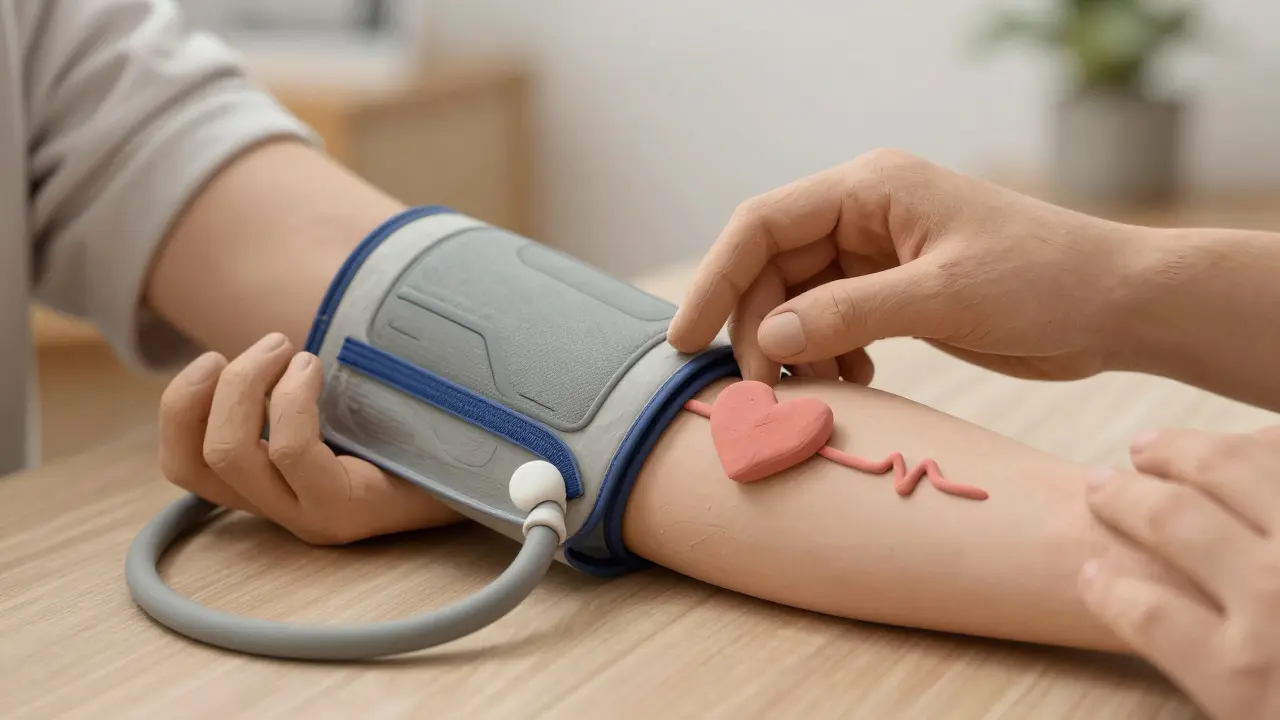
- Check your BP at home: Use a validated cuff and record readings twice daily. Bring this log to your appointments.
- Follow-up timing: Expect to see your doctor 2-4 weeks after starting or changing medication to assess efficacy and tolerance.
- Blood tests: Regular checks for kidney function and electrolytes (especially potassium) are standard when using diuretics, ACE inhibitors, or ARBs.
- Combination therapy: Don't be surprised if you end up on two or three pills. It’s common and often necessary to hit target levels safely.
Frequently Asked Questions
Can I switch my blood pressure medication if I have side effects?
Yes, in many cases. For example, if an ACE inhibitor causes a chronic cough, doctors frequently switch patients to an ARB, which offers similar benefits without the cough. Always consult your provider before making changes to ensure a smooth transition and continued protection.
Do I need to take blood pressure medication forever?
For most people with essential hypertension, yes. High blood pressure is a chronic condition. Even if your lifestyle improves and your numbers normalize, stopping medication without medical supervision can cause a rebound effect. Some patients may eventually reduce their dose under strict monitoring, but complete cessation is rare.
Is it safe to take blood pressure medication with coffee?
Generally, moderate caffeine intake is fine, but caffeine can temporarily raise blood pressure. If you are sensitive to caffeine, try to limit your intake or monitor your BP after drinking coffee to see if there is a significant spike. Consistency in your routine helps provide accurate readings.
What is the best time of day to take my medication?
It depends on the specific drug. Some are recommended in the morning to align with peak blood pressure times, while others might be taken at night if they cause drowsiness. Follow your prescription label or ask your pharmacist. The most important thing is to take it at the same time every day to maintain stable levels.
Why do calcium channel blockers cause swollen ankles?
These drugs dilate blood vessels, including the small capillaries in your legs. This increased pressure can push fluid into the surrounding tissue, causing swelling (edema). It is a known side effect that doesn't necessarily mean the drug is failing. Sometimes adding a diuretic helps resolve this issue.
