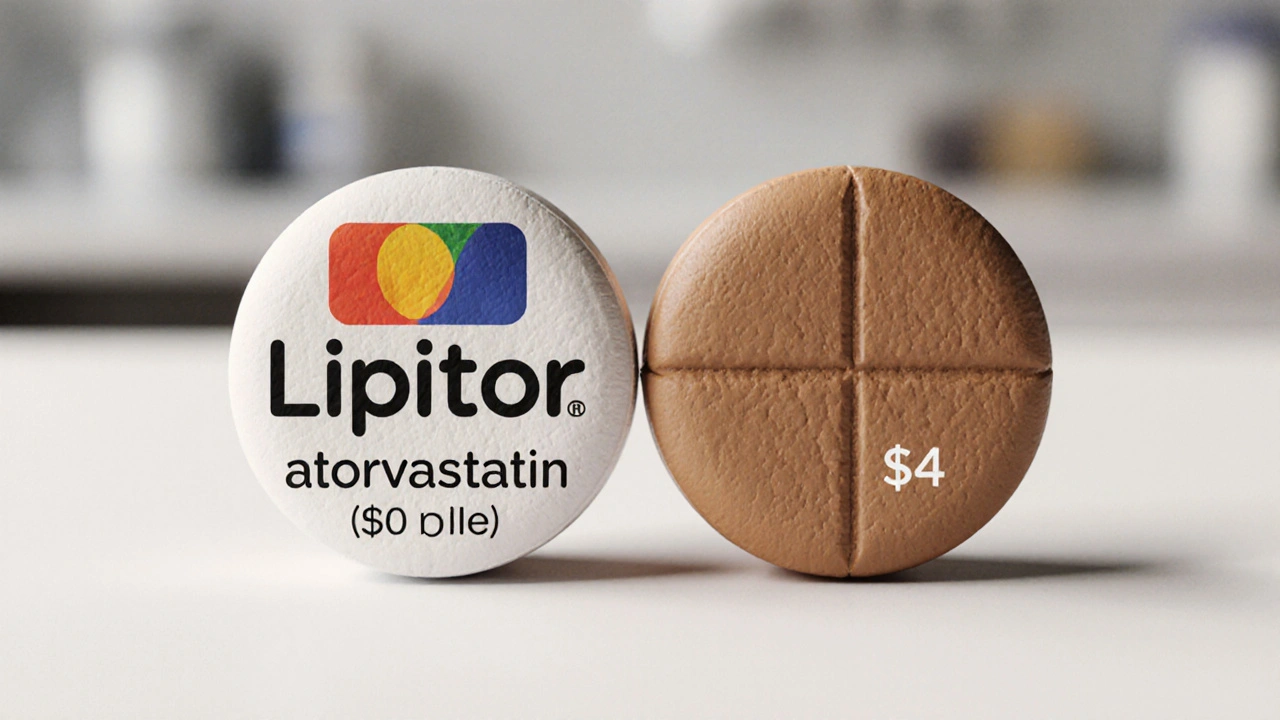
Therapeutic Equivalence: What It Means and Why It Matters for Your Medications
When you pick up a generic pill and wonder if it’s really the same as the brand-name one, you’re thinking about therapeutic equivalence, the official standard that says two drugs produce the same clinical effect and safety profile in patients. Also known as bioequivalence, it’s the invisible rule that lets pharmacies swap your expensive brand drug for a cheaper generic without asking your doctor. This isn’t just paperwork—it’s about whether your blood pressure stays steady, your depression stays under control, or your infection clears up without a hitch.
Behind every approved generic drug is a mountain of testing. The FDA, the U.S. agency that regulates drugs and ensures they’re safe and effective doesn’t just check if the ingredients match. They look at how fast the drug enters your bloodstream, how long it stays there, and whether it delivers the same result in real people. If a generic passes this test, it’s labeled as AB-rated—meaning it’s considered interchangeable. But not all generics are equal. Some drugs, like warfarin or thyroid meds, need extra care because tiny differences can cause big problems. That’s why genetic testing for CYP2C9, a liver enzyme that breaks down many medications, including warfarin and other drugs, matters so much. Even if two pills are therapeutically equivalent on paper, your body might handle them differently.
Manufacturing changes can break therapeutic equivalence. A shift in the pill’s coating, the filler, or even the factory where it’s made can alter how your body absorbs the drug. That’s why the ANDA, the application generic drug makers submit to the FDA for approval isn’t a one-time deal. Companies must report every change, and the FDA can demand new tests. That’s why some people notice differences when their generic switches brands—even if the name on the bottle is the same. It’s not in your head. It’s in the chemistry.
Therapeutic equivalence isn’t just about saving money. It’s about trust. When you rely on a drug to keep you alive or functional, you need to know that tomorrow’s pill will work like today’s. That’s why the posts below cover everything from how drug companies handle manufacturing changes, to why some people have bad reactions to generics, to how genetic testing helps fine-tune dosing for drugs like warfarin and SSRIs. You’ll find real-world examples of when substitution works perfectly—and when it doesn’t. Whether you’re managing chronic illness, helping a loved one with their meds, or just trying to cut costs without risking your health, this collection gives you the facts you need to make smart choices.